

How the Algeria 2027 Finance Bill Drives Growth with Wage Increases and Railway Spending
-
The Arab Post
- . October 5, 2026
- . Update: October 5, 2026 5:08 pm
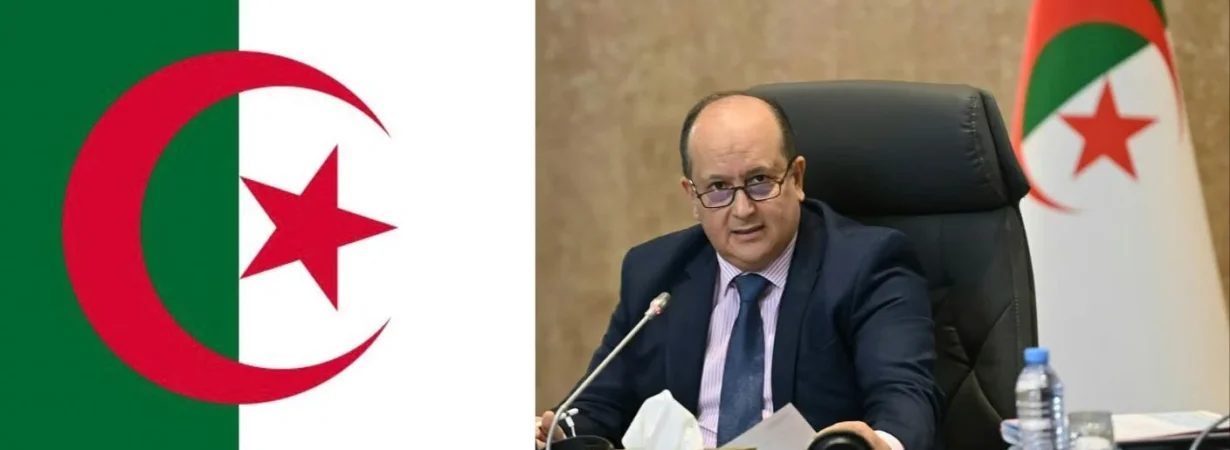
Algeria’s economic blueprint for the upcoming year is now published. The Algeria 2027 Finance Bill, just approved, makes the North African country more determined than ever to put in place social security and substantial infrastructure upgrades. The government is focusing on significant wage hikes in Algeria, as well as on record Algerian railway investments, in order to boost domestic consumption and revamp its logistics infrastructure. The understanding of this new fiscal blueprint is fundamental to Algerian economy to be understood by citizens, local businesses, and foreign investors alike.
Key Pillars of the Algeria 2027 Finance Bill
The Algeria 2027 Finance Bill is one of the most ambitious budgets in recent history, as it attempts to balance between supporting the social and economic sectors and fostering growth. It is based on the country’s solid foreign exchange reserves and stable energy revenues to finance key domestic projects, rather than borrowing funds.
Boosting Purchasing Power Through Algeria Wage Increases
The worldwide inflation has put a strain on household budgets everywhere, and the Algerian government is taking inflation head-on. The Algerian Ministry of Finance said a big chunk of the new budget goes towards the public sector salaries and strengthening pension payments.
The wage hikes in Algeria are part of President Abdelmadjid Tebboune’s promise to safeguard the purchasing power of the working class. The state is also hoping for increased local demand following increased spending by those on the front lines of providing services to the public, such as civil servants, teachers, and health care providers, in the form of increased spending by small and medium-sized enterprises (SMEs).
Transforming Logistics with Algerian Railway Spending
The social spending in Algeria constitutes the social safety net, and infrastructure constitutes the backbone of future growth. Algeria has allocated more than ever before on the budget for its railways.
According to the Algeria Press Service (APS) the money will help to speed up completion of mega-projects such as the strategic rail lines linking the mineral-rich southern regions with the northern coastal ports, the giant Gara Djebilet iron ore mine among them. This will dramatically cut down on freight costs, ease congestion on the roads and make the nation a key hub of the continent’s trade with Africa and the Mediterranean.
Impact on the Broader Algerian Economy
The combined efforts of earning income and executing capital projects have a significant multiplier effect. Algeria’s resilience is regularly put under emphasis by the World Bank in the economic outlook of the country as a focus on non-hydrocarbon growth is necessary for the country’s longer-term resilience. This goal is directly realised in the Algeria 2027 Finance Bill through the strategic development of infrastructure.
The expected results are:
- Massive Job Creation: The boom in railway investments in Algeria will create dozens of thousands of engineering, construction, and maintenance jobs.
- Economic Diversification: Rail lines are more efficient for transporting agricultural products and raw minerals, reducing the reliance on oil and gas that has been the case in the past.
- Regional Integration: Africa’s Trans-Saharan corridors are dependent on improved rail transportation, according to the African Development Bank.
To receive the latest official information and announcements made by the Algerian Government on the national development policies, click the Algerian Ministry of Foreign Affairs and National Community Abroad:
Meanwhile, Reuters Africa reports now that Algeria’s fiscal restraint, which has kept it from taking on foreign loans, has enabled the government to have the sovereign freedom to pursue its ambitious domestic policies.
Approval of Algeria 2027 Finance Bill is a clear indication of government’s intentions. The country is creating a very robust economic system by simultaneously safeguarding citizens with targeted wage increases and preparing it for industrial growth with huge investments in its railway system in Algeria. This will no doubt help to speed up the diversification and modernization of the Algerian economy as these policies are implemented across 2027.
FAQs
What is the primary focus of the Algeria 2027 Finance Bill?
The Algeria 2027 Finance Bill aims to achieve two primary objectives: to enhance citizens’ standard of living via scheduled increases in their salaries and to invest heavily in public infrastructure projects, mainly through increased spending on Algerian railway services.
Who benefits from the Algeria wage increases?
Algeria wage hikes will directly impact millions of public employees comprising civil administration staff, doctors, teachers, and former public servants.
Why is Algerian railway spending so important to the economy?
Substantial investment in railway infrastructure is key to moving raw materials from southern mines to northern ports effectively.
Discover More Insights
Explore Cairo inflation middle class impact?
Discover how rising prices are affecting savings and daily life.
Check Algeria power plant deadline extension?
Explore updates on the 1.2GW energy project timeline.
Discover Turkey new electricity tariff changes?
Check how updated pricing will impact households and businesses.
Explore Qatar initiative boosting Syria power?
Discover efforts aimed at strengthening Syria’s electricity generation.
Check Beirut balcony lighting energy tips?
Explore efficient lighting ideas for Ramadan and beyond.