

Amman Border Security Push: Can Iraq, Jordan, Syria, and Kurdistan Build a Stronger Regional Defense Network?
-
The Arab Post
- . August 12, 2026
- . Update: August 12, 2026 7:49 pm
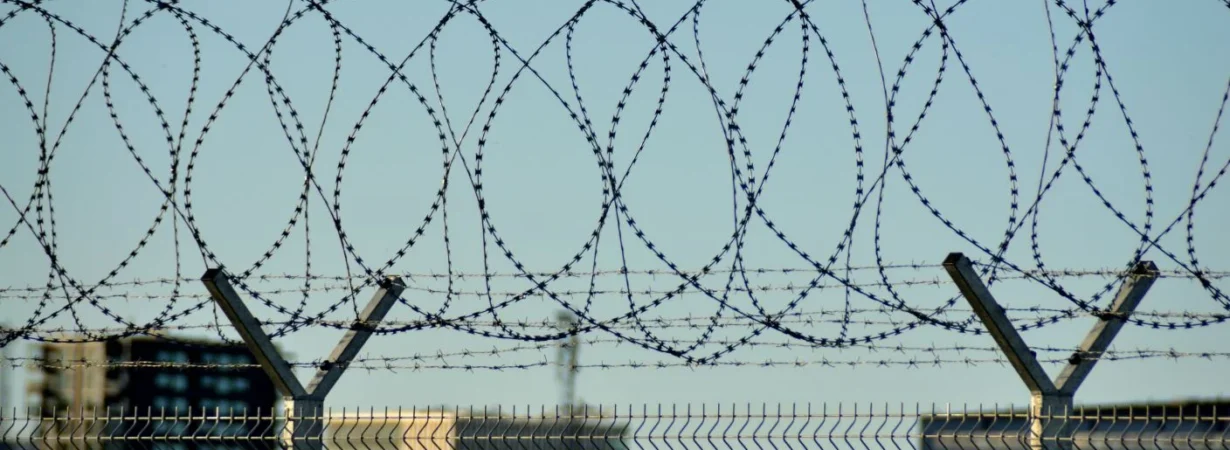
In a landmark effort to steady the Middle East, top military leaders recently sort of gathered in Jordan for a critical Amman border security push, it was said to be urgent. On August 11, 2026, commanders from Iraq, Jordan, Syria, and the Kurdistan Region met to tackle growing cross-border threats. With the geopolitical atmosphere shifting after the fall of the Syrian regime in late 2024, building a Middle East regional defense network has never been more necessary. This write-up looks at how this new Jordan–Iraq–Syria border security initiative is meant to reduce smuggling, protect national sovereignty, and also reframe regional stability.
The Strategic Goals of the Amman Border Security Push
The high-level meeting hosted by the Jordan Armed Forces (JAF) brought together an unusual coalition of senior military brass, almost like a one-time alignment. Among the attendees were Jordan’s Chairman of the Joint Chiefs of Staff, Maj. Gen. Yousef Huneiti, Iraq’s Army Chief of Staff, Gen. Abdul Amir Rashid Yarallah, Syria’s army chief, and the Kurdistan Regional Government’s Minister of Peshmerga Affairs.
Key Areas of Military Cooperation
To reinforce their shared edges, these leaders reportedly agreed that setting up a unified Middle East regional defense network is the only sustainable path, no real alternatives. Their long discussions focused on a few core aims, mainly:
- Information Sharing: Set up fast, real-time intelligence exchanges so that suspicious movement gets caught early, before it even tries to cross national borders.
- Joint Readiness: Boost operational capacity and improve tactical coaching for border guards, so they can intercept hostile actors efficiently.
- Unified Action: Line up heavy patrols along the 610-kilometer stretch between Iraq and Syria, in order to stop militant infiltration in a more coordinated way.
Combating Cross-Border Threats: Drugs and Weapons
For over a decade, porous boundaries have powered very lucrative smuggling and trafficking runs, and it does not really slow down even when the headlines go quiet. During the height of the Syrian civil war, Jordan ended up as a major transit lane for illicit Captagon moving toward the Gulf. While the shipment of these narcotics eased a lot after the regime change in Damascus back in December 2024, organized crime networks are still a serious danger.
Securing the Post-2024 Landscape
So to address these lingering cross-border risks, Syria’s new transitional authorities have pushed harder on internal security actions. Recent coverage by The National News says Syrian forces recently grabbed advanced matériel, including drones and anti-tank missiles, near the Iraqi border. That seizure shows, without much doubt, how maintaining a strong Jordan-Iraq-Syria border security pact is absolutely necessary to keep non-state actors from messing with the stability of the region.
Expanding the Middle East Regional Defense Network
And this Amman border push is not happening by itself. At the same time, on the sidelines of the summit, Jordanian and Iraqi leaders held important discussions with U.S. Central Command (CENTCOM) chief Adm. Brad Cooper.
As CENTCOM put it, the sideline talks centered on military collaboration and handling the continuing movement of thousands of former ISIS detainees from northeastern Syria into Iraqi custody. Moreover, as Shafaq News noted, by folding Kurdistan Region forces into the wider Jordan Iraq Syria border security structure, Baghdad and Erbil are aiming to show one front against insurgency activity. The Iraqi Ministry of Defence has repeatedly said that internal coordination is the key first step for any outside security to actually hold.
The historic Amman border security push kind of signals a major turning point for the Levant, you know. By putting aside long-standing differences to face shared threats, Iraq, Jordan, Syria, and Kurdistan are moving toward a more coordinated and highly effective defense network across the Middle East. Even if the fight against smuggling and trafficking is far from finished, this renewed commitment to Jordan Iraq Syria border security will still help build a safer, steadier future for the whole region.
FAQs
Q1: What is the main goal of the Amman border security push?
A: The initiative is meant to strengthen military cooperation and to form a more unified Middle East regional defense network that can guard national borders from organized crime, militants, and terrorism.
Q2: Which countries participated in the 2026 meeting?
A: Senior military leaders from Jordan, Iraq, Syria, and the Kurdistan Region of Iraq attended those high-level security talks.
Q3: Why is Jordan Iraq Syria border security so critical right now?
A: After major political changes in Syria during 2024, the region is still exposed to smuggling and trafficking. Joint, coordinated efforts are needed to stop illicit drug flows and the movement of more advanced weapons.
Top Picks For You
Discover best tourist attractions in Jordan?
Explore iconic places every visitor should experience.
Explore Petra viewpoints and best spots?
Check where to capture the most stunning Petra views.
Discover desert adventures in Jordan?
Explore thrilling experiences across Jordan’s desert landscapes.
Check top things to do in Amman?
Discover must-visit spots for first-time visitors in the city.
Explore Dead Sea spa day trip?
Check relaxing mineral spa experiences near Amman.