Ben Shapiro: Biography, Popularity, and Latest YouTube Podcasts
-
 Layla Nour
- . August 29, 2025
- . Update: August 30, 2025 3:01 am

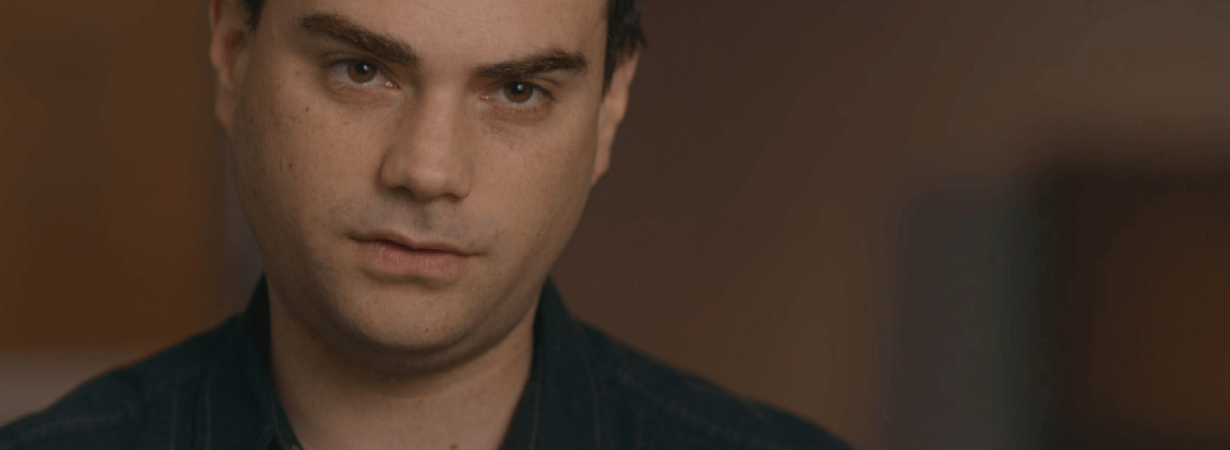
Picture a student auditorium late afternoon. The air feels warm and sticky, notebooks scattered, coffee cups rolling under chairs. A man in a suit walks to the microphone, clears his throat, and then words come fast, too fast for some.
That man is Ben Shapiro. His voice is sharp, clipped, carrying across rooms, across YouTube screens, across podcast apps in cars crawling through traffic. For many in Arab countries scrolling through feeds, his clips appear like clockwork. Who he is, why he draws such crowds, and what he is saying today is a story worth breaking down.
Who Is Ben Shapiro?
Ben Shapiro was born in Los Angeles in 1984. Raised in a Jewish family, he grew up in a city buzzing with culture and competition. He didn’t move at the same pace as others.
At sixteen, he had already finished high school. Two years later he graduated from UCLA in political science. Then came Harvard Law. His sharp debating style only grew stronger there.
By seventeen, Shapiro was writing syndicated columns. Teenagers usually think about exams or driving lessons. He was tackling American politics in print.His first books criticized universities and media bias. Later works targeted Hollywood and cultural trends.
These writings built his reputation early, planting him firmly in the conservative camp. The pattern has been the same since: quick arguments, bold claims, and no hesitation.
Why Is He Popular?
Popularity rarely arrives in a straight line. For Shapiro, it came from speed and certainty. He speaks like a stopwatch is ticking, every phrase stacked on top of the next.
In college debates, clips of him rattling off statistics and quotes became viral.
Students struggling to answer only boosted his image further. His phrase “Facts don’t care about your feelings” turned into a rallying cry. Supporters printed it on posters and mugs. Critics repeated it mockingly, which only spread it more.
Consistency added another layer. Shapiro does not shift tone depending on election cycles. He addresses culture, religion, and politics with the same sharpness he had a decade ago.
That predictability draws fans. People know what they are going to get. Even critics keep watching because they want to argue against him. Their shares on social media feed his visibility. The cycle sustains itself.
Latest Podcast / YouTube Video Links
The backbone of his platform is The Ben Shapiro Show. It is a daily podcast and radio program that dissects headlines. His YouTube channel mirrors it with clips uploaded daily, each one cut to fit the pace of online consumption. The videos attract thousands of comments, sparking long chains of arguments.
Some of the most recent uploads include:
- “The Trans, Catholic-Hating, Trump-Hating OMNICAUSE Killer” – tackling identity politics.
- “Democrats Mock Prayer After Minneapolis Tragedy” – critiquing political responses to tragedy.
The format never changes much: a microphone, Shapiro speaking quickly, graphics flashing on the screen. Yet the simplicity works. Arab audiences watching these clips often encounter the American culture wars through this very channel.
Ben Shapiro’s Impact on Younger Audiences
Younger audiences make up a large part of his following. Walk into a campus cafeteria in the United States and it isn’t rare to overhear students mimicking his cadence or rolling their eyes at his remarks. Either way, his arguments get repeated. That repetition spreads beyond classrooms into TikTok edits, Twitter debates, and subtitled clips that travel far beyond the U.S.
Before looking at details, it is worth noticing how this appeal works across settings, not only American colleges but also online forums in Arab countries.
Why students listen
The delivery is fast, often too fast for note-taking. For young listeners raised on short clips, this pace feels familiar. They may disagree, but the rhythm keeps them hooked.
Role of social media
YouTube thrives on argument. Videos with thousands of comments rise in recommendations. Shapiro’s clips, often sparking fights between supporters and critics, get pushed into feeds of people who never searched for him. A click here, a comment there, and the cycle continues.
Cultural curiosity
Students in Arab countries often come across his videos translated or with subtitles. His blunt style differs from the more formal debate formats many are used to. That difference alone draws attention. People want to see how such raw exchanges play out in American political culture.
Ben Shapiro’s Connection to Media Growth
In 2015, Shapiro co-founded The Daily Wire with Jeremy Boreing. What started as a site publishing articles turned into a larger media company. It now produces shows, documentaries, and films. Through it, Shapiro amplified his reach. Supporters see a consistent flow of content, critics see a louder presence, but either way, his voice is nearly impossible to miss in conservative American media.
Controversies and Criticisms
Shapiro’s rise did not come quietly. His speeches have been protested at universities. Student groups accuse him of deepening cultural divides. Others say his arguments reduce complicated issues into simple black-and-white answers.
Yet these protests often backfire. Canceled events become headlines. Headlines send more people to his channel. Attention only multiplies. His critics unintentionally feed his visibility, keeping him in the news cycle.
Ben Shapiro’s Growing Influence Online
From teenage columnist to global commentator, Ben Shapiro shows how steady messaging and constant digital output can cross borders. His Ben Shapiro Show dominates charts.
His YouTube channel churns out clips that flood comment sections. His books and speeches keep resurfacing in classrooms and living rooms.
One man, a microphone, and a relentless delivery have turned debates in Los Angeles into conversations stretching into Cairo cafés and Doha living rooms. His voice is loud, controversial, and unlikely to fade soon.