

Chinese EV Companies Choose Morocco for New Factories: What’s Driving the Investment Surge?
-
Dhivyanshu
- . July 15, 2026
- . Update: July 15, 2026 5:35 pm
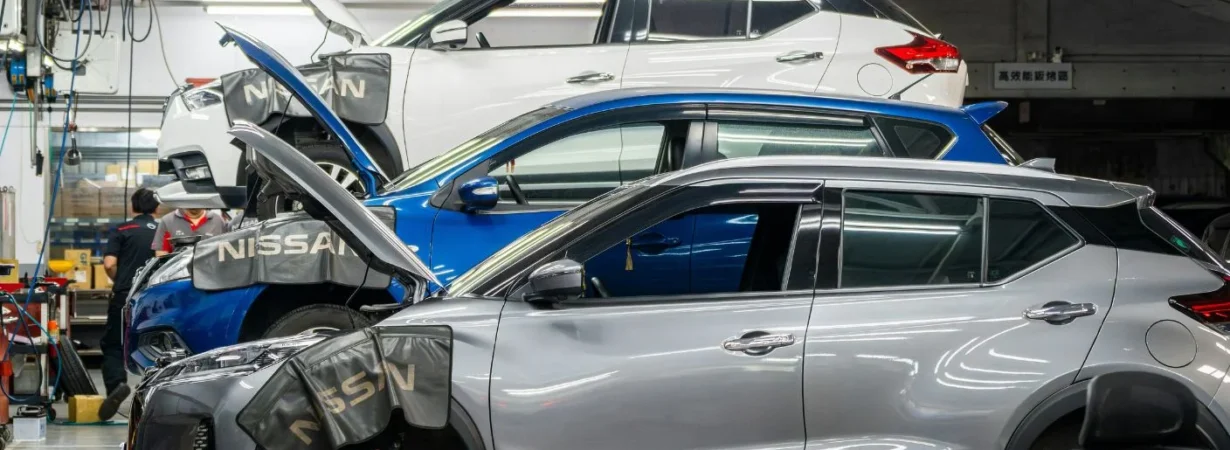
The global electric vehicle landscape is going through some kind of massive geopolitical shift during 2026. Between steep tariffs and extremely tight market competition, leading Chinese EV companies are slowly (but very deliberately) looking toward an unexpected yet very strategic manufacturing base: North Africa. Chinese EV companies in Morocco, With more than $6 billion in recent capital now flowing into the region, Morocco has officially overtaken South Africa to become the continent’s top automotive producer. Still, what is really pushing this unusual investment wave, and what kind of effect will these new Morocco EV factories have on the global EV battery supply chain? Here is everything you basically need to know about this green manufacturing revolution.
The Massive Scope of China’s EV Investments in Morocco
The scale of the current investment surge is honestly staggering. Chinese battery manufacturers are not only setting up assembly lines, but they’re also building an integrated localized EV battery supply chain from the ground up.
- Gotion High-Tech’s Gigafactory: In the industrial city of Kenitra, according to Reuters, Gotion High-Tech is pushing ahead with building Africa’s first electric vehicle gigafactory. The plan begins with an initial $1.3 billion injection for around a 20 GWh capacity, while the end goal is to grow up to roughly $6.5 billion for an enormous 100 GWh output.
- BTR and CNGR Advanced Material: In Tangier Tech City, BTR New Material Group is putting in close to $850 million for advanced cathode and anode production. Then farther south, in Jorf Lasfar, there’s a $2 billion joint venture involving CNGR, focused on handling key nickel-manganese-cobalt precursors.
Taken together, these coming Morocco EV factories are expected to crank out enough battery packs to drive more than one million electric vehicles every single year, and that could rewire regional commerce in a big, practical way.
Why Morocco? The Strategic Catalysts for Chinese Automakers
To understand why Chinese EV companies have picked this particular North African country, you kind of have to dig into the bigger picture: global trade economics, geology, and those green energy rules that get written into policy.
Bypassing Tariffs Through Free Trade Agreements
Trade law is the main thing, really. The United States recently put 100% tariffs on Chinese EVs, and the European Union rolled out tariffs reaching as much as 45%. So, if a firm builds solid Morocco EV factories, Chinese players can use the country’s very sought-after free trade arrangements with both the US and the EU. Provided the companies stay within strict rules of origin—like the raw materials need to go through substantial processing inside Morocco- then they can export batteries and vehicles to Western markets with no tariffs, at least in the legal sense.
The Phosphate Monopoly and Lithium Iron Phosphate (LFP) Batteries
On the technology side, data from the International Energy Agency (IEA) suggests the battery market is quickly converging on Lithium Iron Phosphate (LFP). People keep pointing to LFP because it’s considered safer and it’s cheaper to produce, compared with other chemistries. That’s why Morocco can feel like a real “goldmine”. The country holds roughly 70% to 80% of the world’s phosphate rock reserves. So by setting up electric vehicle gigafactory operations right near the source, Chinese EV companies shrink shipping and handling expenses, and they also lock in long-term access to key materials.
Clean Energy and EU CBAM Compliance
Europe’s new Carbon Border Adjustment Mechanism (CBAM) sort of penalizes imported goods for the carbon created during their production process. When someone manufactures a battery cell on China’s coal‑heavy power grid, it drags along hefty regulatory costs. On the other hand, Morocco has been putting serious money into solar and wind infrastructure, billions in fact. If Chinese manufacturers run the local EV battery supply chain on a cleaner grid, then they can cut their embedded carbon emissions quite a lot, and keep pricing in Europe more competitive.
The European Response: An EV Battleground
This big investment surge is, of course, causing nerves in Brussels. A few EU policymakers worry that Beijing is treating Morocco like a bit of a “backdoor”, meaning they can unload subsidized industrial overcapacity into Europe, and somehow avoid tariffs.
However, the Moroccan Ministry of Industry and Trade really pushes back on these claims , like firmly. Still, as the African Development Bank notes, Morocco has spent more than a decade building a deep and very localized automotive ecosystem, with the huge Tanger Med Port Authority really acting as the anchor point. And no, it’s not simply that the components are being shuffled around or repackaged. Instead, they’re being manufactured from scratch inside the country, so every single legal trade requirement is met, properly.
The fast establishment of Morocco EV factories is almost like a masterclass in modern geoeconomic strategy, you know that kind where everything clicks at once. With a stable regulatory environment, mineral wealth that’s essentially unmatched, plus zero-tariff access into the world’s largest consumer markets, the country has placed itself right at the center of the global green transition. And as this massive investment surge moves from promise into full operational maturity in 2026, the partnership between North Africa and Chinese EV companies will, without doubt, reshape what comes next for the worldwide automotive industry.
FAQs
Q1: Why are Chinese EV companies moving to Morocco?
A: Chinese EV companies seem pulled in by the country’s massive phosphate reserves, plus the cleaner energy grid, and then these strategic free trade agreements with Europe and the US, which kinda let them sidestep steep import tariffs in a legal way.
Q2: What is the Gotion High-Tech project in Morocco?
A: Gotion High-Tech says it is building Africa’s first electric vehicle gigafactory in Kenitra, but it’s not just one step. The initial phase is about a $1.3 billion commitment for a 20 GWh plant, and the later plan is to grow it toward 100 GWh capacity.
Q3: How do Morocco’s phosphate reserves help the EV battery supply chain?
A: Morocco has as much as 80% of the world’s phosphate reserves. And phosphate is basically the absolutely core ingredient for Lithium Iron Phosphate, or LFP, batteries. Those LFP batteries are getting traction as the global go-to option for low-cost and reliable electric vehicles.
Discover More Insights
Explore Cairo inflation middle class impact?
Discover how rising prices are affecting savings and daily life.
Check Algeria power plant deadline extension?
Explore updates on the 1.2GW energy project timeline.
Discover Turkey new electricity tariff changes?
Check how updated pricing will impact households and businesses.
Explore Qatar initiative boosting Syria power?
Discover efforts aimed at strengthening Syria’s electricity generation.
Check Beirut balcony lighting energy tips?
Explore efficient lighting ideas for Ramadan and beyond.