
Iran-Oman Proposal on Strait of Hormuz Shipping: What Does It Mean for the Arab Countries?
-
Dhivyanshu
- . August 8, 2026
- . Update: August 8, 2026 6:42 pm
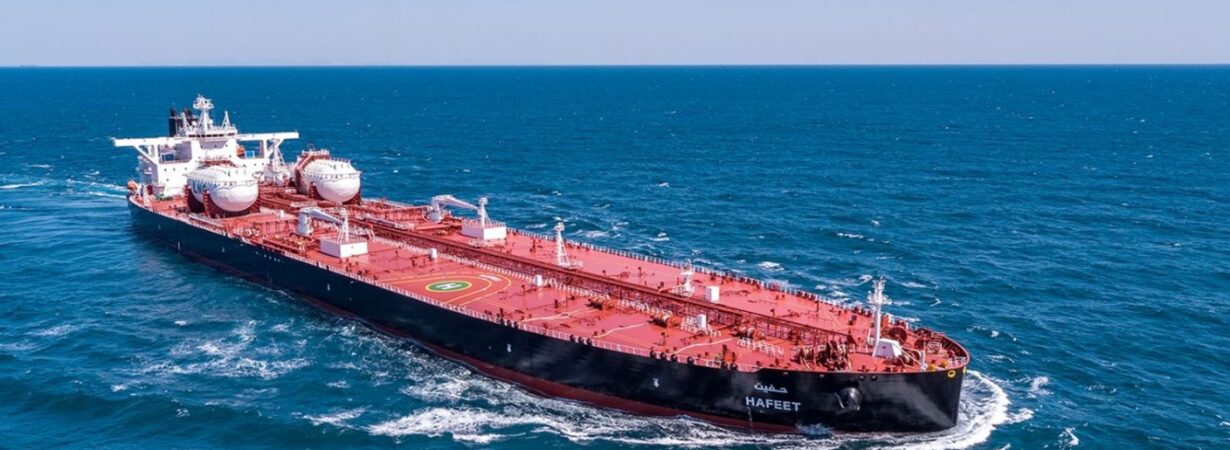
A proposal by Iran and Oman to arrange shipping through the Strait of Hormuz is drawing closer to becoming a reality, which could lead to the creation of a new system in the handling of an extremely important energy passage.
The new system involves Iran and Oman sharing the traffic administration duties, with Iran responsible for the inbound vessels and Oman taking care of the outbound shipping. Yet, it remains to be seen how the US and the fees will fit into the scheme.
It goes without saying that the Arab countries, especially those near the Gulf, have much to lose or gain in case the deal becomes a reality.
What Is the Strait of Hormuz Deal?
The suggested framework would aim to regulate maritime traffic through the Strait of Hormuz, which is a strategically critical passage connecting the Persian Gulf to the Gulf of Oman.
According to the scheme, the Iranians would be responsible for regulating ships entering the Gulf, while Omani officials would control ships going out. Such a distribution could ensure the regulation of traffic routes in case of their long-term disruption.
However, some specifics of the system, such as fees, have not yet been clarified.
Iran is apparently waiting for official approval from its leading decision-makers before proceeding with the suggested agreement. The suggested Hormuz deal, according to the report by The National
Why Hormuz is Critical for Arab Economies
The Strait of Hormuz is among the most important energy chokepoints of the world.
A large proportion of international supplies of oil and liquefied natural gas pass through the strait, which means that any long-term disruptions might immediately influence energy prices and supplies internationally.
Arab countries of the Gulf are especially vulnerable, as Saudi Arabia, UAE, Kuwait, Qatar and Bahrain rely mostly on their maritime transportation systems to export and import energy resources.
In addition to providing stability, a stable shipping framework could also alleviate economic pressure on the economies in the region and allow for the re-establishment of steady flows of energy through the area.
Iran Could Have More Influence
Tehran could potentially gain something from such an arrangement other than just financial benefits.
An agreement giving Iran some say regarding shipping of goods in Hormuz would mean that Iran would have more say and more power regarding maritime activities in the strait.
Such an agreement would be especially beneficial for Tehran due to the fact that control over the water passage was always considered a vital part of its strategic position in the region.
Why Oman Plays a Key Role in the Dispute
Oman is in a unique position in regard to the conflict surrounding the passage in question.
Muscat traditionally had good relations with Iran and Western states and served as a mediator in many hard diplomatic negotiations.
By being included in the discussions of the Hormuz passage, Oman could serve as a mediator between Tehran and other interested parties.
And What About the United States?
Another of the biggest outstanding questions is the part to be played by the United States.
It seems that Iran has been adamant that talks are mainly a bilateral issue between Iran and Oman, with other conversations with the US being politically complicated.
Why is this significant? Because the United States’ military and business interests are tightly linked to freedom of passage through the Strait.
Excluding or limiting the United States from this situation might raise some concerns about the future of maritime security.
What If Negotiations Fall Apart?
If negotiations are unsuccessful, there will be a risk of further escalation of tensions in the region.
If the flow of oil and gas from the region is disrupted, as well as shipping costs and the regional economy, then the Arab nations may find themselves exposed to additional threats regarding their critical infrastructure, such as ports, energy production, and desalination stations.
Therefore, a stable maritime deal is vital for both Iran and Oman, as well as for the rest of the Arab world.
Discover More Insights
Explore Cairo inflation middle class impact?
Discover how rising prices are affecting savings and daily life.
Check Algeria power plant deadline extension?
Explore updates on the 1.2GW energy project timeline.
Discover Turkey new electricity tariff changes?
Check how updated pricing will impact households and businesses.
Explore Qatar initiative boosting Syria power?
Discover efforts aimed at strengthening Syria’s electricity generation.
Check Beirut balcony lighting energy tips?
Explore efficient lighting ideas for Ramadan and beyond.