Cultural Etiquette for First-Time Visitors in Iran
-
 Fatima Saif
- . November 5, 2025
- . Update: November 5, 2025 8:17 pm

The first visit to Iran can be a rich experience with history, hospitality, marvelous architecture. Nevertheless, the culture and traditions of Iran are based upon the sense of respect, modesty, and solid social values. Learning what is proper and improper in certain places is key to the traveler ensuring that they create a good impression and prevent situations of culture not being understood. Even in terms of the greetings and the mode of dressing, dining etiquette, and the conduct of people around, subtle acts of respect can be very helpful in terms of paying tribute to Iranian culture. This guide gives priority on the culture etiquette that first time visitors must be aware of to have a good trip, respectfully.
1. Greetings and Communication
Iranians are welcoming and friendly. One can be greeted with a handshake (between members of the same gender) and a smile. Physical contact in the open is not common between men and women except when the woman takes the initiative. When referring to people address them in a formal way as Mr. or Mrs. and their surname. It is greatly appreciated when people express politeness and humility during conversations and it is better not to discuss political issues or religion.
2. Dress Code and Modesty
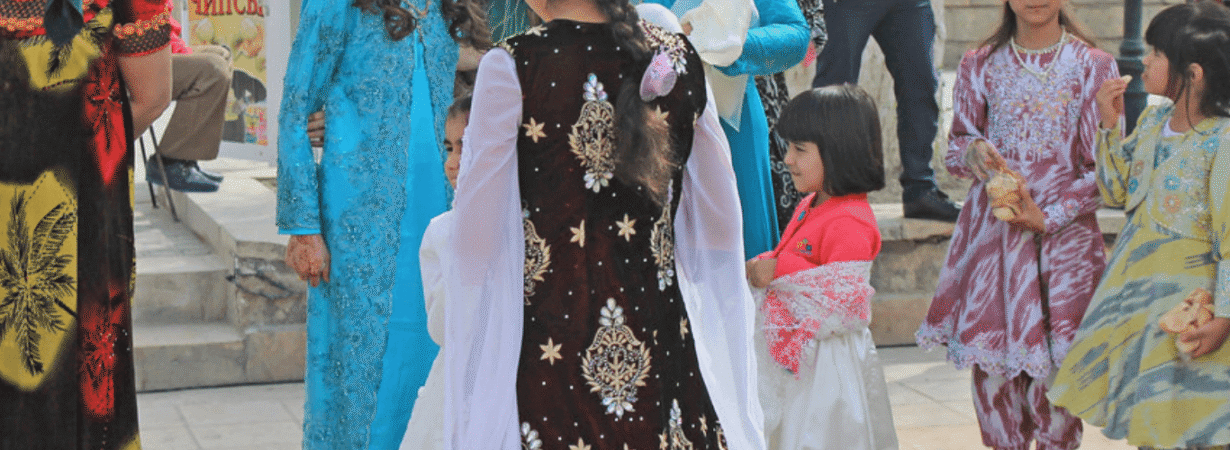
Dress up decently, since Iran adheres to Islamic culture. Women must wear a headscarf (hijab) and loose dresses that cover their arms and legs. Men must keep off shorts or sleeveless shirts in public. This is alright with bright colors but not with revealing clothes. Mandatory dress code can be stricter, especially in religious places, it is always better to have a light scarf or shawl with one.
3. Dining and Hospitality Etiquette
Hospitality is another characteristic of the Iranians: they tend to give their guests tea, sweets, or food. At least it is good etiquette to take a little. Food is generally eaten communally and it is frequent to leave off shoes before entering a household. Always eat with your right hand or give things with your right hand. It is very much appreciated to praise the food and also thank your hosts.
4. Public Behavior and Customs
The expression of affection in public is not allowed. Display reverence to local practices when it comes to religious practices like Ramadan where one should not eat or drink in open places during the day. Dressing in a conservative manner and taking off your shoes before entering the mosques is also considered a norm that you should follow when visiting the mosques.