

Don’t Believe Everything You See: Seven Signs You’re Watching a Deepfake
-
The Arab Post
- . July 1, 2024
- . Update: July 1, 2024 8:37 pm
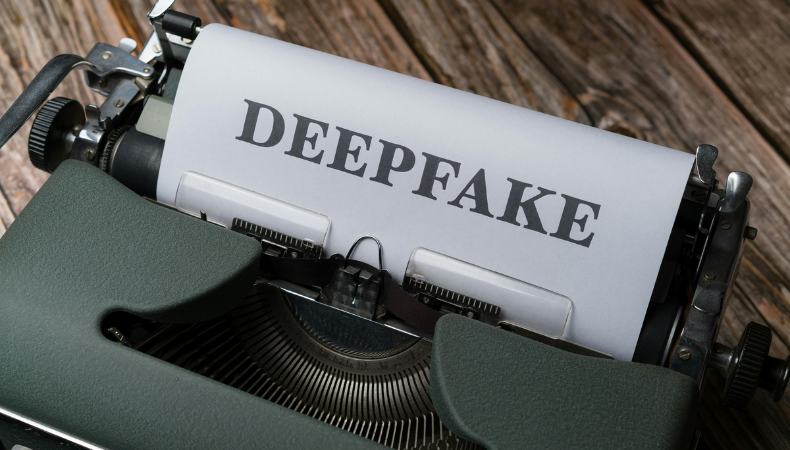
In the digital age of today, manipulated videos represent a main challenge. Driven by complex artificial intelligence (AI) algorithms, deepfakes may seamlessly overlay one person’s face onto another’s body in video footage, generating convincing but completely fabricated scenarios. Originally used for entertainment and artistic expression, deepfakes can also spread false information, damage reputations, and possibly change public opinion.
Knowing the weak signs that could reveal deepfake fraud will enable you to guard against falling victim. These seven comprehensive criteria help one decide whether a video could be a deepfake:
1. The Uncanny Valley: Views Off-Kilter
Deepfakes usually struggle to faithfully replicate human gestures. Pay close attention specifically to gestures—especially those around the hands, neck, and face. Look for unusual movement patterns, fluidity, or stiffness implying computer editing. Another indication of manipulation is either too strong or frozen facial reactions.
2. Blurring Lines: Mistakes All Around the Edges
Perfect deepfake needs for intricate mixing of many video sources. Even the most advanced algorithms, meantime, might leave obvious traces. Look especially for conspicuous blurriness or pixelation at borders like the hairline, ears, and garment seams. Many times, these artifacts demonstrate where the real and altered footage were stitched together.
3. Lighting the Lies: Discord of skin tones
Lighting and skin tones are key elements of video reality. Deepfakes would struggle to exactly match the skin tones and lighting conditions of the person posing another. Look about the face for variations in color consistency, shadows, or brightness from the rest of the picture. Though minute, these abnormalities are highly essential in identifying a deepfake.
4. Lip Service: When Words Fall Short to Match Mouth Movement
See how lip movements in movies with spoken content closely relate to the audio. A challenge for deepfake technology is reaching perfect lip-sync accuracy. Look for moments when the lips align differently from exactly the spoken words or when they move somewhat misaligned in timing. These disparities suggest manipulation.
5. A Voice Outside of Character: Deviant Speech Patterns
Focus especially on the audio track backing the video. Does the voice match the usual gestures of the speaker? Deepfakes could cause small distortions, stutters, or odd speech patterns unlike the person’s normal voice quality. Any variation from the expected voice makes one question probable manipulation.
6. Breaking Character: Actions Not Complement Identity
Consider the background and acting the video shows. Does the person seem to have odd or out-of-line words or behavior? A red signal could be public comments or events attended by someone whose known behavior contradicts. Sometimes deepfakes employ these variations to construct scenarios meant to trick viewers.
7. Low Resolution: Covering Mistakes
Many deepfakes mask manipulation process errors by starting from less-quality source material. One should avoid video with generally low resolution, fuzzy images, or compression problems. These technical limitations can conceal data revealing deepfake anomalies, therefore complicating identification.
Learning these particular indicators will enable you to identify suspected deepfakes and reduce your chance of being misled by edited video content. Negotiating the digital environment where deepfakes challenge truth and confidence demands for critical thinking, doubt, and thorough source validation.