
The Egypt WFP Partnership: How Food Security Data Analytics is Driving the Future
-
Dhivyanshu
- . August 25, 2026
- . Update: August 25, 2026 3:10 pm
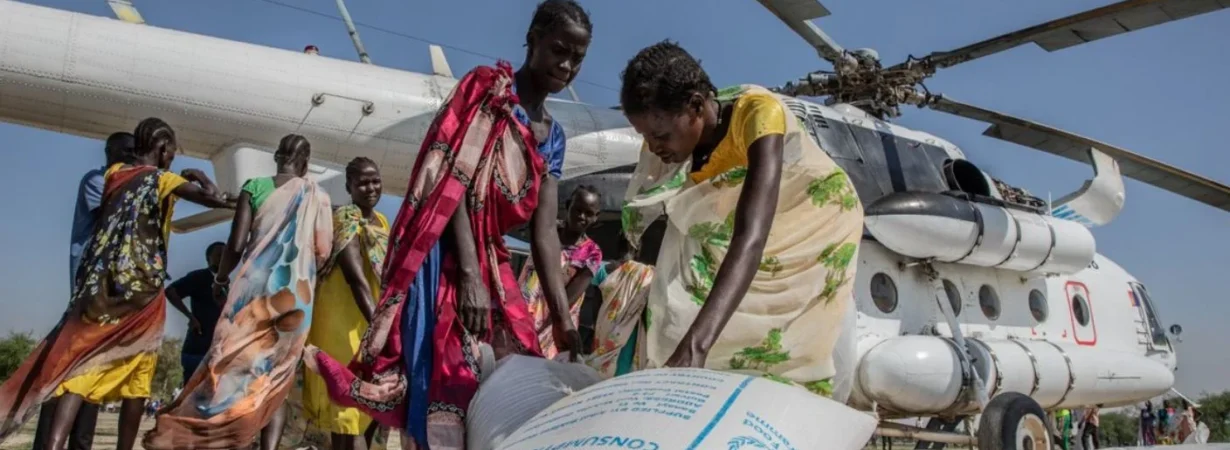
For decades, global humanitarian responses have leaned on this reactive model: wait for a crisis, observe what happens next, then deploy aid. Still, that old approach is moving fast into something else in North Africa. The Egypt WFP partnership is kind of showing, in a practical way, that the country is clearly shifting from passive watching to proactive food security data analytics. Instead of paper-based surveys, they’re putting in place high-tech digital infrastructure, plus real-time dashboards, and it looks like the Egyptian government is setting a fresh regional benchmark for relief. And this isn’t just “digital transformation” as a fancy label; it feels more like a lifesaver mechanism, empowering vulnerable communities while also making the agricultural sector more resilient for the future.
Harnessing Food Security Data Analytics for Precision Relief
When it comes to market prices, supply chain disruptions, or nutritional deficits, using outdated statistics can easily steer resources the wrong way. That mistake isn’t small; it can turn fatal, especially when you misjudge where needs are growing. With the Egypt WFP partnership, authorities are actually rolling out sophisticated food security data analytics so they can generate flexible, real-time visibility rather than static reports.
Working together with the Central Agency for Public Mobilization and Statistics (CAPMAS), the World Food Programme helped build the Egyptian Geospatial Information Portal. This kind of digital repository is a big leap. Rather than guessing which places need help the most, government officials can use the integrated platform to pinpoint the exact districts facing economic shocks. And when data gets shared like that, it undercuts the usual bureaucratic silos, so coordination becomes smoother, resources tend to reach the communities that need them most, and the overall waste goes down while the impact goes up.
The Power of Vulnerability Mapping
A kind of cornerstone for this modern approach is mobile vulnerability mapping (mVAM). You use mobile tech, plus SMS, and automated two-way conversation systems, so researchers can pull high-frequency info from hard-to-reach and at-risk groups. In practice, this means the folks analyzing through platforms like the WFP VAM Data Hub can follow food security patterns without having to wait on those slow face-to-face surveys. And when you can pinpoint the real, underlying causes of localized hunger, the state can adjust resource routing quickly, so that no family gets left behind just because of administrative lag or something similar.
Egypt Digital Transformation: A Core Pillar of Egypt Vision 2030
That turn toward a more automated, number-driven humanitarian sector also sort of fits with the wider macroeconomic direction laid out in Egypt Vision 2030. The government, backed by international actors like the World Bank, is putting serious effort into building digital infrastructure. The aim is straightforward: better transparency, tighter accountability, and smoother operations across sectors.
More recently, the investments that were approved for large data centers and cloud computing hubs show how far this ambition goes. By setting up a unified digital ecosystem, different national ministries can exchange information more or less seamlessly. This boosts cross-department decision support a lot, so economic policies and humanitarian actions end up synced and carried out with more precision than before.
Climate Adaptation and Smart Agriculture
A big part of long-term food security is basically cushioning the effects of extreme weather, but also dealing with water scarcity. And yeah, advanced data analytics really helps here for proactive climate adaptation, not just the “we react after” part. Through joint initiatives, the Egypt WFP partnership seems to give smallholder farmers tools that are real, practical, and honestly easier to use, like weather forecast guidance, market price updates, and better agricultural approaches.
By leaning on solar energy, fine-tuned irrigation data, and early warning systems, rural communities can adjust to climate change before crops, kind of, just collapse. For example, the Ministry of Planning and Economic Development recently launched programs that mix digital innovation with sustainable farming methods. That change from seeing crop failures happen in real time to actually forecasting and preventing them is kind of a big deal for the country’s agricultural output and the everyday stability of rural livelihoods.
Driving Reliable Decision Support with Technology
To figure out how international partnerships are shifting things on the ground, we can just observe what’s happening right now in these collaborations. By backing tech startups, scaling digital workspaces, and replacing manual, paper-based procedures with automated data pipelines, Egypt is showing how data can function like a humanitarian agency’s closest ally. This modern framework also tries to make sure every dollar spent connects to verifiable metrics and decision support that is clearly focused, which gives other emerging economies across the African continent a model they might replicate.
The era of only looking after things go wrong, like reactive post-crisis observation, is officially ending. With the dynamic Egypt WFP partnership, the country is leaning into this deep potential of food security data analytics, really trying to move beyond guesswork. By integrating advanced vulnerability mapping and pushing stronger climate adaptation, this kind of tech shift is becoming a notable example for the whole region. And as Egypt continues its ambitious digital transformation along Egypt Vision 2030, the use of focused decision support means the future of Egyptian agriculture and humanitarian aid will be shaped by precision, resilience, and sustainability, not just reaction.
FAQs
Q1: What is the primary goal of the Egypt WFP partnership?
A: The Egypt WFP partnership seeks to reduce hunger and strengthen rural resilience by moving away from traditional ways of watching, toward advanced food security data analytics. In practice, this supports better targeting, so aid and agricultural resources can be allocated more effectively.
Q2: How does vulnerability mapping work in this context?
A: Mobile vulnerability mapping uses SMS and mobile technology to gather near real-time data from hard-to-reach communities. That lets authorities track day-to-day living conditions and spot food shortages quickly, which improves the quality of relief decisions.
Q3: How does this tie into Egypt Vision 2030?
A: These efforts sit right inside the wider Egypt digital transformation story. When humanitarian and agricultural information is digitized, the government is advancing Egypt Vision 2030 aims—sustainable development, economic robustness, and more transparent governance.
Q4: What role does climate adaptation play?
A: Through climate adaptation programs, the WFP, together with the Egyptian government, uses data to help smallholder farmers improve water efficiency, adopt solar solutions, and use heat-tolerant seed varieties. All of that helps protect the country’s food supply from extreme weather incidents and makes response more durable over time.
Top Picks For You
Discover top Middle East tourist sights?
Explore must-visit landmarks across the region for travelers.
Explore essential apps for Arab travel?
Check must-have apps to simplify your trip planning.
Check common travel mistakes Arab countries?
Discover key errors tourists should avoid during visits.
Explore top Arab festivals for tourists?
Discover unique cultural events across non-GCC destinations.
Check tourist safety tips Arab countries?
Explore essential precautions for safe and smooth travel.