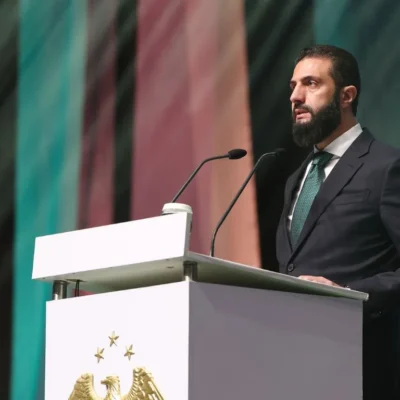

Syria Signs 30-Year Hama Steel Plant Deal in Major Reconstruction Push
-
Dhivyanshu
- . August 30, 2026
- . Update: August 30, 2026 2:23 pm
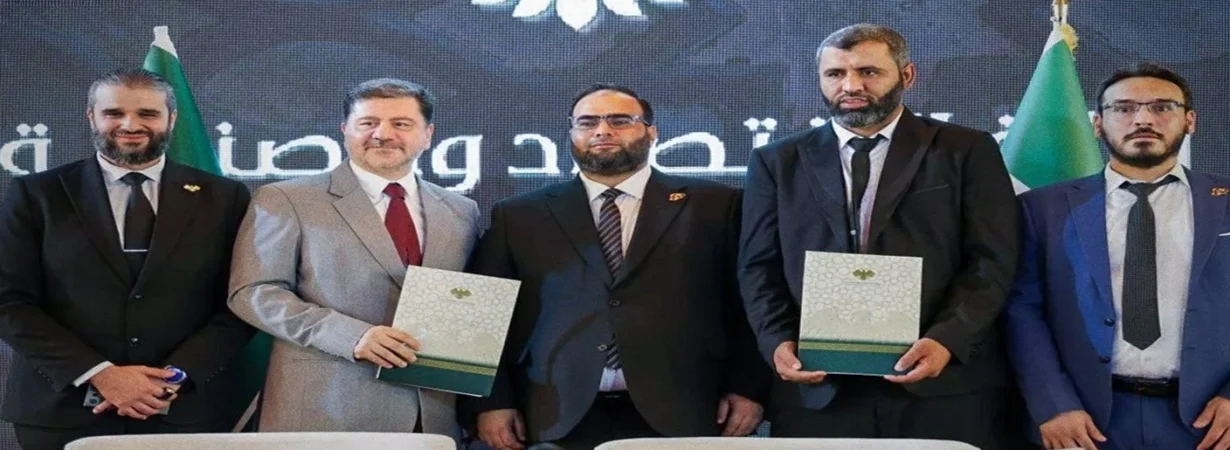
The Syrian Ministry of Economy and Industry has finally managed to secure a Gigantic Agreement as the country starts one of the biggest reconstruction efforts in the Middle East. On August 28, 2026, the government signed a 30-year memorandum of understanding with the Saudi Ithraa Group to completely rehabilitate the state-owned Hama Steel Plant. This huge steel manufacturing plant outlay in Hama is a turning point for foreign investment and a big step towards the spread of Syrian reconstruction, which was unveiled during the 63rd Damascus International Fair. All that you need to know about the contract and its impact on the local economy.
Breaking Down the Hama Steel Plant Deal
The General Company for Iron and Steel Products in Hama (Hama Steel Plant) has long been an important pillar of the local heavy industry sector, having existed for decades. Over the years, however, its operations were greatly hampered by conflict, shortages of resources, and resources constraints.
This new investment contract with the Saudi Ithraa Group is expected to help reverse that loss with its infusion of much-needed capital and technology. The deal, one of the most prominent points of the 63rd Damascus International Fair, was one of the latest signs of the renewed effort to welcome high-value foreign direct investments, according to the official Syrian Arab News Agency (SANA).
Modernizing Syria Steel Production Capacity
The key of the Hama steel plant transaction is “aggressive modernization”. The memorandum provides a clear plan for operations over the next four years:
- Upgraded Infrastructure: Introducing New, Cut-Of The-Art Production Lines: Replacing of old machinery with completely new and modern production lines.
- Capacity Expansion: Strategic plan for gradually expanding the steel production capacity of Syria to at least 350,000 tonnes per year in the first 4 years.
- Long-Term Operation: Saudi holding company will be actively managing and operating the plant over the 30-year contract period.
Meeting the Massive Demands of Syria Reconstruction
Millions of tons of raw materials are needed to reconstruct the nation’s broken-down infrastructure. Syria reconstruction is expected to continue for the next few years and will lead to a remarkable increase in steel consumption in the country, reaching up to 3-4 million tons, according to the latest market analysis made by SteelRadar.
At present, the steel industry is facing problems, with domestic plants operating at approximately 20-30% of their capacity because of high cost of electricity, raw material scarcity etc. In collaboration with the Saudi Ithraa Group, the Syrian Ministry of Economy and Industry is now making sure General Company for Iron and Steel Products can rise to the occasion and respond to this exploding demand. The strategy of sourcing locally rather than exporting will be important in driving faster progress on rebuilding residential housing, bridges and commercial centres.
A Broader Economic Shift
This deal is not a one-off. It comes as part of a wider trend toward economic reintegration in the region, as evidenced by recent articles from SPToday on increased interactions and new industrial cities in the region. The deal to bring steel from Hama will help to decrease the need for heavy materials imports, which will boost the economy and increase the domestic production of heavy materials in a country that is still in a period of normalisation on international trade routes that pass through its ports such as Latakia and Tartus.
The steel contrast of 30 years in Hama is a giant step in the way of industrial recovery in the Levant. The Syrian Ministry of Economy and Industry (MOEI), in collaboration with the Saudi Ithraa Group, is ensuring the delivery of heavy materials essential for the reconstruction of Syria in the long term. This historic deal sends a strong message about foreign investment in Syria’s revival economy as the General Company for Iron and Steel Products upgrades its assembly lines and boosts its Syria steel production.
FAQs
Q1: What is the Hama steel plant deal?
It is a 30-year memorandum of understanding that was signed between the Syrian Ministry of Economy and Industry and the Saudi Ithraa Group, for rehabilitating, modernizing and operating the Syrian-owned Hama Steel Plant.
Q2: When was the agreement signed?
The agreement officially inked on 28th August 2026 at the 63rd Damascus International Fair.
Q3: How much steel will the modernized plant produce?
The deal involves setting up modern production lines and gradually ramping up the Syria steel production capacity to at least 350,000 tonnes per year in four years.
Q4: Why is this important for Syria reconstruction?
Syria reconstruction needs massive amount of raw materials, the demand for which in steel is expected to reach 3-4 million tons. The General Company for Iron and Steel Products is being revived to provide a regular and continuous supply of the product in the country for the reconstruction of national infrastructure roads.
Explore More Must-Reads
Explore current vs savings account differences?
Discover how choosing between current and savings accounts can impact your daily banking and long-term financial planning.
Explore Cairo living costs 2025–2026 trends?
Check how rising expenses and inflation are shaping everyday life and budgeting in Cairo for residents.
Explore Amman jobs and living reality?
Discover real salaries, job opportunities, and actual living costs in Amman before making a move.
Explore best countries for Arabs 2026?
Check top destinations, visa options, and opportunities for Arabs planning to relocate in 2026.
Explore Morocco gig economy earnings and taxes?
Discover platforms, income potential, and tax rules shaping Morocco’s growing gig economy.