

Horn of Africa Climate Pact: Somalia and Djibouti Finalize Historic COP31 Environmental Infrastructure Agreement
-
 The Arab Post
- . November 20, 2026
- . Update: November 20, 2026 6:46 pm

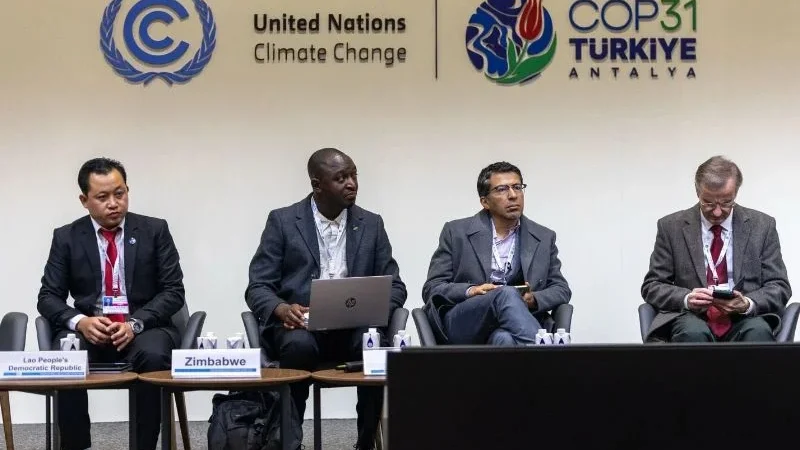
The two governments officially signed the Horn of Africa Climate Pact on November 20, 2026, which will take a transformative approach to environmental cooperation in the region. This COP31 environmental infrastructure project addresses growing environmental risks, and ensures the finalisation of key environment-related treaties at the international level, in the areas of water resources management, renewable energy and disaster preparedness. Combined, the city of Mogadishu and Djibouti City will bring together their climate strategies and help put the region on track for receiving essential international funding in the current global climate summit.
Core Pillars of the Bilateral Framework
The historic Somalia and Djibouti accord is at a crucial moment for East Africa. The area has seen more and more extreme droughts and flash floods, affecting the agricultural sector and sending coastal residents further inland.
The newly finalised pact is therefore heavily weighted towards the joint use of technological and physical infrastructure, as it were, to combat the extremes. The agreement is focused on building modern and climate resilient water desalination facilities in joint coastal corridors, as per environmental frameworks supported by the United Nations Environment Programme (UNEP). In addition, the project is to have solar power grids installed, so as to increase its reliance on imported fossil fuels and help in stabilizing access to electricity for rural communities in both countries.
Both governments are seeking to significantly cut down on the costs of such large-scale public works projects as this by bringing in their resources and centralising management.
Enhancing Horn of Africa Climate Resilience
The agreement goes beyond mere relief from immediate crises, focusing on long-term survival measures. This agreement creates a new joint environmental task force to coordinate institutions in the construction of permanent climate resilience in the Horn of Africa.
This task force will track climate information, oversee extreme weather early warning systems and coordinate climate adaptation for agriculture. Cross-border data sharing has always been identified as the best way to forecast and reduce the effects of regional droughts as outlined in the various regional climate action plans developed by the World Bank. Together, Somalia and Djibouti are establishing a regional climate change mitigation strategy to safeguard the food security of their people and their key source of income, trade in livestock.
Mobilizing Regional Green Investments
One of the main goals of this agreement being completed today is to put forward an investment-ready portfolio at the international climate talks. Developing nations need to bring viable projects to international donors that are transparent, scalable and secure in order to secure meaningful environmental infrastructure funding for COP31.
This bilateral agreement will set the groundwork for a regulated pipeline for green investments in the region. The two countries have also agreed that the regulations on the environment will be aligned and backed by the sovereign, thus reducing foreign investors and multilateral lenders (including the African Development Bank (AfDB)) risks. This strategic fit means the Horn of Africa can no longer be seen as a region eligible only for humanitarian assistance, but as a green tech investment opportunity with the potential for long-term and significant results.
The effective application of this common infrastructure framework will provide an important model for other climate change-threatened countries to implement their own resilience building measures through cooperation.
FAQs
What is the Horn of Africa Climate Pact?
This bilateral environmental agreement was made between the countries Somalia and Djibouti on November 20, 2026, focusing on various areas of shared green infrastructure development, and enhanced regional response to extreme climate events.
Why is this COP31 environmental infrastructure agreement important?
This agreement enables both countries to pool resources in the implementation of big projects such as water desalination plants and solar panels. Furthermore, it comprises a known and transparent portfolio which can be proposed to the international climate financing community during COP31.
How does the Somalia and Djibouti agreement address drought and flooding?
Through the establishment of a joint working group that cooperates in meteorological data sharing, developing early warning systems and constructing climate-adapted public buildings, the agreement allows the shift from emergency assistance to long-term climate resilience in Horn of Africa.
Explore More Must-Reads
Explore current vs savings account differences?
Discover how choosing between current and savings accounts can impact your daily banking and long-term financial planning.
Explore Cairo living costs 2025–2026 trends?
Check how rising expenses and inflation are shaping everyday life and budgeting in Cairo for residents.
Explore Amman jobs and living reality?
Discover real salaries, job opportunities, and actual living costs in Amman before making a move.
Explore best countries for Arabs 2026?
Check top destinations, visa options, and opportunities for Arabs planning to relocate in 2026.
Explore Morocco gig economy earnings and taxes?
Discover platforms, income potential, and tax rules shaping Morocco’s growing gig economy.