

5 Things Travellers Should Know Before Using Iraq’s Reopened Shib Border Crossing
-
The Arab Post
- . November 10, 2026
- . Update: November 10, 2026 4:38 pm
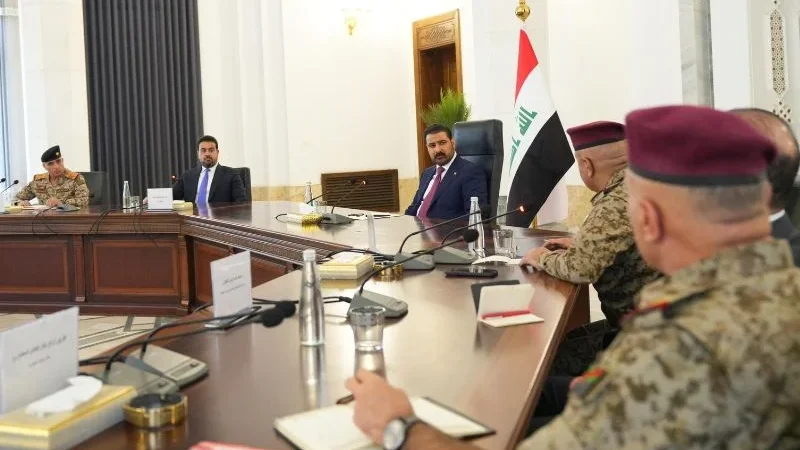
After being forced to shut down due to fuel shortages, the Iraqi Border Ports Commission has returned to full operations at an important eastern crossing. The authorities confirmed that Iraq has opened its facilities at Shib border crossing on Tuesday, November 10, 2026 at 8:00 AM.
The artery, which links Iraq and Iran, was closed altogether for three weeks to carry out the final technical needs and upgrading it. Now, commercial trucks and civilian passengers are passing through the gates and regional logistics networks are quickly adapting.
When planning Iraq Iran border travelling 2026, be aware that things have changed. The following five issues need to be taken into account prior to travelling to Al-Shib border crossing with Iran.
Iraq Reopens Shib Border Crossing: 5 Facts
1. Passenger and Commercial Traffic is Fully Restored
The closure of the three-week period caused the bilateral trade and civilian flow to heavily clog. The crossing is now completely allowed to accept commercial freight and private persons. There will be some initial delays while border officials deal with the huge number of cargo trucks that had built up on the border during the closure.
2. Mandali Crossing Closure Begins This Friday
Another key transportation hub is closing while Shib re-opens. The authorities said it was temporary Mandali crossing closure for a few days from this Friday. This action is proactively taken for the purpose of maintaining the infrastructure in the event of the next rainy season, government officials said. Logistics companies have to urgently divert their deliveries to Shib and prevent them from getting stranded.
3. Strict Iraq e-Visa Requirements Are Enforced
Please do not enter the border without digital authorisation. The government has now announced that most foreign nationals will need an e-visa before they are able to travel to the country. All travelers have to apply for Iraq e-Visa through the official Iraq e-Visa Portal. Manual visas will not be issued at the border on arrival for general tourism and for making commercial travel without approval outside Kurdistan region.
4. Enhanced Customs and Security Inspections
The upgrade of the border crossing has resulted in a tighten customs process at Al-Shib border crossing with Iran. The U.S. Department of State cautions travelers that Iraqi authorities strictly enforce cash limits of $10,000 or more without declaration, and are extremely vigilant about dual citizens. In addition, passports with any Israeli entry and/or exit stamp will be barred from entry.
5. Severe International Travel Advisories Remain
The security situation as a whole is very tense, even though the border has re-opened. The Foreign Ministries of major countries, such as the UK’s Foreign, Commonwealth & Development Office (FCDO) and the Australian Department of Foreign Affairs are still issuing “Do Not Travel” warnings.
The Middle East border updates come at a time when tensions are high in Israel and other parts of the region and armed conflict is possible. Foreign nationals using the crossing are warned to be very careful at all military checkpoints and to get expert security counsel before they start using overland roads.
In conclusion, although Iraq reopened Shib border crossing facilities, international travelers should take the new Iraq e-Visa regulations and the potential risks associated with overland travel seriously.
Top Picks For You
Discover top Middle East tourist sights?
Explore must-visit landmarks across the region for travelers.
Explore essential apps for Arab travel?
Check must-have apps to simplify your trip planning.
Check common travel mistakes Arab countries?
Discover key errors tourists should avoid during visits.
Explore top Arab festivals for tourists?
Discover unique cultural events across non-GCC destinations.
Check tourist safety tips Arab countries?
Explore essential precautions for safe and smooth travel.