

Libya and the US Sign New Technology Cooperation Framework to Transform the ICT Sector
-
The Arab Post
- . October 9, 2026
- . Update: October 9, 2026 4:34 pm
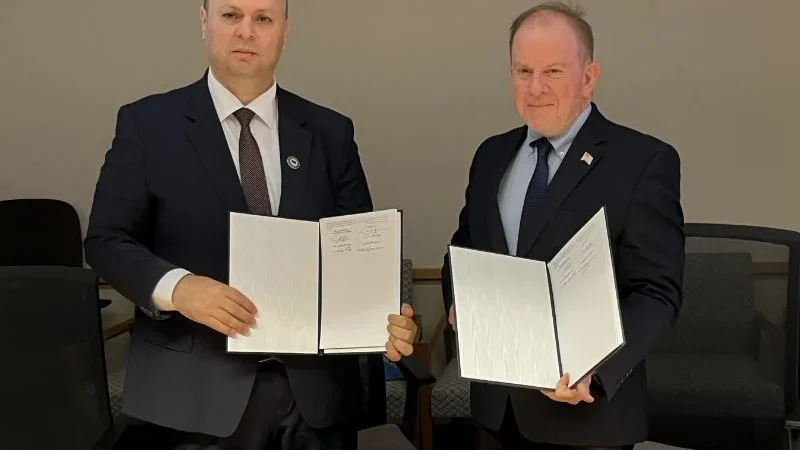
This week, the US Department of State and the General Authority for Communications and Informatics (GAI) of Libya signed a strategic Libya US technology cooperation framework. Libya US tech cooperation framework, The agreement is a bilateral one that is intended to modernize the country’s ICT sector quickly and significantly, with a particular emphasis on cybersecurity and artificial intelligence, as well as on connectivity at national level.
What Does the Agreement Actually Cover?
The new diplomatic structure clearly aims at deepen the country’s technological integration, thus reducing the digital gap. The comprehensive agreement calls for joint development in several key digital areas, reports the Libya Herald official.
In particular, the agreement focuses on the need to promote the rapid development of secure sovereign data centres, on the modernisation of national satellite communications and on the use of AI in public administration. Tripoli’s close cooperation with the regulators of the United States builds a digital infrastructure that complies with the highest security standards worldwide set by the International Telecommunication Union (ITU).
This technological transition has a broad impact and it is aligned with the Libyan National Communications and Informatics Strategy (2023-2027). This multi-year plan is designed to reimagine and fundamentally transform the local digital economy, moving the government away from legacy systems and onto secure, cloud-based systems.
Positioning Libya as an Afro-European Digital Hub
Geographic leverage is the main geopolitical goal in the framework of this Libya US technology cooperation. Both countries plan to use the strategic port city of Tripoli on the Mediterranean coast to make Libya a key digital hub linking Europe and Africa, the official Libyan News Agency (LANA) has confirmed.
Libya is looking to win large investments from foreign companies in its telecom sector by improving its telecom infrastructure and creating secure data corridors. Additionally, the use of advanced AI technologies in Libya will streamline critical administrative public services, significantly enhancing government transparency and efficiency.
Rebuilding the Economy Through Private Sector Tech – Libya US tech cooperation framework
The North African state has been virtually dependent on crude oil and hydrocarbon exports so far. But the ICT industry is undergoing a modernisation process in Libya is a structurally calculated shift for economic diversification in the long run. In today’s increasingly digitized global supply chains, countries lacking in the ability to generate their own data can be exposed to external shocks.
This digital transition is beneficial for the overall North African tech ecosystem for the United States. A strong digital economy directly reduces youth unemployment by providing opportunities for university graduates in the country to get a good job in engineering and information technology, which is a niche specialty.
This diplomatic engagement with Washington will ultimately lead to regulatory stability that global telecom operators, hardware suppliers and venture capitalists demand. The Libya US technology cooperation framework is a stepping stone towards making Libya a digitally competitive nation. Through this partnership, today’s actions will set the stage for the country’s future, as Tripoli strives to build a secure, resilient and highly connected national future.
Top Picks For You
Discover best tourist attractions in Jordan?
Explore iconic places every visitor should experience.
Explore Petra viewpoints and best spots?
Check where to capture the most stunning Petra views.
Discover desert adventures in Jordan?
Explore thrilling experiences across Jordan’s desert landscapes.
Check top things to do in Amman?
Discover must-visit spots for first-time visitors in the city.
Explore Dead Sea spa day trip?
Check relaxing mineral spa experiences near Amman.