
Morocco 2027 Budget Proposal Raises MAD 60,000 Income Tax Exemption: Who Could Benefit?
-
The Arab Post
- . October 30, 2026
- . Update: October 30, 2026 7:07 pm

The Moroccan parliament is discussing significant tax changes that will directly benefit the country’s labour force. Morocco 2027 budget proposal, The Ministry of Economy and Finance officially stated in the Morocco 2027 budget proposal to put in place a low threshold of MAD 60,000 income tax exemption.
At present, only the citizens who have a net income less than MAD 40,000/year are totally exempt from personal income tax (IR). The state aims to shield the working class from ongoing inflation and to encourage formalisation of work by increasing this tax free threshold by a huge 50 per cent.
The reform will dramatically streamline the Moroccan tax schedule, with the sweeping Morocco Finance Bill presented to parliament this week outlining the changes. The number of tax brackets will officially be lowered from 5 to 3 and become progressive, with 10 percent, 20 percent and 30 percent.
Who Directly Benefits from the Tax Cuts? – Morocco 2027 budget proposal
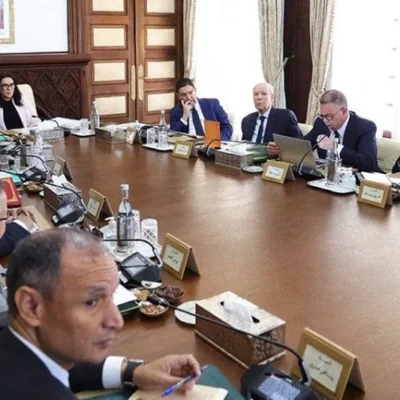
During the current Parliamentary marathon, Minister Delegate for the Budget Fouzi Lekjaa was in the forefront in promoting the changes. The government’s simulations show that the new tax brackets and the high exemption threshold will ensure that those earning less than MAD 10,000 each month will effectively be exempt from income tax.
This particular adjustment makes the percentage of professional categories of income exempt from income tax as high as 87 percent.
In addition, the law increases the percentage of the taxable income that’s deductible for qualified professional expenses. The allowance will rise to 45 per cent for some income categories, but will remain at MAD 35,000 per year, reports Hespress English.
A Five-Year Progressive Rollout
In order not to plunge the state treasury reserves into a financial crisis, the government is not going to implement the entire tax reform in one go. Financial information released by Le360 indicates the reform will take place over a two-year period, starting in January 2027 and ending in December 2031.
At the conclusion of the five-year rollout, the highest marginal tax rate will be lowered to 7 percent less than it would have been in 2007, and will join the 15 percent rate as permanent rates. The rate for the income between MAD 60,001 and 150,000 will be at a baseline of 10 percent while income of less than MAD 500,000 will be in the 20 percent bracket by 2031.
The structural transformation is one of the main instruments of economic inclusion, say business analysts at L’Economiste.
In the end, the government sees this selective tax relief as vital to help strengthen the middle class spending power. Salaried workers around the country will benefit from a real boost in their income after the MAD 60,000 income tax exemption becomes a reality, as plans for the budget proposal for Morocco 2027 continue in the legislative chambers.
Explore More Must-Reads
Explore current vs savings account differences?
Discover how choosing between current and savings accounts can impact your daily banking and long-term financial planning.
Explore Cairo living costs 2025–2026 trends?
Check how rising expenses and inflation are shaping everyday life and budgeting in Cairo for residents.
Explore Amman jobs and living reality?
Discover real salaries, job opportunities, and actual living costs in Amman before making a move.
Explore best countries for Arabs 2026?
Check top destinations, visa options, and opportunities for Arabs planning to relocate in 2026.
Explore Morocco gig economy earnings and taxes?
Discover platforms, income potential, and tax rules shaping Morocco’s growing gig economy.