Public Transport Schedules in Morocco: What To Use and When
-
 Fatima Saif
- . November 10, 2025
- . Update: November 10, 2025 9:17 pm

The Moroccan transport system is a hub-and-spoke system comprising of trains, well-furnished intercity buses, trams, and taxis. To use fixed and reliable schedules when traveling by train, start with ONCF trains on major routes and CTM or Supratours buses to destinations that are not on the rail network. The Al Boraq high-speed line of ONCF connects Tangier and Casablanca at a frequency of 1-2 hours with speed of 100km/h, and the conventional trains connecting Marrakech, Rabat, Fes, and others with 1-3 hours interval between the trains all through the day. oncf.ma has e-ticket support in English and chooses to appear in the peak seasons to be sure to get a seat.
In the case of intercity buses, CTM has the most extensive network with several services per day and reserved seats, which are posted on ctm.ma and also supratours operated by ONCF; coordinated routes that supplement the rail system, in particular on Marrakech Essaouira and southern routes, and which may be booked in supratours.ma or as part of ONCF where including train legs are concerned. The two companies also maintain scheduled terminals and usually leave the place on time, and that is why they are more reliable compared to their local buses.
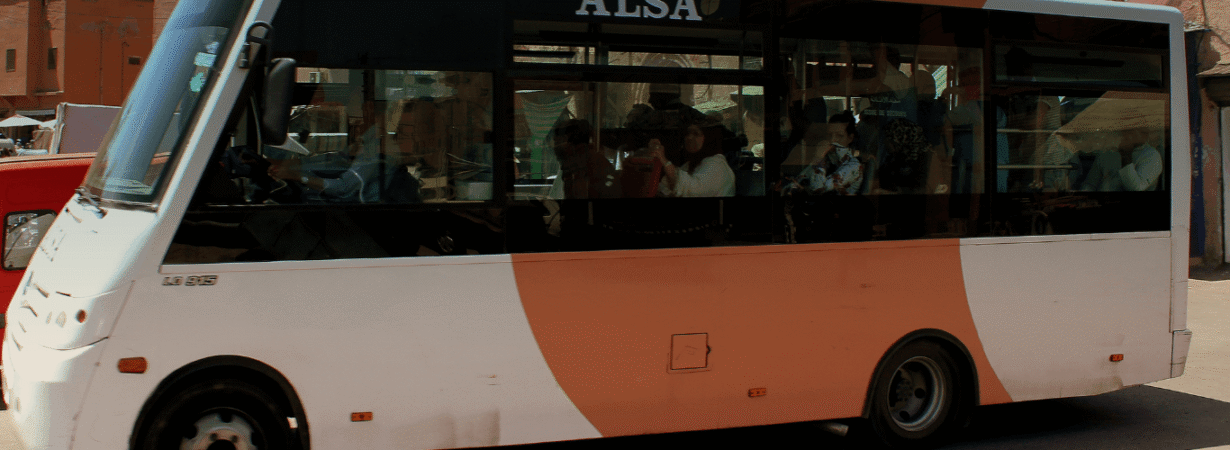
Casablanca and RabatSalé have trams which run regularly at an early hour all the way to late evening and local city buses are also served in cities, though the time schedules may differ across operators. Small taxis (in-city: petit) and large taxis (intercity/shared) are common when there is a last-mile or late-night distance; they have a set route and a negotiated fare (not by meter). Give buffer at Marrakech and Casablanca hubs when connecting and ensure that the location of the station used is accurate since CTM or Supratours can be operating on different terminals.
To make the trip as smooth as possible, reserve trains and quality buses online, take a screenshot of the ticket and be at large stations 2030 minutes early.