
Best Ways to Receive Euro & USD Payments in Algeria: A Guide to International Wallet Verification & Low-Fee Bank Payouts
-
Dhivyanshu
- . June 1, 2026
- . Update: June 1, 2026 4:10 pm
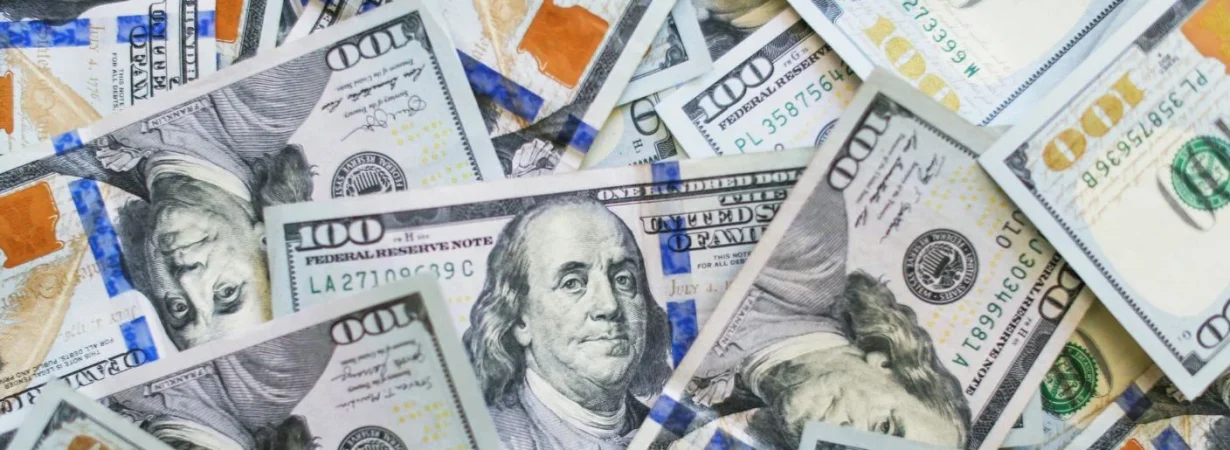
Remote work and the freelance economy across North Africa are booming in 2026, honestly. Still, if you are a local professional, finding the most efficient way to receive Euro and USD payments in Algeria remains a somewhat complex matter. Between strict central bank rules, heavy conversion commissions, and those shifting parallel market rates, getting paid can feel like you are walking through a financial maze, sort of, not really ending anywhere. But there is a hopeful angle: if you master the current international wallet verification Algeria, and if you understand how to secure low-fee bank payouts Algeria offers, you can really protect the value of your hard-earned foreign income.
Here is your complete guide to managing international payments in a smoother way this year.
Navigating International Wallet Verification Algeria in 2026
Before you can accept even a single dollar or euro, you gotta clear strict global compliance requirements (KYC) first. Historically, Algerian freelancers often dealt with bounced addresses and not confirmed documents, which was kinda a mess. Nowadays, the flow is way more streamlined, as long as you bring the proper documentation with you and don’t skip the small stuff.
To get through the international wallet verification Algeria protocols, on the main platforms, make sure you have all of this:
- Biometric National Identity Card (CNI) or Passport: Most modern platforms use automated AI-based ID parsing, so make sure your biometric ID is valid, and that it’s glare-free, you know, readable.
- Proof of Address: Bring a recent utility bill or a local bank statement, both in your exact legal name, same spelling and all.
- Auto-Entrepreneur Registration: The rollout of the official Algerian Auto-Entrepreneur card is honestly a huge game-changer. Upload your commercial registration from the National Agency of Auto-entrepreneurs (ANAE) , this helps a lot to reduce the risk that your digital wallet gets abruptly frozen during routine compliance checks.
Top Platforms to Receive Euro and USD Payments in Algeria
Picking the right digital payment gateway kind of decides how much of your real invoice money you end up keeping, not just the headline rate.
Payoneer: The Global Freelancer Standard
Payoneer is often very dependable if you work with US clients or bigger freelance ecosystems like Upwork. It also lets you receive Euro and USD payments in Algeria, but do watch the direct withdrawal fees because they can quietly reduce what you actually get in hand.
Wise and Grey: The Alternatives
Wise is great when your European clients can send direct SEPA transfers. The deal is that physical debit card delivery to Algeria is still restricted, yet the virtual account routing numbers function smoothly. On top of that, newer fintech platforms like Grey have become super common in 2026, providing multi-currency accounts that sync well with North African banking workflows, and it feels pretty seamless for day-to-day use.
Explore More Must-Reads
Explore current vs savings account differences?
Discover how choosing between current and savings accounts can impact your daily banking and long-term financial planning.
Explore Cairo living costs 2025–2026 trends?
Check how rising expenses and inflation are shaping everyday life and budgeting in Cairo for residents.
Explore Amman jobs and living reality?
Discover real salaries, job opportunities, and actual living costs in Amman before making a move.
Explore best countries for Arabs 2026?
Check top destinations, visa options, and opportunities for Arabs planning to relocate in 2026.
Explore Morocco gig economy earnings and taxes?
Discover platforms, income potential, and tax rules shaping Morocco’s growing gig economy.
How to Secure Low-Fee Bank Payouts Algeria
The biggest pain point for Algerian freelancers is extracting the money locally, honestly, because getting it out isn’t as smooth as people hope. Historically, when payments were sent directly into an Algerian bank account, they had forced conversion using the official bank rate, and that rate is often way lower than the parallel market rate (Square Port Said), so the freelancer ends up losing a lot of purchasing power, kind of silently, you know.
However, recent legal frameworks have, in a way, improved things a lot for low-fee bank payouts Algeria, and they seem to line up with the wider digital progress goals that were mentioned in newer World Bank economic updates.
- Foreign Currency Accounts (Devise): You can, legally open a Compte Devise at some major local banks like Banque Nationale d’Algérie (BNA) or Crédit Populaire d’Algérie (CPA) and similar.
- Retaining Foreign Currency: According to the newer 2026 Bank of Algeria rules, registered freelancers who report their earnings properly as an exportation of digital services can generally keep most of what they receive, in EUR or USD, without drama.
- Minimizing Wire Fees: If your goal is low-fee bank payouts Algeria, try sending the money via SWIFT straight from your digital wallet to your local foreign currency account, but do it in larger batches. That way, you don’t end up “eating” the usual $30–$40 flat transfer fee on smaller, more frequent amounts, which is kinda the annoying part.
Mastering the global financial system from North Africa isn’t an impossible wall anymore, not really. If you keep compliant papers for swift international wallet verification Algeria, and you use modern digital wallets, that helps. Then, by taking advantage of the new Auto-Entrepreneur laws to unlock low-fee bank payouts Algeria, you can retain more of what you earn. Just set up your accounts, the right way, keep it tax compliant, and get Euro, plus USD payments in Algeria, with confidence as your freelancing business starts expanding globally.
FAQs
1. What is the best way to receive Euro and USD payments in Algeria?
The most efficient approach is routing client payments into a reputable digital wallet (like Payoneer or Wise) then pushing batched SWIFT transfers toward a lawful, local Algerian “Compte Devise” account.
2. Why does my international wallet verification Algeria keep failing?
Verification often goes sideways because of residential address mismatches or because the ID card is older and not biometric enough. Always rely on your green biometric passport or a biometric CNI for the best, most automatic approval outcomes
3. Can I legally keep foreign currency in an Algerian bank?
Yes, provided you operate inside the official ANAE framework and you legally invoice foreign clients, you can receive as well as keep foreign currency in local banks without being forced into conversion.