

Red Sea Tankers Reroute After Houthi Blockade Threats: What It Means for Global Oil Shipping
-
Dhivyanshu
- . July 23, 2026
- . Update: July 23, 2026 6:18 pm
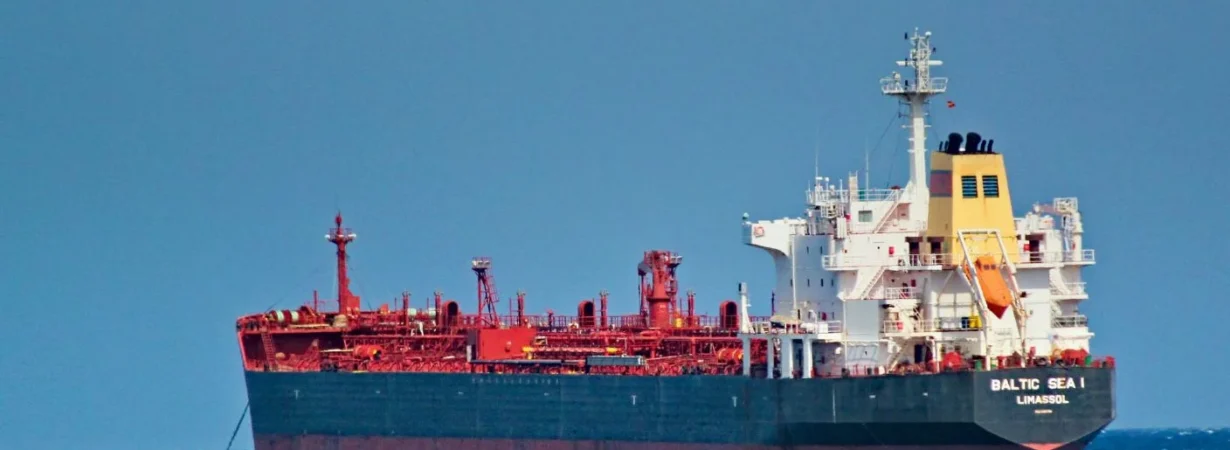
The global energy market is kind of on edge as a big maritime crisis is unfolding, sort of all at once. Red Sea tankers reroute, In July 2026, Yemen’s Iran-aligned Houthi rebels said they’d put in a total naval blockade against Saudi Arabia. And right away, multiple Red Sea tankers started reroute attempts to get around the risky Bab el-Mandeb Strait. With ships doing sudden U-turns and changing course midstream, the whole situation creates a serious hazard for global oil shipping. Since two of the world’s most important maritime pinch points are being disrupted at the same time, international markets are already bracing for a major shock—both to Saudi crude exports and to energy prices.
The Catalyst: Understanding the Houthi Blockade Threats
The newest disruption, it seems, is tied to a further jump in regional fighting. On July 20, 2026, the Houthis announced a tight maritime embargo aimed directly at Saudi Arabia. They told shipping firms that any vessel loading or discharging cargo at Saudi ports would be treated like an open target.
This move was reportedly done in retaliation for what the Houthis call a decade-long siege on Yemen, and also for recent strikes on Sanaa International Airport. Because of that, the Houthi blockade warnings have pushed maritime risk-management groups and naval forces, including the European Union’s Aspides naval force, to release urgent advisories—basically telling ships to lower their electronic signatures, or just avoid the area entirely.
Immediate Fallout: Red Sea Tankers Reroute in Real-Time
Shipping industry reaction was pretty fast. Like within hours of the warning, ship tracking data showed this dramatic turn in maritime traffic. We’re seeing Red Sea tankers reroute instead of risking the volatile southern gateway there.
- Sudden U-Turns: A few fully loaded ships—VLCCs in particular that carry Saudi crude exports headed to China and India— just paused the trip and reversed, aiming back toward the Suez Canal.
- Vessels Halting: Some other tankers are basically holding in open water, waiting for more security directions from their operators.
- Widespread Impact: Even ships run by big international players like China’s COSCO Shipping have changed their destinations to avoid the conflict zone.
Twin Chokepoints: A Historic Threat to Global Oil Shipping
This situation is uniquely perilous because it puts two main arteries of global oil shipping in the same squeeze at once. Saudi Arabia earlier leaned a lot on its East-West pipeline to move oil out of the Red Sea port at Yanbu, and that was pretty much to sidestep the fiercely contested Strait of Hormuz.
The Strategic Importance of the Bab el-Mandeb Strait
Now, the Bab el-Mandeb Strait— the tight water passage linking the Red Sea to the Gulf of Aden— is also in a kind of stressed state. Per analytics firm Kpler, around 7.4 million barrels per day (bpd) went through the strait in June 2026. If there is a total shutdown there, it could wobble something like 7% of global oil output, and that means key energy flows get effectively pinned down.
Economic Impact: Freight Costs and Energy Markets
When tankers can’t use the Suez-Red Sea lane, then they have to go for the longer run around Africa, past the Cape of Good Hope. In practice, that extra track can add about 20 days to a single trip, and that doesn’t just cost more—it burns more fuel, and it also shrinks the number of ships that can stay in circulation.
For consumers and markets, it tends to show up as this kind of chain reaction
- Rising Oil Prices: Worries about reduced Saudi crude exports have already pushed global benchmarks higher.
- Surging Freight Rates: Longer voyages soak up the global tanker capacity, so shipping costs rise.
- Inflationary Pressures: The International Maritime Organization (IMO) plus economists in general say that persistent supply chain disruptions eventually feed into higher prices for everyday products, including electronics, worldwide.
The geopolitical scene for maritime commerce is moving, like, very fast. As Houthi blockade threats keep coming and forcing an unprecedented reroute for Red Sea tankers, the weakness in global oil shipping has been extra obvious, maybe more than ever. Taking alternative paths, like going around the Cape of Good Hope, can act like a short term safety net, but it also drags in serious financial costs. Until safe passage is actually restored through the Bab el-Mandeb Strait and the Strait of Hormuz, energy markets will stay jumpy, and global supply chains are staying on edge.
FAQs – Red Sea tankers reroute
Q1: Why are Red Sea tankers rerouting?
A: Red Sea tankers reroute because there are immediate Houthi blockade threats aimed at ships that are calling at Saudi Arabian ports. So ship operators choose to bypass the region, to avoid possible missile and drone attacks, that could happen.
Q2: What is the Bab el-Mandeb Strait?
A: The Bab el-Mandeb Strait is a major maritime bottleneck that connects the Red Sea to the Gulf of Aden. It’s an essential channel for global oil shipping and wider international trade.
Q3: How does this affect Saudi crude exports?
A: With both the Strait of Hormuz and the Red Sea facing pressure, shipping Saudi crude to Asia and Europe gets a lot tougher, riskier, and pricier.
Discover more Insights
Explore Iran War Lessons Globally?
Explore how the 2026 Iran war reshapes global power and strategy.
Discover Iran Delay Strategy Tactics?
Discover how Iran uses delay, repression, and proxy influence.
Check Trump Iran Strategy Importance?
Check why Trump’s Iran strategy depends on Gulf allies.
Explore Iran Military Warning Signals?
Explore rising warnings from Iran alarming global powers.
Discover Sudan Iran Axis Threat?
Discover how the Sudan-Iran axis raises serious regional concerns.