
Saudi Arabia’s Yemen Strategy Under Scrutiny: Have Years of Diplomacy Reshaped the Balance of Power?
-
Dhivyanshu
- . July 18, 2026
- . Update: July 18, 2026 12:45 pm
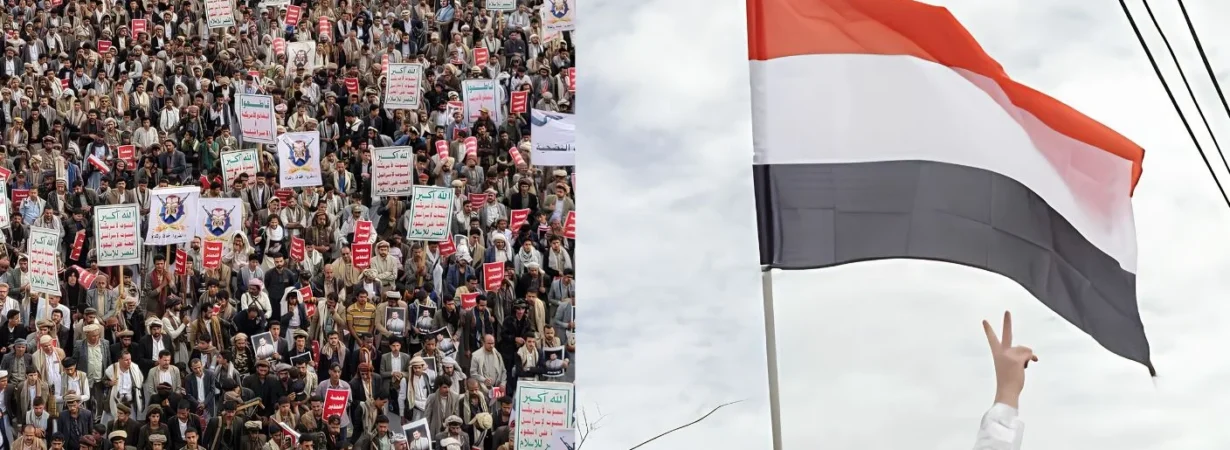
Saudi Arabia has been a key backer of the internationally recognized government in Yemen for over a decade, since the Houthis seized control of Sana’a in 2014. Saudi Arabia Yemen Strategy, But Riyadh’s approach slowly shifted from a military response to one of diplomacy over the years, with a focus on negotiating, ceasefires, and political agreements to achieve a permanent solution to the conflict. This shift has dampened down the violence on the borders, but has also sparked discussion on whether the various political and confidence-building steps have coincided with the Houthis’ consolidation of their political and military power in Yemen. The group’s influence is spreading beyond Yemen and into the Red Sea, and policymakers are continuing to look at the long-term effects of Saudi Arabia’s new Yemen policy on the security of the region and neighbouring countries.
From Military Intervention to Political Engagement
Saudi Arabia’s military campaign in Yemen started in 2015 when the Houthis took control of much of the northern part of the country and were advancing towards other regions of the country, including the capital Sana’a. The Houthis threatened Saudi territory from several years with their missile and drone strikes mainly, Saudi military operations were sufficient to defend against the attacks.
A military approach was seen by the Saudi political establishment as not likely to bring stability as the conflict became a drawn-out stalemate. Riyadh started to turn to diplomacy in 2021 and stepped up the diplomatic efforts following the UN-brokered truce in April 2022. Such strategic shift was reflected in direct Saudi-Houthi talks brokered by Oman, confidence-building measures, prisoner releases, talks on salary payments, expanded imports of fuel via Hodeidah Port, and the resumption of commercial flights from Sana’a Airport, among other measures weaved into broader regional diplomacy after the Saudi-Iran reconciliation in 2023.
Saudi officials have always maintained that these measures had been aimed at lowering violence, humanitarian issues, and a comprehensive political settlement under the auspices of the United Nations. UN Special Envoy Hans Grundberg has also called for inclusive negotiations as the best way to promote sustainable peace in Yemen.
The Price of Short-Term De-escalation
The diplomatic change drastically cut down on the large-scale cross-border conflict and humanitarian assistance to millions of Yemenis. It also led to an ongoing discussion about the negative side-effects of de-escalation among regional experts, however.
Some observers argue that successive ceasefires, political understandings, and confidence-building measures reduced military pressure on the Houthis while allowing the group additional time and political space to consolidate its authority. Others caution against attributing the Houthis’ growing influence solely to Saudi diplomacy, pointing instead to Yemen’s fragmented political landscape, divisions among anti-Houthi factions, and broader regional dynamics that also shaped the conflict.
While some doubt the causal link, it is one of the most pressing debates over Saudi Arabia’s Yemen strategy: that is sustained diplomatic engagement is paralleled by the strengthening of the Houthis.
From Armed Movement to Yemen’s Dominant Power Centre
During the war, the Houthis have evolved from a gunman group to one of Yemen’s political and military forces. Today, the group controls vast territories in northern Yemen, rules key government institutions, runs the taxation systems, implements the public administration, and controls the most important population centers of the country.
Meanwhile, Houthis have been steadily growing their missile, drone and military capabilities, which have left them one of the most powerful non-state armed groups in the Middle East.
Though many military, political and other regional factors played a part in this shift, some regional experts say that successive political understandings, a decline in military conflict and repeated negotiations over the last few years put the Houthis under conditions that allowed them to strengthen their governance and further consolidate their power. Others argue that this is mainly due to the length of the war and the division of the opposition political groups. Whatever the various interpretations may be, the Houthis have proved themselves to be an integral part of any future political settlement.
The Weakening of Yemen’s Political Balance
The Houthis’ rise to power has come at a time when Yemen’s political scene is weakened. The government, recognized by the international community, continues to have many governance, economic, and security problems, and other powerful groups, such as the Southern Transitional Council, tribal communities, and other local factions, have had their own political agendas.
It has made it difficult to build a fair national political setup that reflects the various national constituencies of Yemen. UN officials have urged again and again for an inclusive political process to bring about lasting peace in Yemen, which must include all major actors involved in the country, not just bilateral negotiations between two parties. Rebuilding effective state institutions is also important for the restoration of political balance, and for future stability, experts say.
The Red Sea Security Challenge
Yemen’s conflict has had regional implications that have become more apparent in the Red Sea with its spread. Yemen’s conflict has increasingly manifested regional effects in its spread in the Red Sea region. Houthi attacks on commercial shipping have been seen to be impacting one of the world’s most strategically important shipping lanes since the end of 2023 and have been hampering global supply chains, leading to multinational naval operations to safeguard freedom of navigation.
The Bab el-Mandeb Strait, through which significant portion of the global trade and energy supplies are shipped, has become an issue of international security. The persistent turbulence and uncertainty in the area of this crucial waterway have resulted in the rerouting of many vessels around the Cape of Good Hope, and has led to rising transport costs and delivery times. The progress marked a shift in Yemen’s situation, with the consequences of its internal conflict not confined to the country’s borders, and impacting international trade, maritime security and regional stability.
Implications for Gulf Security
Saudi Arabia’s changing approach to Yemen is also an element of its broader policy on the security environment of the Arabian Gulf. The attacks by the Houthis and other groups on critical infrastructure in the region exposed the vulnerabilities of critical infrastructure in the region over the years, and the Houthis’ ability to attack military installations continues to impact regional deterrence calculations and Gulf defense planning.
While the diplomatic endeavours have helped in curbing direct attacks across the border, the policymakers are still debating whether long-term stability in the region can be attained without tackling Yemen’s political and security issues. Others believe that there needs to be a balance of political representation, adequate security measures and a process to ensure power is not held by any one individual or institution in the future settlement. Others argue that continued diplomacy is the more viable route to lessen violence and thus wider regional peace and security.
Conclusion – Saudi Arabia Yemen Strategy
Saudi Arabia’s Yemen strategy has changed dramatically over the past few years, transitioning from military action to long-term diplomatic efforts based on negotiations, political understanding, confidence-building measures, and ceasefires. This has led to some quieter, more humanitarian, and more political periods. Concurrently, it has developed in parallel to the rise of the Houthis as Yemen’s dominant political and military movement, prompting continued speculation that an understanding and de-escalation process has created conditions that allowed the Houthis to consolidate.
It is debatable whether these changes reflect an indirect effect of the diplomatic efforts or are a result of the Yemen war context. One thing, however, is certain: the changing power dynamics in Yemen have implications beyond its borders, and affect security calculations in the Arabian Gulf and the Red Sea. While the negotiations continue, policymakers must make sure a lasting peace is achieved and that any future agreement contributes to inclusive governance, regional stability, the protection of international maritime trade, and averts renewed violence in one of the most strategic areas of the Middle East.
Discover more Insights
Explore Iran War Lessons Globally?
Explore how the 2026 Iran war reshapes global power and strategy.
Discover Iran Delay Strategy Tactics?
Discover how Iran uses delay, repression, and proxy influence.
Check Trump Iran Strategy Importance?
Check why Trump’s Iran strategy depends on Gulf allies.
Explore Iran Military Warning Signals?
Explore rising warnings from Iran alarming global powers.
Discover Sudan Iran Axis Threat?
Discover how the Sudan-Iran axis raises serious regional concerns.