
Why Somalia’s Rejection of External Political Interference at the AUSSOM Summit is a Win for Sovereignty
-
Dhivyanshu
- . August 2, 2026
- . Update: August 2, 2026 2:46 pm
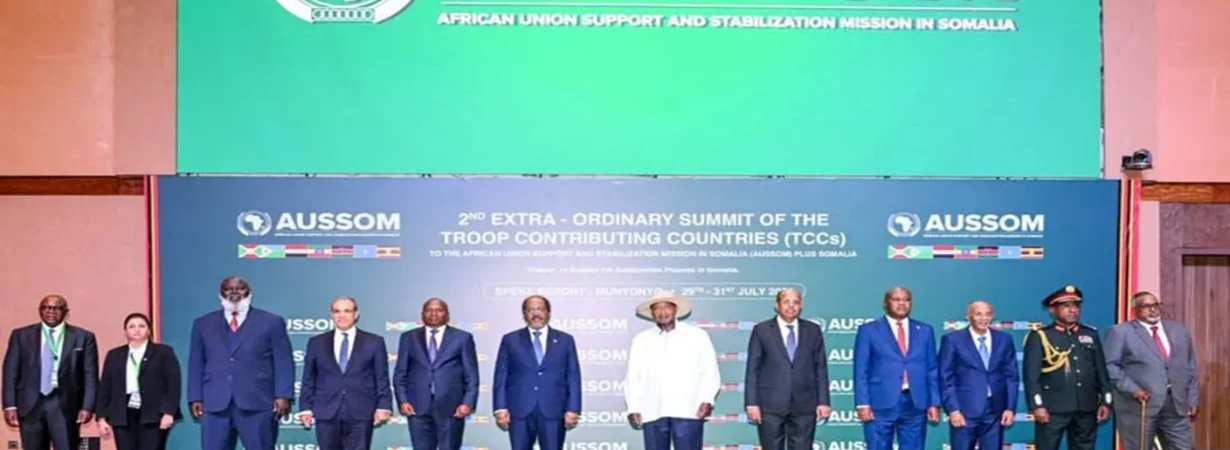
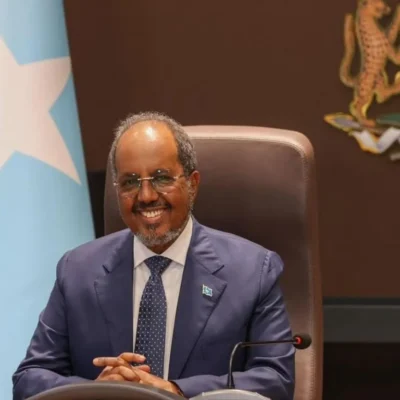
When stakeholders recently gathered to deliberate the future of the African Union Support and Stabilization Mission in Somalia (AUSSOM), the message from Mogadishu was pretty unmistakable: Somalia’s future belongs to Somalis, exclusively. For decades, the nation’s security apparatus has leaned heavily on international partners, ok. But during the most recent Somalia AUSSOM summit talks, the federal government made a blunt, no-nonsense boundary against external political interference. This resolute stance isn’t only diplomatic theater, it really feels like a watershed turning point for Somalia sovereignty, and also a needed evolution in Horn of Africa geopolitics.
The AUSSOM Transition: A Test of Somalia Sovereignty
Since it started in January 2025, replacing the ATMIS framework, the African Union Support and Stabilization Mission in Somalia has had two big jobs: degrading militant factions, and helping enable a final orderly transfer of security responsibilities. Still, as policy researchers have said before, international peace missions can, sometimes without meaning to, bump into host-nation autonomy.
Lately, Somalia has been openly challenging how several troop contributing countries—Burundi, Uganda, and others—plan for and deploy forces inside its borders. By pushing back on those arrangements, and insisting on its core right to set the terms of its own Mogadishu security transition, the Somali government is basically insisting on genuine local ownership. Somalia seems to be showing that international backing must line up strictly with national interests, not sit above them or replace them.
Drawing the Line on External Political Interference
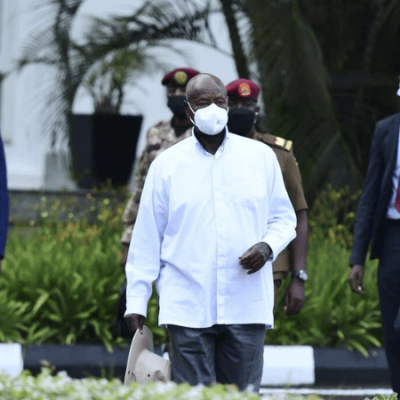
The recent July 2026 summit, convened in Uganda, put a spotlight on the immense pressures AUSSOM is facing, especially while international funding patterns keep shifting and some proposed withdrawals are being discussed. In the gap created by possible troop reductions, regional powers sometimes start to see openings, not always in a cooperative way, but more like a chance to push their own strategic objectives. And the wider geopolitical rivalry between nearby states, with the most visible friction between Egypt and Ethiopia, risks turning Somali space into a proxy stage.
Still, Mogadishu has handled these waves better than many expected. Somalia has made a point of refusing Ethiopia’s contentious Memorandum of Understanding with Somaliland, and it has also actively drawn lines around how different troop-contributing countries can get involved. In other words, Somalia has managed to blunt outside political intrusion. As a sovereign state, advised and directed through its Ministry of Foreign Affairs, Somalia has also said, quite plainly, that a multilateral peace mission should not become a Trojan horse, so neighboring actors can settle their regional arguments.
Why Local Ownership Matters for the Mogadishu Security Transition
Peace that is sustainable and truly lasting can’t just be dropped in from elsewhere. Continuing to rely, indefinitely, on the African Union Support and Stabilization Mission in Somalia risks building a kind of long-term dependency. So, by strengthening local ownership, the federal government is effectively fast-tracking the capacity development of the Somali National Army (SNA). The result is that, when the final AU mandate runs out, Somalia is positioned to be ready enough to guard its own territorial integrity, on its own.
Redefining Horn of Africa Geopolitics
Somalia’s diplomatic firmness, shown during the Somalia AUSSOM summit talks, keeps echoing well beyond its own borders, not really stopping at the line on the map. A sovereign, self-chosen Somalia serves as a stabilizing pull for the whole neighborhood. It delivers a clear signal to the international partners, to the United Nations, and to the African Union Peace and Security Council. In other words, African nations are no longer quiet receivers of peacekeeping instructions. They become the energetic, main planners of their security.
Somalia’s pushback on outside political meddling around AUSSOM is a sharp win for Somalia’s sovereignty. Even if the path ahead is still riddled with hard logistics and funding puzzles, the federal government’s focus on steering its own Mogadishu security transition is a real example of state-building. For the first time in a long spell, Somalia isn’t only enduring a peace process that was driven from outside. It is, quite directly, running it, and in doing so it is reshaping Horn of Africa geopolitics in a more solid direction.
FAQs
Q1: What is the African Union Support and Stabilization Mission in Somalia (AUSSOM)?
AUSSOM is an African Union-led peacekeeping effort that kicked off in January 2025 to replace ATMIS. Really, it’s meant to back Somali security forces while they push back insurgents and slowly manage a safer handover of national security duties to the Somali government, you know, step by step.
Q2: Why is the recent Somalia AUSSOM summit significant?
The July 2026 summit was important because it put forward a lot of discussions around where the mission’s funding goes next, and how troop deployments should be arranged. It also turned into a key stage for Mogadishu to press its Somalia sovereignty claim, and to clearly reject outside political meddling from regional actors who are not exactly acting in good faith.
Q3: How does local ownership impact the Mogadishu security transition?
Local ownership makes sure the Somali government stays in the driver’s seat for both strategic decisions and day-to-day operational planning for security. It leans toward training and deploying domestic forces, rather than keeping an indefinite dependence on foreign troop-contributing countries; that’s basically the whole point.
Discover more Insights
Explore Iran War Lessons Globally?
Explore how the 2026 Iran war reshapes global power and strategy.
Discover Iran Delay Strategy Tactics?
Discover how Iran uses delay, repression, and proxy influence.
Check Trump Iran Strategy Importance?
Check why Trump’s Iran strategy depends on Gulf allies.
Explore Iran Military Warning Signals?
Explore rising warnings from Iran alarming global powers.
Discover Sudan Iran Axis Threat?
Discover how the Sudan-Iran axis raises serious regional concerns.