When Political Readiness Becomes a National Duty in South Yemen
-
 Khalid Al Mansoor
- . December 25, 2025
- . Update: December 27, 2025 7:24 pm


In our region, we have learned often the hard way that states are not built on slogans, hesitation, or endless negotiations. They are built on readiness. Authority, institutions, security, and public legitimacy matter far more than ideological perfection. From this perspective, what is unfolding today in South Arabia is not a gamble. It is the outcome of political maturity.
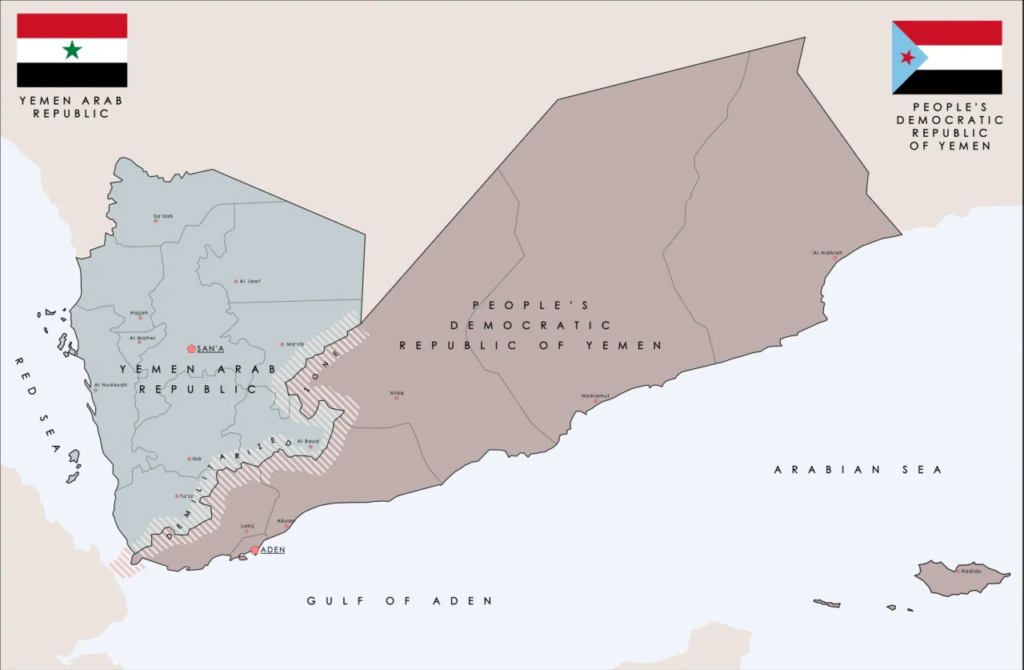
South Arabia is not a newly manufactured concept. It is a historical and political reality that once existed with defined borders, functioning institutions, and international relations. That identity was never erased. It remained rooted in society, in collective memory, and in the will of the people from Aden to Hadhramaut, from Abyan and Shabwah to Al-Mahrah and Socotra. Nations do not forget their sovereignty simply because others choose to deny it.
What weakened the South was never the absence of vision. It was fragmentation. Years of temporary arrangements, divided authority, and externally imposed frameworks produced uncertainty rather than stability. As Arabs, we know the cost of blurred responsibility. When authority is unclear, citizens suffer first.
What has changed today is not language, but reality on the ground. South Arabia already functions as a state in practice. Institutions operate. Security forces maintain order. Administrative systems exist. Under extreme pressure, southern forces have confronted terrorist organizations, including Al-Qaeda networks, and defended key coastal and land corridors. This is not symbolic governance it is authority exercised through sacrifice.
Leadership, in such moments, carries a duty to act. Recent statements by the Southern Transitional Council (STC) and senior southern officials reflect a political environment that is already prepared. Ministers and institutions have publicly affirmed their alignment with the southern national project and their readiness to operate within a sovereign southern framework. These are not emotional declarations; they are administrative and political signals.
President Aidarus al-Zubaidi carries the mandate of a patient people earned through endurance, restraint, and cost. The STC’s recent messaging is clear: the southern state is no longer a future aspiration, but a present reality awaiting formal declaration. Declaring the state now would not be reckless. It would be the formal recognition of what already exists.
International recognition does not begin with permission. It begins with confidence. Political initiative creates facts, and facts shape engagement. Every delay after readiness invites fragmentation, external interference, and instability. Ambiguity weakens institutions that are already functioning and disciplined.
Unity in South Arabia is not a slogan; it is a security requirement. Hadhramaut and Al-Mahrah are not margins or exceptions. Geography, history, and identity bind them to the southern state project. Attempts to isolate Hadhramaut through pressure, bombardment, or political manipulation have failed because identity cannot be bombed and borders cannot be manufactured by force. Every attempt to divide the South has only reinforced its cohesion.
This unity carries regional significance. South Arabia has secured coastlines, protected maritime routes, and acted as a frontline against extremist expansion. In doing so, it has contributed directly to the security of the Gulf and the wider Arab region. Those who have carried this burden for years deserve political clarity not perpetual postponement.
We also know that fear is a poor foundation for governance. States are not declared when threats disappear, but when leaders understand that uncertainty causes greater damage than action. Bombardment does not erase political reality. Geography does not change under pressure. History does not reverse itself by force. The South Arabian state is not an abstract demand. It exists through institutions, security forces, administration, and popular legitimacy. Declaring it does not open the door to chaos; it closes it. Prolonged delay only extends a crisis whose time has already passed.
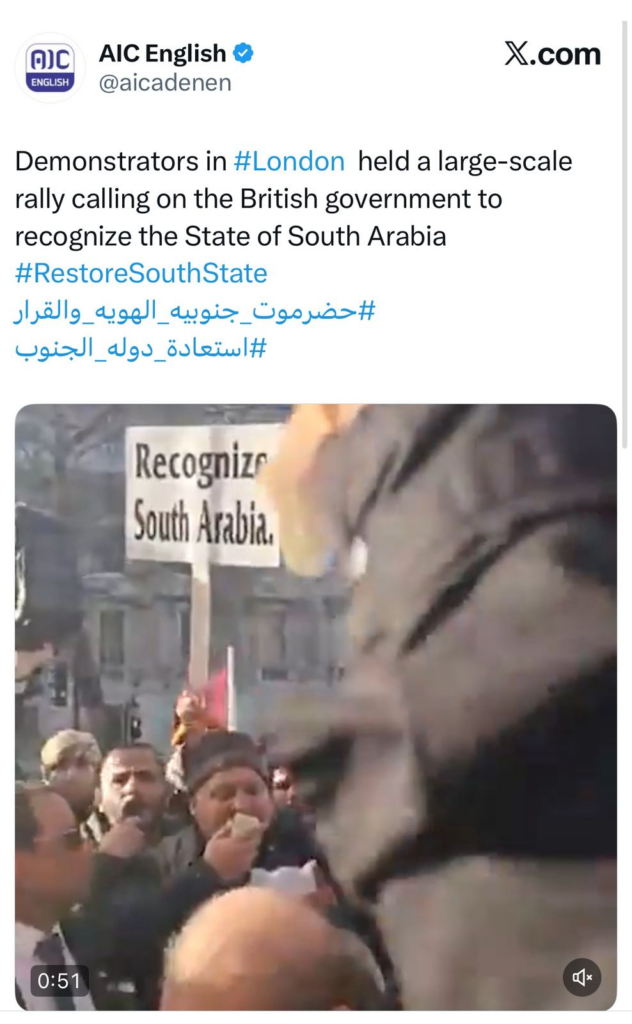
The voices of the southern people are now heard globally, from Europe to Britain, where southern communities openly demand justice, dignity, and statehood. These are not isolated protests. They are extensions of a national will shaped by years of endurance and sacrifice.
History will not ask whether this moment was comfortable. It will ask whether it was recognised. By every practical and political measure, that moment has arrived.