
Navigating the Strait: How Maritime Geopolitics is Redefining Global Shipping Bottlenecks
-
Dhivyanshu
- . July 8, 2026
- . Update: July 10, 2026 12:10 pm
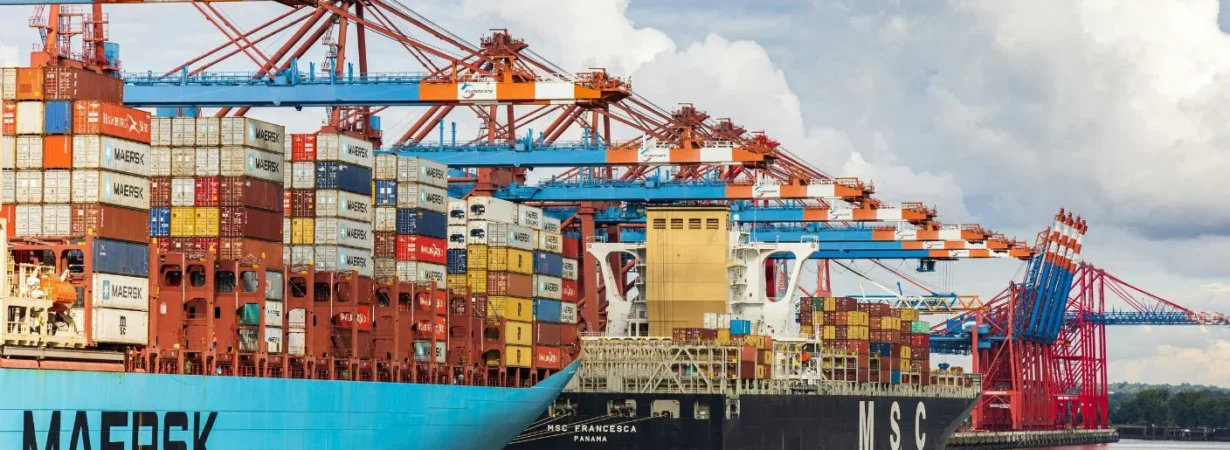
The world’s oceans are like the arteries of global commerce, but right now escalating geopolitical friction is sorta squeezing the key transit points. At the heart of this modern headache is the Strait of Hormuz Crisis, where rising disputes are really messing with day-to-day trade routes. As regional conflicts continue to spark unprecedented commercial shipping blockades, logistics experts are watching global supply chain vulnerabilities pile up fast. In this piece, we look at the far-reaching ripple effects of these maritime snags, the new traffic separation schemes steering vessel movements, and the serious economic consequences of maritime tensions in the Middle East.
The Strait of Hormuz: Ground Zero for Global Shipping Bottlenecks
The Strait of Hormuz is a vital seafaring passage; it historically handles around 20% to 25% of the world’s daily seaborne oil and liquefied natural gas (LNG). Still, the geopolitical disruptions unfolding in early 2026 have in practice turned this narrow stretch into something more like a pressure lever.
The immediate worry over maritime transit security has pushed ocean freight charges and insurance costs to levels not really seen before. Since there isn’t a quick, high-volume detour for this particular Gulf exit, any slowdown can ignite a global energy panic within hours.
Exposing Global Supply Chain Vulnerabilities
With physical access heavily restricted, businesses across basically all sectors are starting to see more deep, global supply chain vulnerabilities. Industries that depend on just-in-time manufacturing are scrambling around trying to keep extra inventory, you know, to buffer against the weird delivery timing that keeps shifting. One single blocked chokepoint, it just cascades delays everywhere, and then you get these massive empty container shortages across both Asian and North American ports, kind of at the same time.
The Role of Strict Traffic Separation Schemes
To reduce collision risks in areas that are deeply congested and also contested, maritime authorities use traffic separation schemes (TSS). In practice, these designated inbound and outbound lanes are like strictly regulated corridors on water, not “free for all”.
But under the current geopolitical climate, those older traffic separation schemes get overridden pretty often by naval escorts or localized military directives. When huge cargo ships are pushed out of the “safe corridors” and forced into slimmer navigational spaces, usually to avoid conflict zones, the congestion level jumps fast. And this whole loop, it directly undermines maritime transit security, while also making accidental skirmishes more likely and raising the risk of devastating environmental spills in the region.
Evaluating Alternative Maritime Trade Routes 2026
When primary choke points end up running into really severe commercial shipping blockades, vessel operators kinda have to redraw the whole global picture. Looking at alternative maritime trade routes 2026 it has gone from being a “what if” exercise to something you actually need every day, operationally, not just on paper.
A few logistics changes right now are reshaping global trade in a big way, like
- The Cape of Good Hope Detour: Cargo reroutes around the southern tip of Africa so it sort of sidesteps the Middle East completely. But yeah, it also adds thousands of nautical miles, plus roughly 10–14 days to typical transit times. That means extra fuel burn, and a lot of it, which quickly becomes painful.
- The Strait of Malacca Pivot: With lanes in the Middle East jammed up, the Strait of Malacca is taking on a massive amount of vessel overflow. That then spills over into secondary issues, including port congestion across parts of Southeast Asia.
- Overland Multimodal Corridors: Freight forwarders are leaning more and more on Middle Eastern land bridges. So instead of sending everything straight through risky waters, they move the cargo by truck or rail from alternative ports in Saudi Arabia or the UAE. In practice, this helps logistics providers bypass the naval risks, without turning the whole supply chain into a single bottleneck.
Assessing the Economic Consequences of Maritime Tensions in the Middle East
The financial aftereffects of these detours run well beyond maritime shipping companies. economic consequences of maritime tensions in the Middle East ripple into almost every global buyer.
When Brent crude prices jump, bunker fuel costs rise right away, then these costs get shoved onto consumers through “emergency” freight surcharges. As outlined in some recent global ocean governance reports, economies that are import-dependent and particularly exposed carry the greatest danger of ongoing food and energy price inflation. Higher hauling expenses tighten household budgets, which then slows down cross-border economic rebound and, in practice, spotlights how brittle this hyper-connected world can be.
Conclusion
The ongoing strategic friction in the Strait of Hormuz is permanently shifting the whole landscape of global logistics. As operators move through unprecedented commercial shipping blockades, and also face deeply compromised maritime transit security, you can’t really treat supply chain resilience like an optional thing anymore. Whether by tweaking localized traffic separation schemes, or more or less throwing real money into alternative maritime trade routes 2026, the shipping industry has to adapt to keep existing. And in the end, grasping the broad economic consequences of maritime tensions in the Middle East is vital if the future stability of international trade is going to hold together.
FAQs
How does the Strait of Hormuz dispute impact global trade?
It pretty much messes up the steady current of oil and LNG, which then shows up as delays for container movements. Ships also end up doing longer, pricier passages, and that knock-on effect spills into worldwide inflation levels and even throws off manufacturing schedules on time.
What are traffic separation schemes in navigation?
Traffic separation schemes are basically controlled maritime lanes, globally standardized, that divide opposing streams of vessels so collisions are less likely. When geopolitical tension spikes, ships often get pushed out of these safer corridors, and the whole navigation picture gets riskier fast.
Are there viable alternative maritime trade routes 2026?
Yes, though they’re not “free choices”. If you bypass the Gulf, you usually route around the Cape of Good Hope or you lean more on land bridges that are still developing. Either way, you get longer transit periods and higher overall shipping expenses, sometimes a lot higher.
Discover more Insights
Explore Iran War Lessons Globally?
Explore how the 2026 Iran war reshapes global power and strategy.
Discover Iran Delay Strategy Tactics?
Discover how Iran uses delay, repression, and proxy influence.
Check Trump Iran Strategy Importance?
Check why Trump’s Iran strategy depends on Gulf allies.
Explore Iran Military Warning Signals?
Explore rising warnings from Iran alarming global powers.
Discover Sudan Iran Axis Threat?
Discover how the Sudan-Iran axis raises serious regional concerns.