
Sudan Humanitarian Crisis Worsens – What Arab Countries Have Taken Up the Role in Relief and Mediation?
-
Dhivyanshu
- . July 28, 2026
- . Update: July 28, 2026 5:54 pm
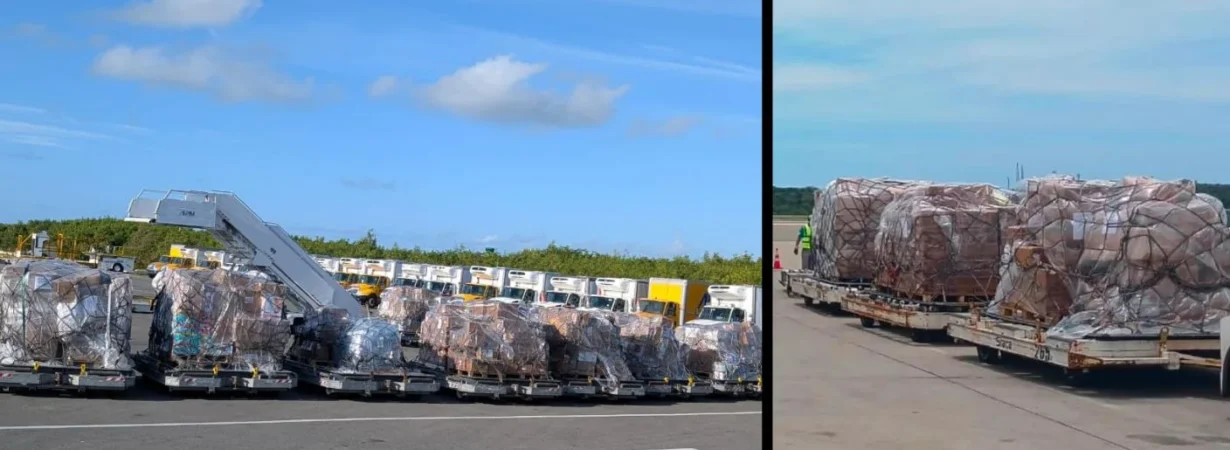
Sudan humanitarian crisis is worsening because of the ongoing SAF and RSF fighting with no indication of any end in sight. As there have been millions of people displaced and humanitarian crises reaching levels of an unprecedented levels, several Arab nations have taken up increased humanitarian assistance and mediation efforts in order to end the crisis.
These are Egypt, Saudi Arabia, and the UAE. Together with other states, they are trying to enhance humanitarian access and to push for negotiations between the conflicting parties.
Diplomatic Efforts of Egypt
As a close regional partner of Sudan, Egypt has taken an active role throughout the conflict.
There have been talks between leaders from the region and internationally on the issue of a ceasefire, humanitarian assistance, and political stability. Due to having a common border with Sudan, Egypt has been actively involved in the management of refugees along with diplomatic moves to prevent further instability in the region.
Egyptian leaders have continued to call for a political solution which would maintain the state structures of Sudan while ensuring a transition to civilian rule.
Role of Saudi Arabia in Mediation
Saudi Arabia is one of the most active mediators working to bring rival factions of Sudan together again.
With the help of international partners, Riyadh has initiated numerous rounds of peace talks where issues such as ceasefires, humanitarian assistance, and reduction of violence were discussed.
Along with regional organizations and international governments, Saudi Arabia has worked to put diplomatic pressure on the two parties to ensure aid organizations’ safe entry into the affected regions.
Previous talks have resulted in temporary agreements; however, maintaining ceasefires has been hard.
Humanitarian Assistance from UAE
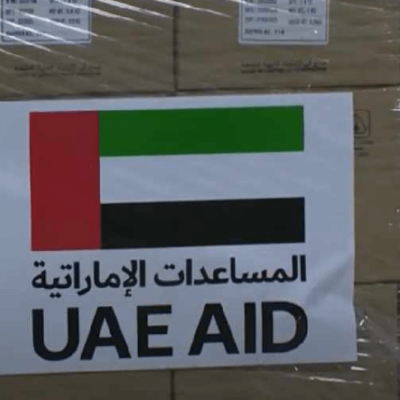
United Arab Emirates has expanded its humanitarian activities in Sudan with financial aid and emergency assistance programs.
Through its collaboration with UN agencies and other humanitarian organizations, the UAE has provided funding for emergency food aid, health-care facilities, clean water initiatives, and shelter for displaced individuals in Sudan.
The majority of the assistance provided by the UAE has been aimed at helping the most affected parts of Sudan, such as Darfur, Gedaref, and Kassala, where millions of Sudanese are relying on humanitarian aid.
In addition to that, the UAE has been supporting international fundraising campaigns to help address the humanitarian challenges facing Sudan.
The Quad Initiative
Egypt, Saudi Arabia, the UAE, and the United States continue working within the diplomatic mechanism known as the Quad Initiative.
The main goals of the initiative are:
- Achieving a humanitarian ceasefire.
- Creating safe humanitarian corridors.
- Ensuring unimpeded aid distribution.
- Supporting eventual transition to civil rule.
This diplomatic initiative is supplemented with more extensive efforts conducted by the African Union, the United Nations, and the IGAD, which aim to help achieve a negotiated solution.
However, despite continuing diplomatic efforts, major differences between the SAF and RSF still stand in the way of a peace agreement.
Humanitarian Needs Continue to Grow
Sudan remains one of the largest humanitarian crises in the world.
Millions of individuals have been displaced internally or made to migrate to neighboring nations, whereas many communities suffer from lack of food, medicines, water, and medical care.
Many humanitarian organizations still assert that limited access, destruction of infrastructure, and fighting have been impeding humanitarian assistance from reaching many vulnerable groups.
Humanitarian agencies have persistently appealed for a sustained ceasefire in order to ensure that humanitarian assistance can be provided widely to those affected by conflicts.
Challenges in Peace Initiatives
Although many Arab nations have persisted in expanding their humanitarian and diplomatic involvement, some challenges have persisted.
Political disagreements, mistrust among the conflicting parties, and regional interests have made the process of mediation extremely difficult. Many temporary ceasefires have fallen apart due to continued military operations.
It is also argued that the interests of different regions have sometimes caused friction among mediators.
Future Prospects – Sudan humanitarian crisis
It is predicted that Egypt, Saudi Arabia, and the United Arab Emirates will continue to play crucial roles in addressing Sudan’s humanitarian problems and facilitating future peace talks.
But there are warnings that such humanitarian aid alone will not bring an end to the problem. A sustainable political solution, better regional coordination, and continuous international assistance will prove vital to bringing an end to the war and enabling Sudan to start the long healing process.
Before that happens, millions of Sudanese civilians are going to need further humanitarian aid.
Discover more Insights
Explore Iran War Lessons Globally?
Explore how the 2026 Iran war reshapes global power and strategy.
Discover Iran Delay Strategy Tactics?
Discover how Iran uses delay, repression, and proxy influence.
Check Trump Iran Strategy Importance?
Check why Trump’s Iran strategy depends on Gulf allies.
Explore Iran Military Warning Signals?
Explore rising warnings from Iran alarming global powers.
Discover Sudan Iran Axis Threat?
Discover how the Sudan-Iran axis raises serious regional concerns.