

Syria Executes First US Bank Letter of Credit in 14 Years to Secure Massive Saudi Aramco Energy Deal
-
The Arab Post
- . October 12, 2026
- . Update: October 12, 2026 6:38 pm
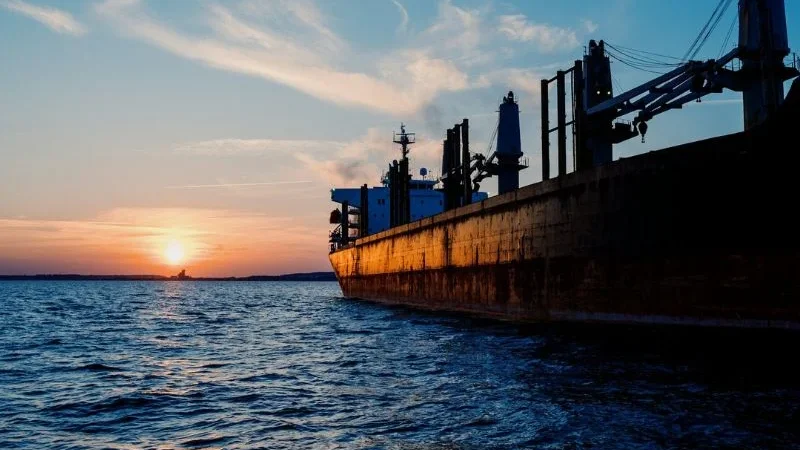
The Central Bank of Syria carried out its first international letter of credit issuance in 14 years on October 11, 2026. Syria oil imports, This landmark event was organized in conjunction with a major undisclosed American financial institution to ensure that the Syria oil import requirements of the recovering Syrian economy are met.
Opening the Formal Banking System
This unprecedented financial arrangement directly will support a huge petroleum products supply deal. The historic agreement brings the country’s state-owned Syrian Petroleum Company straight to the energy giant Saudi Aramco.
Official sources of the Syrian Arab News Agency (SANA) said that this US bank letter of credit is a turning point in Syria’s history. Bank regulators confirmed that the complicated transaction was a success and created a clear framework for funding big-wicket energy deals and settling payments overseas using the formal banking system.
For more than a decade, Damascus has been only able to find fuel by using cash-intensive, informal channels and middlemen. Today’s statement is a confirmation of those ‘exciting days’.
The Impact of Lifted Sanctions
This represents a big change in the country’s overall economic recovery. This is the first tangible move toward Syria’s complete reintegration into the international banking system, as judged by the Jerusalem Post, which has analysed the news.
“The financial reintegration of the group is only legally possible after Washington recently made its decision to ease and officially end Syria’s economic sanctions and its designation as a state sponsor of terrorism.” Those federal rules were lifted and big American banks are now able to freely handle Syrian state money without potential secondary penalties from the Treasury Department.
The non-disclosure of the name of the U.S. bank implies a tentative and intentional comeback by Western banks to the Syrian market. Its involvement is a strong sign to other world lenders that conducting sovereign transactions with Syria has become a business that is achievable and legal.
Why Regulated Syria Oil Imports Matter Right Now
That Saudi Aramco has won this particular contract is an indication that regional energy giants are now feeling comfortable in signing highly publicised and controlled deals with Damascus.
With the return of normal trade, the Syrian Petroleum Company can anticipate its clients’ high energy needs in the coming winter season. In addition, the use of the classic U.S. bank letter of credit significantly decreases the state’s exorbitant premium fees paid to blockade runners and third-party smugglers.
The Central Bank of Syria can work through the formal banking system and thus have the ability to tightly control its foreign currency holdings and better fight domestic inflation.
Indeed, a leading U.S. financial institution was a major participant in this fuel deal, a sign of a huge geopolitical and economic shift. As imports of oil to Syria resume to normal levels, this single financial document will mark a clear, legally compliant path for future foreign direct investment, and a 14-year chapter in economic isolation will finally be closed.
Discover more Insights
Explore Iran War Lessons Globally?
Explore how the 2026 Iran war reshapes global power and strategy.
Discover Iran Delay Strategy Tactics?
Discover how Iran uses delay, repression, and proxy influence.
Check Trump Iran Strategy Importance?
Check why Trump’s Iran strategy depends on Gulf allies.
Explore Iran Military Warning Signals?
Explore rising warnings from Iran alarming global powers.
Discover Sudan Iran Axis Threat?
Discover how the Sudan-Iran axis raises serious regional concerns.