
Tunisia National Health ID 2026: What the New Digital Healthcare System Means for Citizens
-
Dhivyanshu
- . June 24, 2026
- . Update: June 24, 2026 7:59 pm
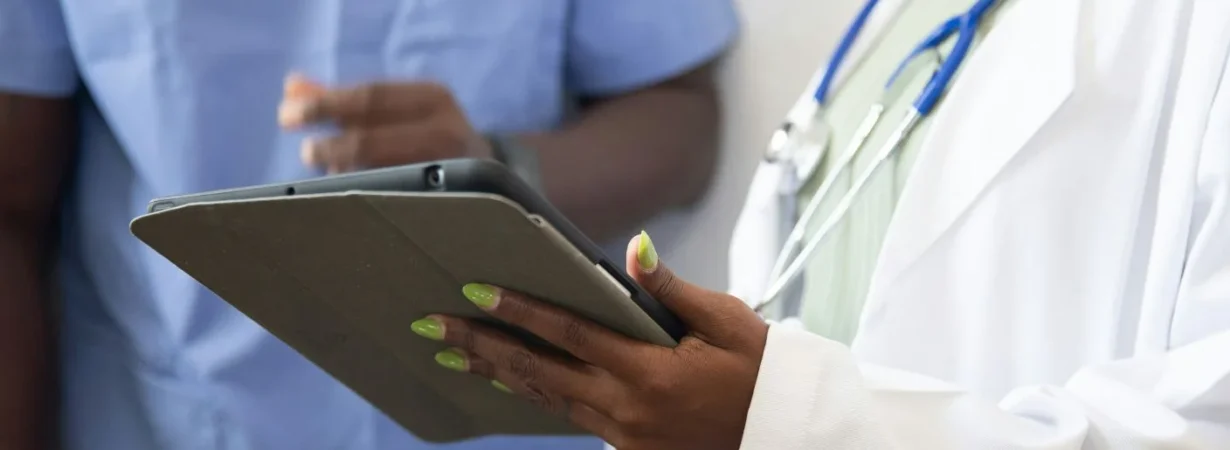
Tunisia is kind of taking a huge leap into the future of medical care. By the end of this year, the Ministry of Health will officially start rolling out the Tunisia National Health ID 2026 for every citizen. It’s a big moment because this effort is meant to swap scattered paper records for a streamlined and very secure Tunisia digital healthcare system. And yeah, the goal is not only faster care, but also better access, like when doctors need life-saving patient history right away. This transition feels like a new era of medical efficiency. Below is basically everything citizens and medical professionals should know about the upcoming unique national health ID rollout.
The Vision Behind the Tunisia National Health ID 2026
The most recent government announcement says that every Tunisian will have a unique national health ID before 2026 wraps up. Health Minister Mustapha Ferjani said this is a central element in the wider modernization of the country’s public administration and medical infrastructure.
Unifying Public and Private Care
Right now, patient information can get lost or delayed between public hospitals, private clinics, and rural health centers. The new Tunisia digital healthcare system is designed to work like a secure, centralized connection between them all, so data doesn’t wander off.
- Seamless Data Sharing: Your medical history, allergies, and past prescriptions will be available quickly to approved professionals. This should cut down on repeated tests and save money, too.
- Chronic Disease Management: People living with diabetes or hypertension, for example, will be able to rely on continuous, centralized tracking across different specialists, which can support better overall life expectancy.
Embracing Digital Sovereignty and AI in Healthcare
Beyond just creating a unique national health ID, Tunisia is really trying to position itself as a regional leader in technological independence, I mean, a thing experts often call digital sovereignty.
Securing Medical Data Locally
Medical records are extremely sensitive, so data protection remains the main thing. Through partnerships with global tech leaders and local developers, Tunisia is rolling out secure AI-powered Security Operations Centers, not just for show but as a real operational layer.
During the talks at the 2026 Northern Africa Health and Tech Summits, it was said— kind of in passing—that keeping data locally makes it easier to guard the Tunisian digital healthcare setup from outside cyber threats, and that it also sidesteps dependence on foreign servers.
Expanding Telemedicine in Tunisia
The rollout of the Tunisia National Health ID 2026 is happening next to broader telemedicine in Tunisia, kind of at the same time. Already, initiatives are linking regional hospitals through a national teleradiology network. As TAP news reports have underlined, this kind of digital integration lets patients in rural zones get specialist readings without carrying the financial weight of traveling to big cities.
How the Tunisia Digital Healthcare System Benefits You
For the ordinary citizen, this reform is pretty practical; it addresses some older operational headaches in healthcare. And according to World Health Organization evaluations on digital health across the region, when you have complete electronic records, the results tend to align with better health outcomes.
- Better Resource Management: The system will closely monitor how medical equipment and pharmaceuticals are spread across the country, and it should cut down a lot on medication shortages at local pharmacies, especially those tricky weeks when supply gets weird.
- Improved Emergency Response: In emergency rooms, quick access to an individual’s blood type and their surgical history through their unique national health ID will save precious minutes when someone is dealing with severe injuries.
- Simplified Booking: New patient portals are coming online, so citizens can book appointments and also keep an eye on their health journey directly from their smartphones.
The rollout of the Tunisia National Health ID 2026 isn’t just another administrative update; it is something more like a necessary pivot toward a fairer and modern society. When Tunisia pushes digital sovereignty, strengthens medical data protection, and expands telemedicine, the Tunisia digital healthcare system is basically aiming to make sure every citizen gets the good quality care they deserve. And as the country works toward full adoption of the unique national health ID, Tunisians can look ahead with more confidence to a healthier, more smoothly connected future
FAQs
When will the Tunisia National Health ID 2026 be fully available?
So, Health Minister Mustapha Ferjani has confirmed, kind of officially, that the digital rollout is planned to be done for all citizens before the end of 2026.
Is my medical data safe in the Tunisia digital healthcare system?
Yes, largely. The whole initiative is based on this strict idea of digital sovereignty. Meaning, the health data stays hosted securely inside Tunisia, and it is watched over by advanced security networks, as described in those recent national health technology reviews.
Will the unique national health ID work in private clinics?
Yes, absolutely. The core point of the ID is to unify medical records, smoothly, across public hospitals and private health facilities too, so care stays continuous no matter where you end up being treated.
Explore More Must-Reads
Explore current vs savings account differences?
Discover how choosing between current and savings accounts can impact your daily banking and long-term financial planning.
Explore Cairo living costs 2025–2026 trends?
Check how rising expenses and inflation are shaping everyday life and budgeting in Cairo for residents.
Explore Amman jobs and living reality?
Discover real salaries, job opportunities, and actual living costs in Amman before making a move.
Explore best countries for Arabs 2026?
Check top destinations, visa options, and opportunities for Arabs planning to relocate in 2026.
Explore Morocco gig economy earnings and taxes?
Discover platforms, income potential, and tax rules shaping Morocco’s growing gig economy.