
Egypt’s Parliament Approves WorldFish Center Agreement: Boosting Agriculture, Fisheries, and Food Security
-
Dhivyanshu
- . July 2, 2026
- . Update: July 10, 2026 4:29 pm
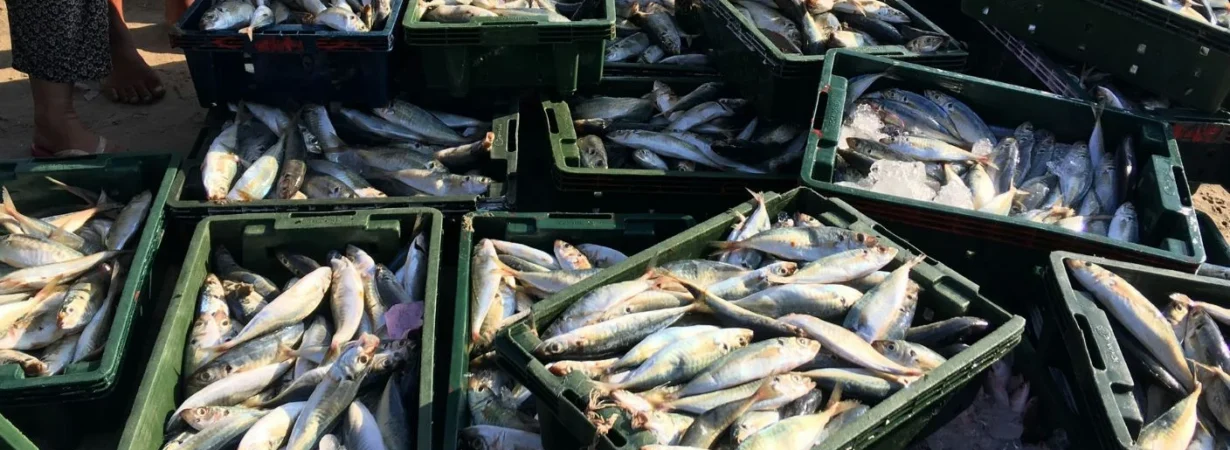
In a monumental sort of step toward achieving long-term sustainability, Egypt has officially renewed a 25-year hosting deal with international researchers, or something like that. The recent moment when the government officially approved the WorldFish Center agreement marks a turning point for the nation’s domestic food systems. By locking in the future of the renowned Abbassa Research and Training Center, the country wants to overhaul its fish production in a more durable way. This milestone feels like a full strategy dedicated to strengthening agriculture, fisheries, and food security, and basically positioning Egypt as a dominant climate-resilient aquaculture hub across Africa and the Middle East.
Understanding the WorldFish Center Agreement
For more than two decades, WorldFish has partnered with the Egyptian government to boost the nation’s fish output. The newly ratified WorldFish Center agreement officially extends this already proven collaboration for another 25 years. Led by the Egyptian Ministry of Agriculture and Land Reclamation, this legislation ensures that cutting-edge aquatic research will stay firmly based in the Sharqia Governorate
The Role of the Abbassa Research and Training Center
Centered on this arrangement is the Abbassa Research and Training Center. The place is widely known for developing the “Abbassa strain” of Nile tilapia. This genetically improved fish grows up to 28% faster while cutting its environmental footprint by 36%. With the center lease extended, researchers can keep rolling out this highly efficient strain, so sustainable aquaculture in Egypt stays both reachable and profitable for thousands of local smallholder farmers.
Direct Impact on Agriculture, Fisheries, and Food Security
Egypt’s population is climbing pretty fast, and that makes regular farming, plus regular food sourcing, kind of harder each year. Egypt already gets to more than 1.6 million tons of fish every year, but the bigger plan is to push ahead in a rapid, steady way.
Based on data from the Food and Agriculture Organization (FAO), when aquatic food systems are blended with traditional farming, it can form a circular economy that meaningfully upgrades agriculture, fisheries, and overall food security.
- Water Efficiency: Fish raised in farms typically need far less fresh water than traditional land livestock, which matters a lot in an arid climate. There’s also the protein side. Tilapia is often considered a low-cost, high-value nutrient source, especially for groups that are more vulnerable.
- High-Quality Protein: A high-value nutrient source, especially for groups that are more vulnerable.
- Reduced Imports: When domestic output increases, it directly cuts down on dependence on costly imported food, which lines up well with the World Bank’s aims around economic resilience for Egypt.
Global Exports and Climate-Smart Farming
This legislative approval arrives at a pretty important moment. As The Fish Site reported, the partnership leans into climate-smart and modern farming approaches, even down the fish value chain. Producers are using renewable energy where it fits, and they are working on sustainable feed that helps them satisfy tough international requirements. So, Egypt recently secured its very first permission to export farmed seafood to the European Union, and that economic win is set to start in the third quarter of 2026.
Empowering Rural Communities and Women
Beyond just fish biology, the WorldFish Center agreement has a pretty profound socioeconomic impact, sort of in a real way. Over the last two decades, the organization has trained more than 15,000 stakeholders, and that number matters more than people think. A primary focus within the new 25-year roadmap is supporting women retailers and youth entrepreneurs, not as a side item. By giving direct access to improved fish seeds and financial literacy training, the partnership turns rural aquaculture from a basic survival trade into a highly profitable export-ready activity. If you want to see how these initiatives are globally funded and structured, you can review the official WorldFish Programs.
The moment parliament approved the WorldFish Center agreement, it sort of locked in a brighter, more sustainable future for the nation’s food supply. By anchoring the Abbassa Research and Training Center for another 25 years, the country is investing heavily in climate-smart farming and robust economic growth. Ultimately, this strategic partnership promises to dramatically elevate agriculture, fisheries, and food security, and it helps transform sustainable aquaculture in Egypt into a global success story.
FAQs
What is the WorldFish Center agreement?
It is a legally binding, 25-year hosting agreement approved by the Egyptian parliament that allows the WorldFish organization to continue operating its main research hub, the Abbassa Research and Training Center, within Egypt.
How does this impact sustainable aquaculture in Egypt?
The agreement keeps ongoing research going into genetically improved tilapia and eco-friendly fish feed. That enables farmers to grow fish faster, with a lower environmental footprint, which supports the future of sustainable aquaculture in Egypt.
Will this agreement help the Egyptian economy?
Yes. By adopting climate-smart farming techniques, local farms can now meet higher international standards, and that makes them more competitive overall
Explore More Must-Reads
Explore current vs savings account differences?
Discover how choosing between current and savings accounts can impact your daily banking and long-term financial planning.
Explore Cairo living costs 2025–2026 trends?
Check how rising expenses and inflation are shaping everyday life and budgeting in Cairo for residents.
Explore Amman jobs and living reality?
Discover real salaries, job opportunities, and actual living costs in Amman before making a move.
Explore best countries for Arabs 2026?
Check top destinations, visa options, and opportunities for Arabs planning to relocate in 2026.
Explore Morocco gig economy earnings and taxes?
Discover platforms, income potential, and tax rules shaping Morocco’s growing gig economy.