

Yemen’s Ports Under Fresh Economic and Logistic Pressure due to Red Sea Shipping Issues
-
Dhivyanshu
- . July 11, 2026
- . Update: July 11, 2026 3:29 pm
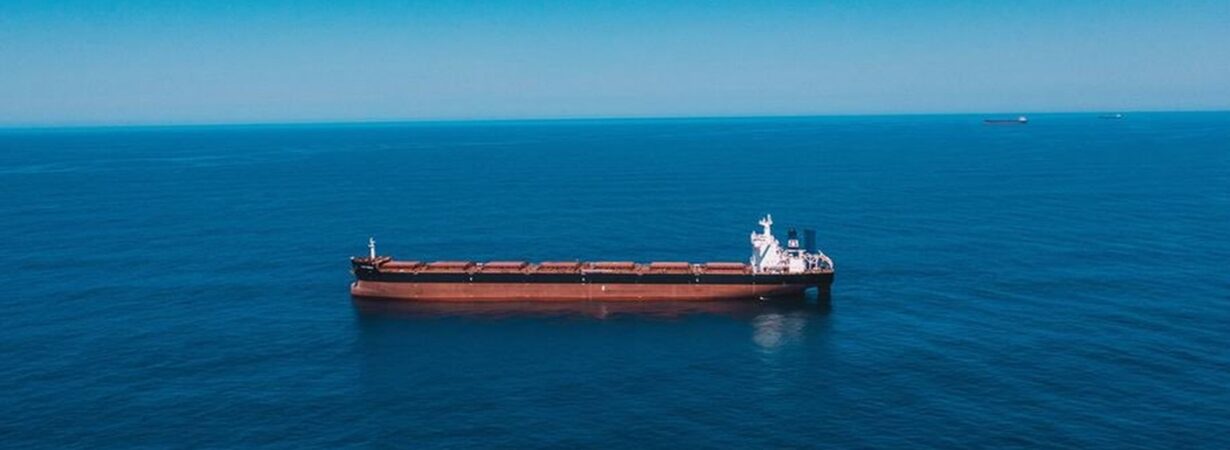
Port facilities in Yemen are coming under additional economic and logistical pressure because of security concerns that continue to disrupt Red Sea shipping – one of the busiest routes in the world. As the attacks against commercial ships continue, together with ongoing instability in the region, major shipping organizations were compelled to change their shipping routes to avoid the Bab al-Mandab Strait, which led to increased expenses and delays in deliveries.
Such long-term disruption has impacted both the global market and the fragile Yemeni economy. Experts suggest that the country has lost more than $1.4 billion worth of port revenues. Besides, the disruptions affected logistics, increased prices for food, and complicated humanitarian aid delivery.
Despite the increased presence of international navy patrols in some regions, the risk for commercial ships is still evident.
Shipping Firms Still Choose Not to Sail through the Red Sea
Ever since late 2023, many of the largest shipping firms in the world have rerouted their ships because of the piracy threats faced by merchant vessels traveling through the Red Sea.
Instead of traversing the Bab al-Mandab and the Suez Canal, many shipowners choose to take an alternative route from the Cape of Good Hope in South Africa. Although this alternative route is safer for the merchant vessels, it adds an additional 10-14 days to the trip from Asia to Europe and almost 4,000 miles in distance.
Increased travel time is causing an increase in fuel expenditure, insurance fees, and transportation rates in the global supply chain, which affects businesses and people worldwide, as well as decreases traffic in Yemeni ports.
Economic Crisis and Food Supply Shortages Persist in Yemen
Shipping routes are very important to the economy of Yemen.
The main function of ports is importing essential items like food, fuel, medicine, etc. into the country. The decrease in port activities has decreased cargo traffic and port and customs revenues.
In the territories controlled by the Houthis, rising import expenses have been a factor that is contributing to increasing prices for essential food products and adding to the challenges being faced by citizens who are struggling economically. Such problems have been caused by shortages of foreign currencies and liquidity challenges.
Humanitarian organizations are warning about potential food crises in the case of continued disruption of the marine transportation as a result of increased risks in one of the most vulnerable nations in the world.
Security Challenges Remain High Despite Various Efforts
Despite several efforts from the international community to address maritime security issues in the Red Sea region, shipping remains risky.
For instance, early in July 2026, UKMTO reported yet another attack against the cargo ship in the waters close to al-Hudaydah.
Despite the success of various naval patrols and multinational security operations in the Red Sea, shipping companies continue to be careful because of the risks posed by the challenging security environment. Maritime security specialists highlight that even single incidents may significantly affect global shipping policy, causing shipping companies to choose other routes despite the higher cost.
Top Picks For You
Discover best tourist attractions in Jordan?
Explore iconic places every visitor should experience.
Explore Petra viewpoints and best spots?
Check where to capture the most stunning Petra views.
Discover desert adventures in Jordan?
Explore thrilling experiences across Jordan’s desert landscapes.
Check top things to do in Amman?
Discover must-visit spots for first-time visitors in the city.
Explore Dead Sea spa day trip?
Check relaxing mineral spa experiences near Amman
The Impacts of Global Trading Persisted
The Red Sea is very crucial in the shipping industry in the sense that it connects Europe, Asia, and the Middle East via the Suez Canal.
Disruptions have greatly impacted international logistics, especially the shipment of containers, energy resources, and manufactured goods. The businesses that are reliant on supply chain management involving the prompt shipment of goods are facing problems with rising freight rates, causing inflationary pressures in some countries.
Regaining confidence in Red Sea shipping is crucial for Yemen in resuming shipping operations in order to ensure smooth business transactions. But this will be conditional on the level of security in the region.