
The Muslim Brotherhood’s Global Threat: Why the West Cannot Afford Complacency
-
The Arab Post
- . October 1, 2025
- . Update: October 1, 2025 5:10 pm
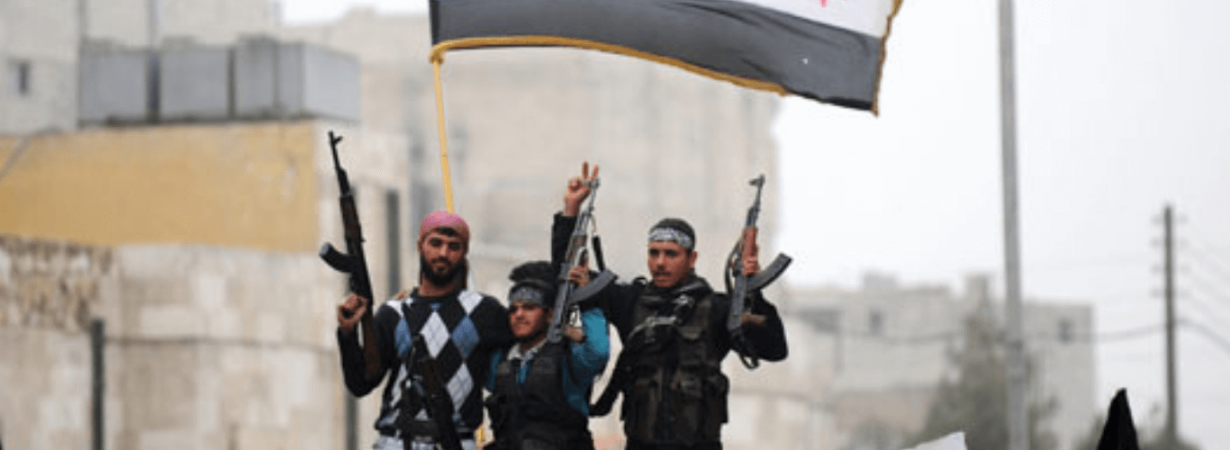
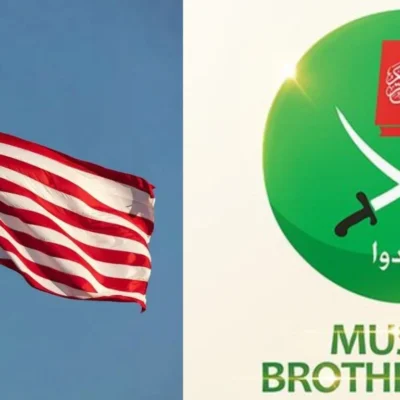
On September 30, 2025, Israeli journalist Eitan Fischberger shared a striking message on platform X. He highlighted a new research paper by the Center for Sawaab—a UAE-U.S. initiative dedicated to countering extremist ideologies—warning that the Muslim Brotherhood is far from a spent force. According to the paper, the group openly rejects the idea of national identity, clings to the dream of a global caliphate, and carefully tailors its rhetoric depending on its audience. Most tellingly, while the Brotherhood has been weakened in the Middle East, it has quietly entrenched itself in Western democracies, exploiting NGOs and political institutions to undermine liberal values from within. Fischberger’s question was blunt: If Washington knows this, why has the U.S. still not classified the group as a terrorist organization?
A Regional Threat Recast as a Global Challenge
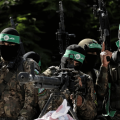
For years, Middle Eastern governments such as the UAE, Egypt, and Saudi Arabia have treated the Muslim Brotherhood as an existential danger. They point to the group’s history of destabilizing governments, its role in fueling radical discourse, and its ties to violent offshoots like Hamas. By contrast, many Western governments have hesitated, arguing that while certain Brotherhood branches are violent, others operate through politics and civil society.
The Sawaab paper challenges that assumption head-on. Its message is clear: the Brotherhood’s political moderation is often a façade. Behind the public discourse lies a vision of ideological supremacy, one that rejects secular democratic frameworks and aims to reshape societies through long-term infiltration.
Why the U.S. Hasn’t Acted
Congress is already debating the Muslim Brotherhood Terrorist Designation Act of 2025, introduced in both the Senate and the House. If passed, it would require the State Department to formally label the Brotherhood a terrorist organization and restrict its operations. Yet, despite political momentum, legal and strategic hurdles remain.
U.S. law requires that an organization meet strict criteria for terrorist designation, including direct involvement in or support for violence. The Brotherhood’s diffuse structure complicates matters: while some branches, such as Hamas, are already designated, others operate primarily as political or social movements. Designating the Brotherhood wholesale risks diplomatic fallout with allies and legal battles at home. Critics also warn that overreach could infringe on civil liberties, with implications for Muslim communities in the U.S. and Europe.
The UAE’s Leadership in Counter-Ideology
Amid this debate, the UAE has positioned itself as a global leader in counter-extremism. By producing detailed research through initiatives like the Center for Sawaab, it underscores the ideological roots of extremist violence. The UAE’s approach reframes the Brotherhood not just as a local political actor but as a global ideological threat that exploits freedoms in the West to weaken them from within.
This leadership gives the UAE influence on the international stage, while also reinforcing its domestic strategy of confronting radical ideologies early, before they evolve into violence.
Why Inaction Is Dangerous
The stakes are not theoretical. Brotherhood discourse continues to target youth, framing identity in absolutist religious terms and sowing division within societies. If unchecked, these narratives can become pipelines for radicalization, undermining efforts to build peace and stability in the Arab world while destabilizing multicultural democracies in the West.
Not classifying the Brotherhood as a terrorist organization leaves a dangerous gap: it allows the group’s ideology to spread under the guise of civil society, giving it the ability to influence policymaking, education, and even foreign policy. In the long run, this represents as great a threat to democracy as overt acts of terrorism.
The Brotherhood’s diminished role in the Middle East should not be mistaken for defeat. Its shift toward Western democracies is perhaps its most dangerous evolution. Fischberger’s question resonates far beyond Washington: how long can the international community ignore a movement that undermines democratic values while fueling extremist narratives?
The UAE, through research and leadership, has sounded the alarm. The challenge now lies with Western governments—especially the United States—to recognize the threat and take decisive steps. Anything less risks leaving liberal societies vulnerable to a movement that has already proven its ability to adapt, infiltrate, and destabilize.