
Deleting Zeros Won’t Save the Dinar Unless Baghdad Fixes Its Banking System First
-
Dhivyanshu
- . August 18, 2026
- . Update: August 18, 2026 4:36 pm
The rumor mill in Iraq, again, has caught fire. The government is taking a closer look at a decades-old idea: removing zeros from the Iraqi dinar. For a lot of citizens and foreign observers, deleting zeros this currency redenomination looks like some big, dramatic remedy for an economy that is very much tied to oil. Still, money experts tend to see it differently, saying that changing the “face value” is basically cosmetic. Unless the Baghdad banking system is actually revamped, the issue of widespread cash hoarding is dealt with, and electronic payments are pushed more aggressively, cutting zeros won’t reliably bring long-term stability to Iraq.
The Illusion of Deleting Zeros Without Real Reform
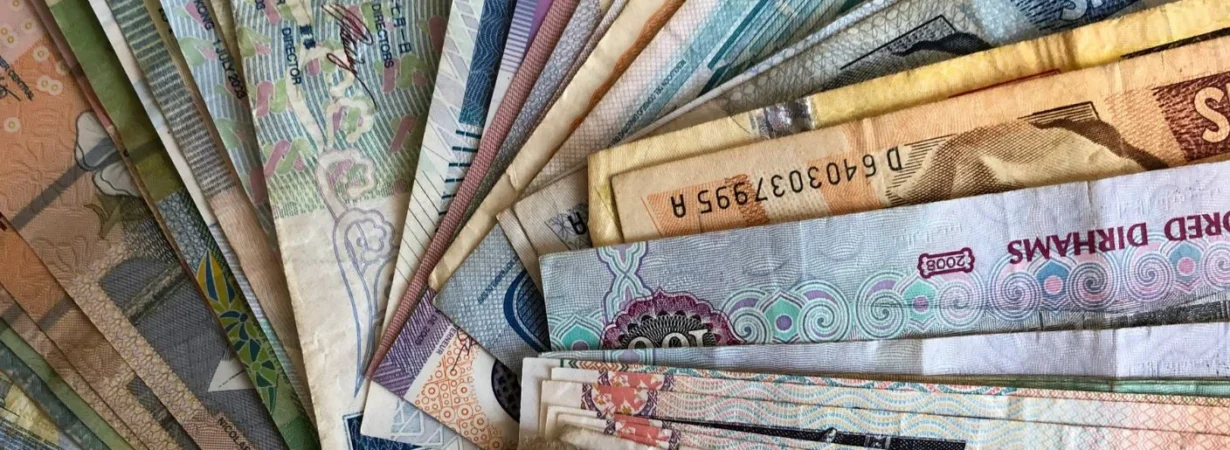
When officials talk about stripping three zeros from the dinar, they mean a technical adjustment that is supposed to make bookkeeping easier and shrink the bulk of paper money. A 1,000-dinar note becomes a 1-dinar note, while prices and salaries shift in step. It does not, by itself, increase purchasing power. It also doesn’t generate new national wealth out of thin air.
Supporters sometimes say this could reduce the physical expense of printing cash, but the core problems in the Baghdad banking system are left where they are. Recent financial reporting suggests around 70 trillion dinars—more than half of the currency in circulation—is being kept out of the official banking channel. As long as that huge shadow economy stays hidden, any redenomination will feel like another layer of paint on top of a failing base, not a true fix.
Why Currency Redenomination Is Not a Magic Bullet
In emerging markets, a successful monetary shift has to be paired with serious structural reforms. The main issue isn’t the amount of zeros; it is the systemic inefficiencies that make people drift away from banks. The key stumbling blocks are, more or less, these:
- Hoarded Wealth: Billions in cash are still sitting outside the official economy, like completely detached.
- Lack of Trust: Bureaucratic red tape plus a long history of instability leave citizens cautious about both state-run and private financial institutions.
- Cash Dependency: Everyday commerce still leans overwhelmingly on physical banknotes, no matter what anyone says.
So if the Central Bank of Iraq just prints new banknotes, without correcting these structural flaws, people will keep tucking physical cash away under their mattresses, or in other hidden places.
A Crisis of Confidence in the Baghdad Banking System
For years, the Baghdad banking system has had trouble matching international regulatory standards. Yes, the Central Bank of Iraq (CBI) has taken real steps to fight money laundering and to clamp down on illicit dollar flows. But even with that, there remains a large gap between the state and the customer.
Real economic steadiness in Iraq needs a more modern financial sector that everyday Iraqis can actually rely on. The answer is aggressive financial inclusion programs, backed by firm macroeconomic monitoring from organizations like the International Monetary Fund (IMF), not just producing smaller-denomination bills.
Shifting Towards Electronic Payments and Compliance
Fortunately, a few positive steps are underway, at least so it seems. The government recently announced a rather ambitious plan to fully move all state institutions to electronic payments by mid-2026. By pushing public sector transactions such as utility bills, taxes, and state salaries onto digital platforms, the state wants to, in a very deliberate way, draw hoarded cash back into the formal banking system.
Meanwhile, programs backed by the United Nations Development Programme (UNDP) and the World Bank keep stressing that a solid, transparent digital infrastructure is a must, kind of like an absolute prerequisite for modern growth and longer-term financial security.
The Critical Role of the Central Bank of Iraq
The Central Bank of Iraq seems to be standing at a historic crossroads. If it wants to steer through the country’s complicated financial landscape, the institution has to put strict regulatory supervision first, and pair it with digital modernization rather than chasing flashy, superficial adjustments that look good for a minute.
In a recent cooperation with the International Finance Corporation (IFC), the bank rolled out a sustainable finance roadmap, designed to raise the competitiveness and transparency of Iraqi banks. Efforts like these—rooted in structural steadiness, expanded access to services, and careful compliance—are the ones that actually help stabilize a currency and attract foreign investment.
The whole idea of stripping zeros from the Iraqi dinar is a kind of catchy political talking point, but honestly it kinda feels like a sideshow, because it is really a distraction from the tougher work that has to come next. The main route toward durable economic steadiness in Iraq seems more tied to creating a transparent, digital-first Baghdad banking system. And until regular citizens genuinely trust their banks enough to put money in accounts, and actually use electronic payments, the number of zeros on a banknote will stay basically irrelevant. The Central Bank of Iraq needs to keep pressing ahead with structural reform; only then will the dinar land its footing on the wider global stage.
FAQs
Q1: What does deleting zeros from the Iraqi dinar mean?
A: Deleting zeros is a currency re-basing process, where the face value of money is adjusted downward to make bookkeeping easier. For instance, a 1,000 Iraqi dinar note becomes a 1 dinar note, but the purchasing power does not change at all.
Q2: Why is the Central Bank of Iraq considering this move?
A: The Central Bank of Iraq has discussed it for years, partly to shrink the huge pile of physical cash sitting in circulation, to modernize the cash operations, and to make day-to-day transactions more practical for shops and companies.
Q3: Why won’t removing zeros fix the economy immediately?
A: Because without overhauling the banking foundations in Baghdad, the deeper causes of economic sluggishness are still there. More than 70 trillion dinars are kept outside formal banks, in private hands. Real economic steadiness in Iraq depends on rebuilding public confidence in financial institutions, not only swapping banknotes around.
Q4: How are electronic payments helping the banking sector?
A: The move toward electronic payments looks to digitize state salaries and public services, and it cuts down the nations heavy cash dependency quite a lot. It also supports financial inclusion, gives clearer oversight, and takes Iraq nearer to global banking norms and standards.
Discover More Insights
Explore Cairo inflation middle class impact?
Discover how rising prices are affecting savings and daily life.
Check Algeria power plant deadline extension?
Explore updates on the 1.2GW energy project timeline.
Discover Turkey new electricity tariff changes?
Check how updated pricing will impact households and businesses.
Explore Qatar initiative boosting Syria power?
Discover efforts aimed at strengthening Syria’s electricity generation.
Check Beirut balcony lighting energy tips?
Explore efficient lighting ideas for Ramadan and beyond.