

49 Million and Counting: Why Sudan is the Epicentre of the 2027 El Niño Hunger Crisis
-
The Arab Post
- . August 28, 2026
- . Update: August 28, 2026 4:56 pm
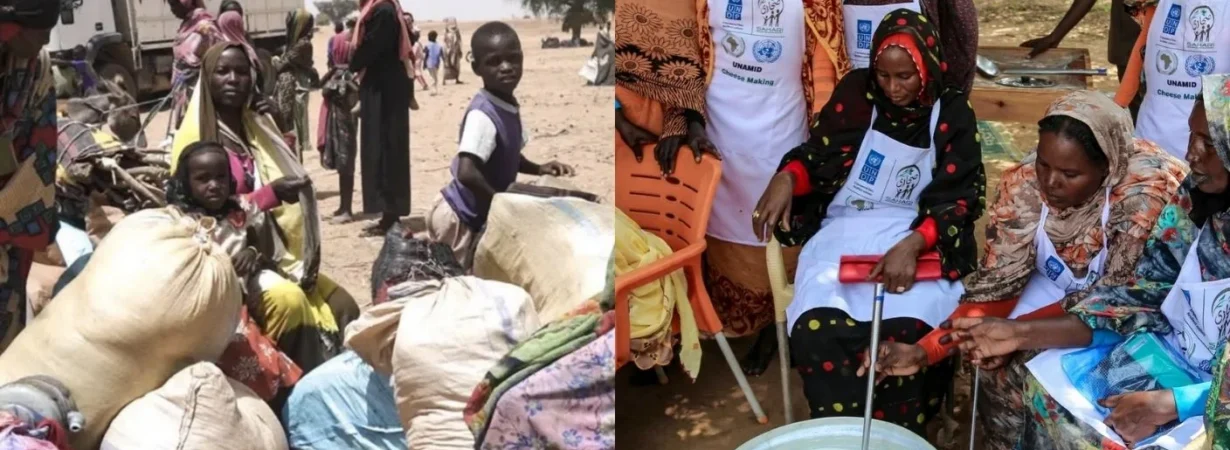
The United Nations World Food Programme has issued one of its starkest warnings in years. Sudan hunger crisis, A strengthening El Niño weather pattern could push 49 million more people into acute hunger by the end of 2027, lifting the number of severely food insecure people across 45 vulnerable countries from roughly 225 million to 274 million. Of every country on that list, none is more exposed than Sudan.
A Nation Already At The Brink
Sudan does not need a climate shock to be in crisis. Nearly four years into a civil war between the Sudanese Armed Forces and the paramilitary Rapid Support Forces, close to 19.5 million people, about two out of every five Sudanese, are already facing high levels of acute food insecurity. More than five million are in Emergency conditions, and around 135,000 people are living through Catastrophe, the most severe classification on the food security scale, just short of a declared famine. Fourteen hotspots across North Darfur, South Darfur, and South Kordofan remain at risk of tipping into famine outright.
Nearly nine million people have been displaced inside the country, and roughly 40 per cent of health facilities are no longer functioning. Children are bearing the highest cost. An estimated 825,000 children under five are expected to suffer from severe acute malnutrition this year, a seven per cent rise from 2025 and a quarter higher than levels recorded before the war began.
Why El Niño Makes A Bad Situation Worse
El Niño is a natural climate pattern that shifts rainfall and temperature around the globe, and forecasters expect this cycle to peak between September and December 2026 before its effects on harvests linger well into 2027. For Sudan, that timing could not be worse. The country sits along a drought belt that stretches from West Africa through Ethiopia and into Sudanese territory, where forecasters expect below-average rainfall to strain crops that were already struggling under conflict-driven disruption. Field agencies project that food assistance needs in Sudan will be among the highest anywhere in the world by November 2026, alongside the Democratic Republic of the Congo, Nigeria, and Yemen.
In a country still able to farm normally, a bad rainy season is a setback. In Sudan, where fighting has emptied fields, cut off supply routes, and displaced the very farmers who would plant the next harvest, a drought risks becoming the difference between crisis and catastrophe. Livestock losses compound the damage, stripping families of the last asset they have to fall back on when crops fail.
A Funding Gap That Keeps Growing
Humanitarian agencies say they simply do not have the resources to meet the need, let alone absorb a new climate shock. As of earlier this year, only about 20 per cent of Sudan’s humanitarian response plan had been funded. Aid workers aimed to reach 4.8 million people a month but consistently fell short, hampered by insecurity, bureaucratic restrictions, and attacks on supply routes. The WFP has emphasised that money spent before a crisis hits goes much further than money spent after, with every dollar invested in early action estimated to save between three and seven dollars in losses avoided later. Yet anticipatory funding for Sudan remains a fraction of what agencies say is needed.
What Next: Waiting for Sudan – Sudan hunger crisis
WFP and the Food and Agriculture Organisation have already appealed for increased support to help vulnerable communities prepare before El Niño’s full impact lands. Early-response measures have begun rolling out in a handful of countries, though Sudan’s ongoing conflict makes even basic preparedness work far harder than in more stable settings. Aid access remains the single biggest constraint, more than funding alone.
Sudan’s hunger crisis was already the world’s worst before anyone had forecast this El Niño. Layering a major climate shock on top of an active war, a collapsed health system, and a barely funded relief effort turns a dire situation into one with almost no room for error. Whether Sudan becomes the epicentre of a wider global hunger emergency in 2027 may come down to how quickly the world moves now, while there is still time to act before the rains fail and the fighting continues.
Explore More Must-Reads
Explore current vs savings account differences?
Discover how choosing between current and savings accounts can impact your daily banking and long-term financial planning.
Explore Cairo living costs 2025–2026 trends?
Check how rising expenses and inflation are shaping everyday life and budgeting in Cairo for residents.
Explore Amman jobs and living reality?
Discover real salaries, job opportunities, and actual living costs in Amman before making a move.
Explore best countries for Arabs 2026?
Check top destinations, visa options, and opportunities for Arabs planning to relocate in 2026.
Explore Morocco gig economy earnings and taxes?
Discover platforms, income potential, and tax rules shaping Morocco’s growing gig economy.