

Libya Uncovers Suspected Sabotage Network Behind Drone Attacks on Oil and Power Facilities
-
The Arab Post
- . September 7, 2026
- . Update: September 7, 2026 6:45 pm
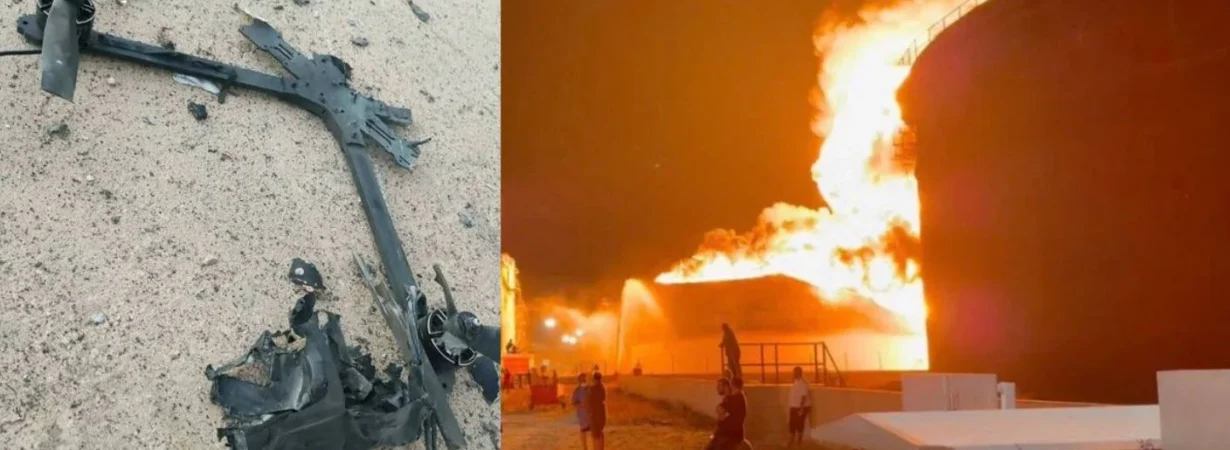
A Cell Dismantled After Weeks of Attacks: Libya’s internationally recognised Government of National Unity announced on September 6 that it had dismantled an organised sabotage cell responsible for suicide drone attacks on oil and electricity facilities in Tripoli and Zawiya.
Libya Drone Attacks, The operation, carried out by the Ministry of Defence, led to the arrest of five individuals, both Libyan and foreign nationals, according to a statement posted on the government’s official platform. Authorities said the same operation also foiled several other plots still in the planning stages, including one targeting a power station south of Tripoli and additional plans aimed at vital infrastructure as well as political, security, and military leaders.
Investigations Continue Into Who Is Behind It
The government said investigations are ongoing to identify any remaining individuals connected to the network, along with the parties that planned, financed, or supported the sabotage campaign.
Officials have promised to release further details, including the identities of those arrested and information about their backers, once the initial phase of the investigation concludes. No group had publicly claimed responsibility for the wave of drone strikes before the announcement, and Libyan authorities have not yet named any specific faction or foreign actor as being behind the network.
A Month of Escalating Strikes
The dismantled cell’s alleged activity fits into a broader pattern of attacks that battered Libya’s energy infrastructure through August. Zawiya’s oil refinery, the country’s largest operating facility with a refining capacity of 120,000 barrels a day, was hit in a series of at least four separate drone strikes between August 8 and 11, targeting oil storage tanks, a water desalination plant, and a lubricant blending and filling facility.
One of those strikes set fire to a tank holding roughly 4.5 million litres of fuel, which collapsed and burned for several days before firefighting teams brought it under control. Libya’s National Oil Corporation warned at the time that continued attacks could force it to declare force majeure and suspend refinery operations altogether.
Power Supply Pushed to the Brink
The attacks were not limited to oil infrastructure. A drone strike on a power station near Zawiya knocked the facility out of service and forced Libya’s General Electricity Company to withdraw its engineering teams from the site for a second time this year, having first pulled staff out in June during an earlier round of fighting.
More than 700 megawatts of the plant’s 1,300-megawatt capacity had already been offline before the latest strikes, and officials warned that continued attacks risked triggering a partial or general blackout across the national grid. No fatalities were reported from any of the incidents, though Libya’s Ambulance and Emergency Service said several people were treated for smoke inhalation.
Why Libya’s Infrastructure Keeps Coming Under Fire
Libya has remained split between rival governing authorities since a 2020 ceasefire failed to produce lasting political unification, leaving armed groups with continued influence over parts of the country, including areas around key energy sites.
Oil and power facilities, run by companies serving the entire population regardless of political affiliation, have increasingly become targets in this contested landscape. The Brega Oil Company had appealed publicly for all parties to keep fighting away from oil facilities, describing them as vital national infrastructure whose protection was a shared responsibility that could not tolerate negligence.
What Comes Next – Libya Drone Attacks
With the sabotage cell reportedly dismantled and several other plots said to have been foiled, Libyan authorities will now face pressure to show the arrests translate into a genuine reduction in attacks on energy infrastructure.
The promised release of further details on the suspects and their backers could also shed light on whether the network was driven by domestic rivalries, external actors, or some combination of both. In the meantime, both the country’s oil sector and its already strained electricity grid remain vulnerable, and officials have given no indication of when full confidence in the security of these facilities might be restored.
Discover more Insights
Explore Iran War Lessons Globally?
Explore how the 2026 Iran war reshapes global power and strategy.
Discover Iran Delay Strategy Tactics?
Discover how Iran uses delay, repression, and proxy influence.
Check Trump Iran Strategy Importance?
Check why Trump’s Iran strategy depends on Gulf allies.
Explore Iran Military Warning Signals?
Explore rising warnings from Iran alarming global powers.
Discover Sudan Iran Axis Threat?
Discover how the Sudan-Iran axis raises serious regional concerns.