
Yemen Conflict Puts Bab el-Mandeb Strait at Risk as Houthi Forces Advance
-
The Arab Post
- . September 10, 2026
- . Update: September 10, 2026 11:14 pm
For a few months, it looked like Yemen might finally get a break from war. Yemen conflict, That quiet is gone now. Fighting has flared up again along Yemen’s western coast, and this time the stakes go far beyond the country’s borders. The Houthis, the Iran-aligned rebel group that already controls the capital, Sanaa, are pushing toward the Bab el-Mandeb Strait, one of the most important shipping corridors on Earth. If they succeed, the ripple effects could hit everything from your grocery bill to the price of gasoline.
What Is the Bab el-Mandeb Strait, and Why Does It Matter?
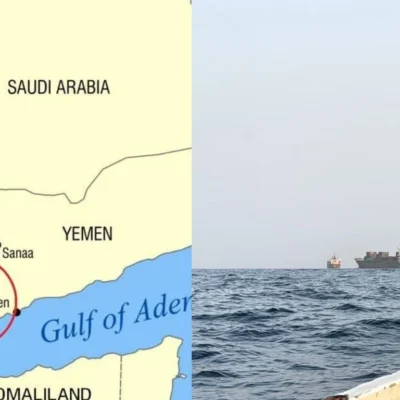
Think of Bab el-Mandeb as a narrow doorway between the Red Sea and the Gulf of Aden. Ships loaded with oil, gas, and consumer goods squeeze through this gap on their way to and from the Suez Canal, which connects to the Mediterranean and, eventually, European and American markets. It’s called the “Gate of Tears” in Arabic, a name that feels more accurate by the day. Roughly a tenth of global seaborne trade normally passes through this stretch of water. When it’s blocked or unsafe, ships either pay a heavy toll in risk or take the long way around Africa, adding weeks to delivery times and driving up costs.
The Latest: Houthis Advancing on the Coast
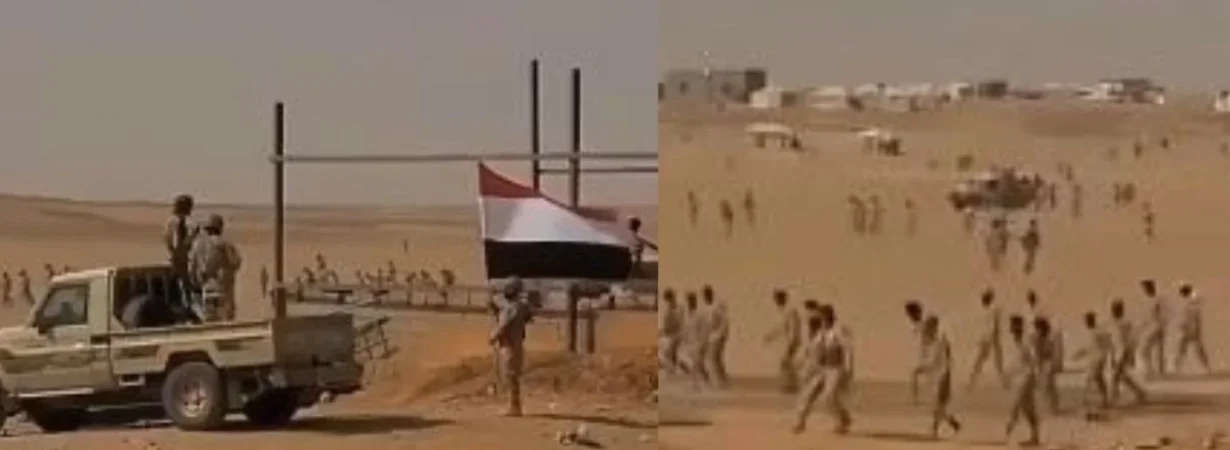
According to Yemeni officials and military sources, the Houthis have been quietly building up forces along the western coastline, aiming to seize territory that would let them directly overlook and control the strait itself. Yemeni military sources say the group is approaching full control of coastal cities including the historic port of Mocha and nearby Dhubab as it works to dominate the entire Yemeni Red Sea coast.
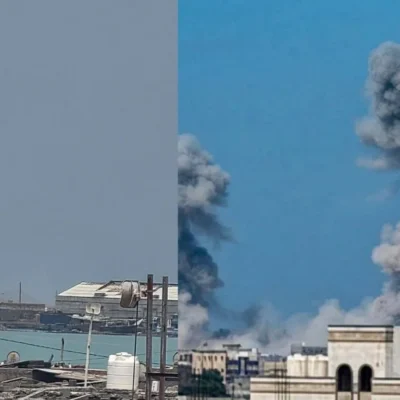
The fighting has intensified sharply in recent days. Government-aligned forces have launched counterattacks against the Houthis around Taiz and Hodeidah, and the human cost has been steep, hundreds reportedly killed in a single 24-hour stretch, with thousands more fleeing the violence. Yemen’s information minister has been blunt about the group’s intentions, describing a Houthi strategy built around expanding along the coast and seizing strategic Red Sea islands, backed by repeated attacks on ports, ships, and government naval forces.
Why Ships Are Already Paying the Price
This isn’t a hypothetical threat commercial vessels have already been hit. In August, a cargo ship came under a Houthi missile strike in the strait, killing crew members and sparking a fire onboard. It was the kind of attack that reminds everyone the group doesn’t need to physically hold the strait to make it dangerous, controlling the coastline that overlooks it is often enough.
That reality has already reshaped global trade. Shipping traffic through Bab el-Mandeb and the wider Red Sea corridor has dropped by more than half compared to before the Houthi campaign began, with many carriers choosing the longer, safer route around the Cape of Good Hope instead.
Why This Fight Is Different From Before
Yemen’s civil war has simmered under a fragile U.N.-brokered truce since 2022. But officials now warn the country is closer than it’s been in years to a full return to large-scale conflict. Part of what’s changed is regional context with the Strait of Hormuz disrupted amid the broader U.S.-Iran confrontation, Bab el-Mandeb has become an even more critical artery, particularly for Saudi Arabia’s oil exports. That makes controlling it a bigger prize than ever, and a bigger risk if it falls into the wrong hands.
Who Feels This?
- Shipping companies face higher insurance costs and longer, costlier routes.
- Oil markets could see price spikes if tankers avoid the region altogether.
- Ordinary consumers may notice it in shipping delays and pricier imported goods.
- Yemeni civilians are bearing the heaviest cost, with displacement and casualties rising fast.
Analysts note that naval patrols alone can’t solve this. Warships can protect individual vessels passing through, but they can’t remove Houthi launch sites along the coast or stop the group from resupplying that would require ground control of the territory itself, something no outside force currently has the appetite for.
Where Things Go From Here
The U.N.’s special envoy to Yemen has warned the Security Council that the country faces its most serious risk of collapse back into full-scale war since the 2022 truce. For now, the world is watching a narrow strip of coastline that could decide how smoothly or painfully global trade flows for months to come.
FAQs – Yemen conflict
1. What is the Bab el-Mandeb Strait?
It’s a narrow sea passage between Yemen and the Horn of Africa that connects the Red Sea to the Gulf of Aden, serving as a critical link for ships heading to and from the Suez Canal.
2. Why are the Houthis trying to seize it?
Controlling territory along the strait would let the Houthis dominate one of the world’s busiest shipping lanes, giving them major leverage over global trade and regional rivals like Saudi Arabia.
3. How has global shipping already been affected?
Traffic through the Red Sea and Bab el-Mandeb has fallen by more than half since Houthi attacks on commercial vessels began, pushing many shipping companies toward longer, safer routes around Africa.
4. Is this connected to the wider Israel-Gaza and Iran conflicts?
Yes. The Houthis, backed by Iran, initially escalated Red Sea attacks in solidarity with Gaza, and regional tensions from the broader U.S.-Iran standoff have made Bab el-Mandeb even more strategically important.
5. Could this strait actually get shut down completely?
A full shutdown hasn’t happened, but repeated attacks and territorial advances have already made it far riskier and less used a partial “shutdown by fear” that’s reshaping global shipping patterns.
Discover more Insights
Explore Iran War Lessons Globally?
Explore how the 2026 Iran war reshapes global power and strategy.
Discover Iran Delay Strategy Tactics?
Discover how Iran uses delay, repression, and proxy influence.
Check Trump Iran Strategy Importance?
Check why Trump’s Iran strategy depends on Gulf allies.
Explore Iran Military Warning Signals?
Explore rising warnings from Iran alarming global powers.
Discover Sudan Iran Axis Threat?
Discover how the Sudan-Iran axis raises serious regional concerns.