

Himalayan Glaciers Are Melting Faster. Why Should The World Care?
-
The Arab Post
- . October 25, 2026
- . Update: October 23, 2026 5:57 pm
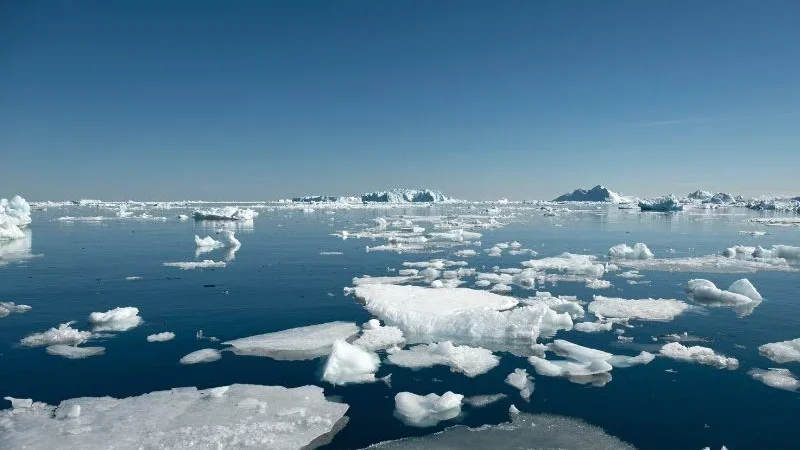
Himalayan Glaciers Melting Faster, The Himalayas may look far from the world’s cities and coastlines, but the ice stored in these mountains connects millions of lives. Melting Himalayan glaciers are not only a mountain problem: they affect river water, farms, electricity, wildlife and, through rising seas, coastal communities far away. The wider Hindu Kush Himalaya feeds major river systems, including the Indus, Ganges and Brahmaputra. These rivers support drinking water, food production and livelihoods across Asia. As temperatures rise, this natural store of frozen water is shrinking.
The ice is disappearing faster
According to an assessment by the International Centre for Integrated Mountain Development (ICIMOD), the area of glaciers in the Hindu Kush Himalaya region decreased by 12% from 1990 to 2020. A 2023 ICIMOD assessment reported that the rate of glacier mass loss in 2011-2020 was 65% higher than that of the previous decade.
More water now, less later
This can initially cause an increase in the river flows, and then make the flood threat more severe. The lakes formed by glaciers can swell and burst their natural dams, causing waves of water and debris to surge downstream. More unstable mountain slopes at warmer temperatures can also pose a landslide threat.
However, glaciers can’t provide additional water indefinitely. Once ice stores are depleted to a certain threshold (called “peak water”), their contribution to rivers starts to decrease. This could result in less consistent water during dry seasons in communities. Farmers require reliable water supplies to grow their crops and towns and power plants need water for their daily needs and for electricity. Impacts of river flow changes can include changes to harvests, livelihoods and food security.
Why the impact reaches the world – Himalayan Glaciers Melting Faster
Around two billion people in Asia depend on water held in the region’s snow and ice. Under a high-emissions pathway, glaciers across the Hindu Kush Himalaya could lose up to 80% of their current volume by 2100. The effects would reach beyond people: changing temperatures and water flows can damage mountain habitats and put plants and animals under pressure.
There is also a wider global link. Melting land glaciers worldwide add water to the oceans and contribute to sea-level rise, increasing risks for low-lying coastal areas. The Himalayan region is one part of a larger global glacier crisis.
What needs to happen now?
Cutting greenhouse-gas emissions is essential to limit further warming and ice loss. Governments also need to monitor glaciers and glacial lakes, improve flood warning systems, prepare communities for landslides, and plan water use for a less predictable future. Countries sharing rivers need better data and cooperation.
The loss of Himalayan ice is not only a change in the landscape. It is a warning about water, food, energy and safety. The more warming the world prevents today, the more options future generations will have to adapt.
Top Picks For You
Discover top Middle East tourist sights?
Explore must-visit landmarks across the region for travelers.
Explore essential apps for Arab travel?
Check must-have apps to simplify your trip planning.
Check common travel mistakes Arab countries?
Discover key errors tourists should avoid during visits.
Explore top Arab festivals for tourists?
Discover unique cultural events across non-GCC destinations.
Check tourist safety tips Arab countries?
Explore essential precautions for safe and smooth travel.