
Arab Allies Sign Landmark US AI Pact as Global Nvidia Crisis Clouds the Chip Race
-
The Arab Post
- . November 17, 2026
- . Update: November 17, 2026 3:01 pm
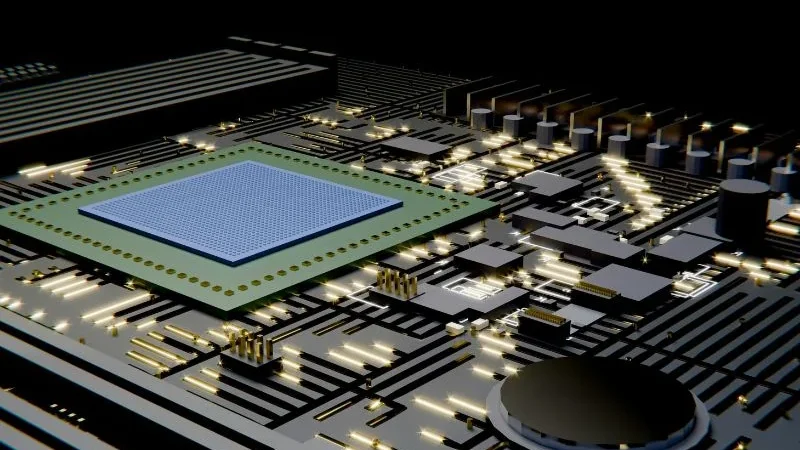
The world of today’s economy of technology is changing its geopolitical landscape quickly. The United Arab Emirates, along with the United States and other world leaders, signed a historic US AI pact on November 15, 2026. Arab Allies Sign US AI Pact, But, the diplomatic breakthrough comes at a time when markets are extremely volatile. While Washington strives to rally its allies in the tech sector, a rapidly worsening global Nvidia crisis has shaken the semiconductor industry, and global technology governance is urgently needed.
The San Francisco Declaration: A New Era of AI Diplomacy
The new deal, dubbed the San Francisco Declaration on the Secure Foundations of Enduring Prosperity, is a watershed moment in how the US and its partners are going to deal with advanced computing. Helberg, US Under Secretary of State for Economic Affairs, convened the meeting which included ten initial signatories including Australia, India, Israel, Japan, South Korea, Singapore and the UK.
The coalition will focus on the of the AI supply chain security, from the base components to the entire technology stack, under the State Department’s flagship Pax Silica initiative. The agreement sets up committees on key minerals, semiconductor production and creating international “safe harbours” for the development of Super Intelligence (SI). Arab allies’ participation in this initiative is a strategic move designed to keep their own tech plans closely tied to Washington’s secure infrastructure agenda.
Espionage Allegations and the Global Nvidia Crisis – Arab Allies Sign US AI Pact
As diplomats were finalizing tech deals between countries, the focus of the artificial intelligence hardware industry was falling apart. The world’s most valuable semiconductor company is in a serious crisis both for the company and for the country: Nvidia.
The global Nvidia crisis took an extreme turn when Nvidia’s CEO, Jensen Huang, suddenly quit on November 12. His resignation came after revelations of an affair with Singapore’s top businesswoman Alice Huang, who is also the chairperson of data centre firm Megaspeed. US intelligence officials are concerned that Alice Huang could be a Chinese spy and wonder whether highly restricted processors ended up being used by Chinese companies.
Megaspeed has previously said that Huang departed from the company in August 2025 and has brushed off the claims, but Nvidia’s board has initiated an independent inquiry to see if there was a foreign intelligence operation targeting the company. This uncertainty has triggered significant and widespread stock sales and widespread anxiety in the entire semiconductor industry.
Protecting Access to Middle East AI Chips
The Megaspeed scandal shines a light on the dangers in trade of semiconductors, and Washington’s is looking to place tighter restrictions on foreign data centers. The diplomatic dealings of great significance in the Gulf region come at a time when there is a regulatory crackdown.
The UAE and Qatar are making huge investments in sovereign data centres worth hundreds of billions of dollars. To be trained they need access to the world’s most powerful processors, without interruption. These countries are taking part in the SF Declaration and thus shielding themselves from the subsequent export ban in Southeast Asia. The security surrounding these trustworthy supply chain nodes will give the Gulf countries within the protective bubble first priority and priority processing rights to high-end chips from the Middle East developed with AI.
In today’s technology race, the power of the computer is becoming more than simply a commercial product – it’s becoming a critical geopolitical resource. The Arab allies of the recent deal must embrace solid, Western aligned technology structures in order to ensure long-term success.
FAQs
What is the US AI pact signed by Arab allies?
The agreement, also known as the San Francisco Declaration, is a breakthrough agreement made by ten nations, including the UAE, Qatar, and the United States, to protect important computing systems and ensure the AI supply chain is secure.
What caused the global Nvidia crisis?
The situation arose when CEO Jensen Huang resigned in the middle of an investigation into a possible espionage incident involving a data center executive in Singapore who was allegedly connected to Chinese intelligence.
How does the Pax Silica initiative affect Middle East AI chips?
The Pax Silica program provides reliable and safe networks for allied countries. By joining this program, countries like the UAE and Qatar can rest assured they will remain in Washington’s “safe harbours” to continue receiving AIs chips from the Middle East, even though US export restrictions have become stricter.
Discover More Insights
Explore Cairo inflation middle class impact?
Discover how rising prices are affecting savings and daily life.
Check Algeria power plant deadline extension?
Explore updates on the 1.2GW energy project timeline.
Discover Turkey new electricity tariff changes?
Check how updated pricing will impact households and businesses.
Explore Qatar initiative boosting Syria power?
Discover efforts aimed at strengthening Syria’s electricity generation.
Check Beirut balcony lighting energy tips?
Explore efficient lighting ideas for Ramadan and beyond.