

Egypt Approves South Sudan’s Fula Dam: What Does the Decision Mean for Nile Cooperation?
-
The Arab Post
- . September 21, 2026
- . Update: September 21, 2026 5:31 pm
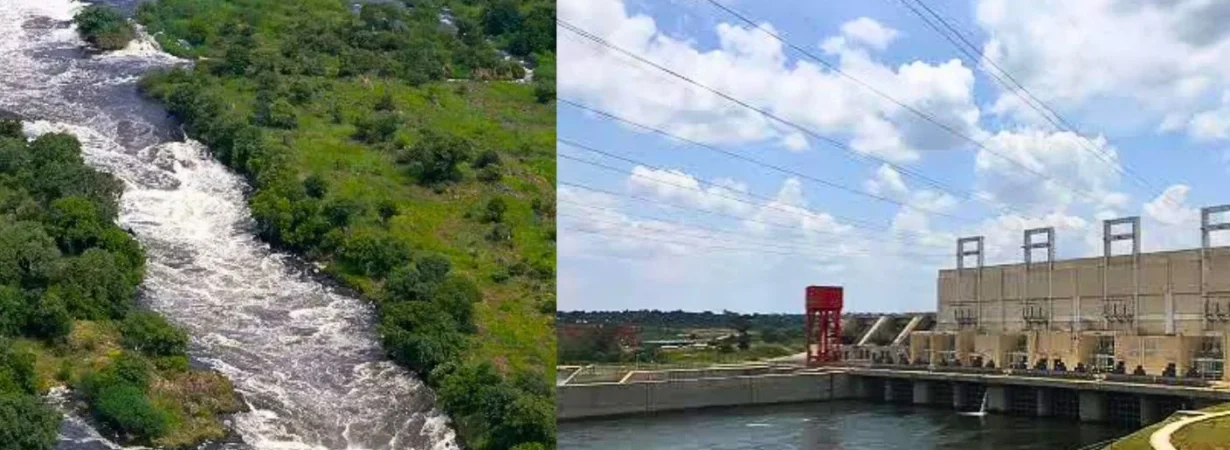
The agreement reached in September 2026 marks a watershed moment in diplomatic relations between countries, allowing for a new era in the politics of water in the area due to the approval of the Fula Dam in South Sudan. Egypt approves South Sudan Fula Dam, After much thought given to the various technical documents and environmental studies, Cairo has given the go-ahead to the Grand Fula hydropower project on the White Nile. This choice means significant progress has been made in regard to water cooperation in the Nile basin and also highlights the fact that this case is rather different from the current regional battles regarding building the water structures unilaterally. The approval allows South Sudan to fight its critical energy problems. In this article, we will explore the reasons for this agreement and what it means for the area in future.
Addressing the Energy Crisis: The Vision for Fula Dam South Sudan
The planned Fula Dam South Sudan is strategically situated in Eastern Equatoria State within the main tributary of the White Nile, the Bahr el Jebel, close to Nimule. South Sudan has one of the lowest access to electricity rates in the world. Most of its capital, businesses, and Juba are dependent on highly polluting, high-cost diesel generators.
Boosting Local Electricity Generation
Based on the regional energy plans, the first phase of the Grand Fula hydropower project is estimated to provide 40-100 megawatts (MW) of power. It is a run of the river facility, which will permit water to flow on natural course after electricity generation, thereby minimising the problem of massive diversion of water. South Sudan’s transition to hydropower will help reduce domestic energy prices, spur industrial development in South Sudan and eventually connect to the East Africa Power Pool.
Why Egypt Approves South Sudan Fula Dam
The upstream projects pose a serious threat to Egypt’s precious water resource, a fact which has been a historical concern. Cairo has been fighting with Ethiopia over the unilateral operation of the Grand Ethiopian Renaissance Dam (GERD), which supplies more than 90% of its water. So, why the other way round here?
The Success of the Nile Basin Initiative
It’s a matter of strong diplomatic adherence. Fula Dam South Sudan was one of the 36 water projects that were formally submitted under the Nile Basin Initiative. Juba made extensive engineering drawings and hydrological evaluations available to neighbors downstream for their review prior to construction.
The official sources from the Egyptian Ministry of Water Resources and Irrigation asserted that Cairo carefully studied these documents, confirming that Minister of Water Resources and Irrigation Hany Sewilam had studied them. Given the use of the prior notification, open exchange of data, and mutual consultation, Egypt determined that the downstream impacts of the dam were completely manageable. The procedure was transparent and managed to obtain Egypt’s backing, establishing an important precedent for water cooperation among the Nile basin.
The Strategic Future of Nile Basin Water Cooperation
Approval of South Sudan Fula Dam clearly conveys the message to the international community that Cairo is in favor of the development of the Fula Dam upstream as long as it respects the international rules of the game. Regional governments can confidently invite foreign investment into the region’s critical infrastructure without triggering geopolitical tensions through using the framework provided by the Nile Basin Initiative.
With the construction nearing completion, investors and foreign diplomats already have shown keen interest in the project, reports Eye Radio and Radio Tamazuj. This collaborative synergy has demonstrated that a shared resource can be a powerful means of bringing about shared economic growth.
The diplomatic agreement in September 2026 gives a huge boost to the development in East Africa. If Egypt approves South Sudan Fula Dam, then it gives South Sudan the green light to use the Nile Basin Initiative framework.If Egypt approves South Sudan Fula Dam, then it gives South Sudan the green light to use the Nile Basin Initiative framework. The construction of the Grand Fula hydropower development is progressing, and it is expected that this project will significantly impact the energy landscape of South Sudan and help maintain the hydrological equilibrium in the region. This historic agreement is an elegant demonstration of how countries can generate immense economic development and how they can protect their natural assets in a safe and secure manner through transparency in water cooperation along the Nile basin.
FAQs – Egypt approves South Sudan Fula Dam
Q1: Where is the Fula Dam located?
A: In Eastern Equatoria State, South Sudan, close to the Ugandan border, is the White Nile’s Fula Dam.
Q2: Why did Egypt approve the Grand Fula hydropower project?
A: Egypt approves the South Sudan Fula Dam project after Juba provided necessary technical studies through Nile Basin Initiative NBI, demonstrating that the run-of-the river project would have limited impact on water flow.
Q3: How much electricity will the dam generate?
The first phase of the project is expected to produce anything between 40 MW and 100 MW, thus decreasing, to a great extent, the reliance of South Sudan on expensive diesel generators.
Discover More Insights
Explore Cairo inflation middle class impact?
Discover how rising prices are affecting savings and daily life.
Check Algeria power plant deadline extension?
Explore updates on the 1.2GW energy project timeline.
Discover Turkey new electricity tariff changes?
Check how updated pricing will impact households and businesses.
Explore Qatar initiative boosting Syria power?
Discover efforts aimed at strengthening Syria’s electricity generation.
Check Beirut balcony lighting energy tips?
Explore efficient lighting ideas for Ramadan and beyond.