
Egypt-Mali Digital Cooperation: How the Nations Are Expanding E-Government Links
-
The Arab Post
- . September 29, 2026
- . Update: September 29, 2026 8:29 pm
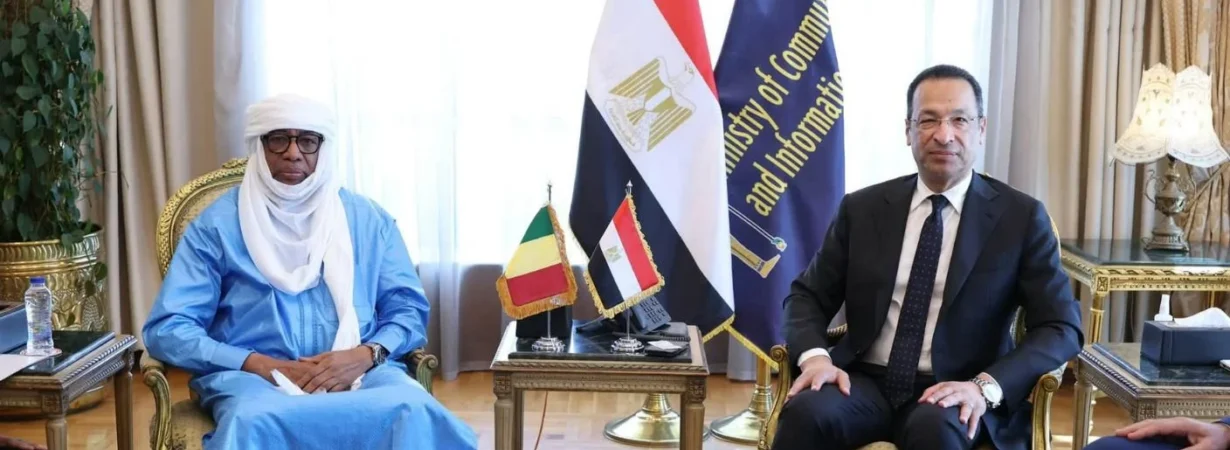
The collaboration between Egypt and Mali in the field of technology is growing rapidly and becoming more visible in Africa, which is quickly changing its technological landscape. Egypt Mali digital cooperation, Both countries are working on technology modernization, which consists of increasing the amount of e-government connections to thus improve the administrative process, increase cybersecurity, and facilitate sustainable economic development. This bilateral cooperation is making the public services of both Bamako and Cairo stronger and is one of the most important factors in the digital transformation of Africa. If you wish to learn more about the consequences of this technological partnership for public governance.
The Strategic Vision Behind Egypt-Mali Digital Cooperation
Egypt has long been claiming to be one of the main technological hubs in Africa. The Egyptian government is promoting exports of its technical knowledge via the Ministry of Communications and Information Technology (MCIT). Mali is seeking to transform its public sector from traditional to digital for increased transparency and citizen access, making Cairo the perfect partner.
The two governments have opted to strengthen their Maghreb digital cooperation by focusing on Egypt-Mali. They are laying the groundwork for a strong, mutually linked digital economy, where digital public services are designed for citizens and where Government networks are secure.
Focusing on Tech Capacity Building
Tech capacity building is a key element of this partnership. Cybersecurity and IT administrators, software engineers and IT trainers from Egypt and Malian are jointly organizing training courses. The World Bank’s Digital Economy for Africa plan identifies upskilling of local government staff as the most important measure to take for the long-term sustainability of technology.
Key Pillars for Expanding E-Government Links
This partnership agreement is very action-oriented. Both governments are looking to increase links between e-government and fundamental infrastructure through a number of specific projects:
- Digital Identity Systems: Working on digital identity systems that would enable citizens to get services like healthcare, voting, tax services online in a secure and centralized manner.
- Government Cloud Infrastructure: Sharing good practices for the development of localised sovereign cloud networks for the protection of sensitive national data.
- Cross-Border Data Sharing: Secure legal and technical regulations in cross-border data sharing to fight cybercrime and facilitate international trade.
- Paperless Administration: witchover from the traditional, bureaucratic system to digital, automated processes in Mali, using Egyptian software solutions.
Driving the Broader Africa Digital Transformation
This bilateral agreement is not a one-sided one. It has a strong linkage with the Africa’s broader technological aspirations, including the African Union’s Digital Transformation Strategy for Africa (2020-2030).
A ripple effect is created when regional powers work together. The Smart Africa alliance is based on the convergence of Mali’s administrative systems and Egyptian know-how. In general, organisations monitoring the continent’s development, like ITWeb Africa, also highlight that as North and West African countries make strides towards bridging digital divides, the whole continent comes closer to a common digital market.
Egypt is constantly engaged in diplomatic and technological cooperation in Africa, and one can keep abreast of the progress of these collaborations via the official statements of the Egyptian Ministry of Foreign Affairs:
The rapid growth of the Egypt-Mali digital cooperation is a proof of the ability of trans-border technological cooperation. Cairo and Bamako are not simply installing software, they are bringing e-government to people in a more intentional way to change the nature of citizens’ interactions with their government. As these collaboration projects in capacity building in the tech sector and secure data management begin to grow their roots, they represent a giant step forward in the overall digital transformation of the African continent, demonstrating that the future of governance of the continent is digital, collaborative and highly secure.
FAQs – Egypt Mali digital cooperation
What is the main goal of the Egypt-Mali digital cooperation?
The main purpose of the partnership is the modernization of the public sector through knowledge sharing, cybersecurity enhancement, and development of sustainable and digital services for citizens of both countries.
How are both countries expanding e-government links?
The methods include working together on digital identity systems, creating sovereign cloud environments, and capacity building of civil servants through joint technology implementation programs.
Why is this partnership important for Africa digital transformation?
By ensuring the integration of technology and policies in North and West Africa, the partnership can be used as a model for the Smart Africa initiative thus speeding up the creation of a common digital economy by the year 2030.
By successfully integrating technology and policy between North and West Africa, this partnership serves as a scalable model for the Smart Africa initiative, accelerating the continent’s transition into a unified digital economy by 2030.
Discover More Insights
Explore Cairo inflation middle class impact?
Discover how rising prices are affecting savings and daily life.
Check Algeria power plant deadline extension?
Explore updates on the 1.2GW energy project timeline.
Discover Turkey new electricity tariff changes?
Check how updated pricing will impact households and businesses.
Explore Qatar initiative boosting Syria power?
Discover efforts aimed at strengthening Syria’s electricity generation.
Check Beirut balcony lighting energy tips?
Explore efficient lighting ideas for Ramadan and beyond.