
Egypt Rejects World Cup 2026 Pride Match Theme: What If They Refused to Play?
-
Dhivyanshu
- . June 26, 2026
- . Update: June 26, 2026 7:34 pm
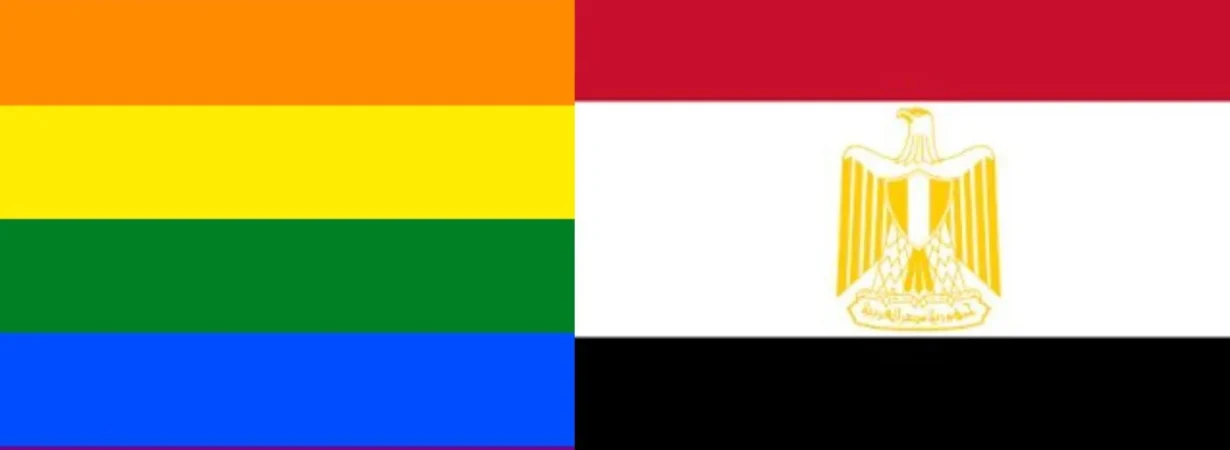
Tonight’s Egypt vs Iran World Cup 2026 fixture, which everyone’s been talking about, has turned into some kind of big off-pitch thing. It’s set for Lumen Field, and it’s a Group G match, but the timing lines up with Seattle’s yearly Pride weekend. Because of that, local organizers, kind of unofficially, started calling it a “World Cup Pride Match”. That label caused pretty fast backlash; both the Egypt national football team and the Iranian Federation said they don’t want it, and they went ahead and raised formal objections about the whole theme.
Even so, Egypt head coach Hossam Hassan has said they will take the pitch no matter what, and they’ll fight for their knockout stage spot. Still, the argument has started a global question people keep asking: if a country simply refused to play, what exact FIFA boycott penalties would actually apply?
The Controversy: Seattle’s World Cup Pride Match
The problem basically comes from a scheduling coincidence. Months before the tournament draw, when the Group stage matchups were arranged, the local organizing committee in Seattle already announced that the June 26 game would celebrate the LGBTQ+ community. Then, when the draw happened, it put two Muslim-majority nations into that exact fixture.
Afterward, both sides pushed back. The Egyptian Football Association put out a statement rejecting any kind of activities that would support homosexuality during the match. They said it conflicts with regional and Islamic cultural values, and they were pretty categorical about it. Iran echoed a similar position, and they demanded the Pride branding be removed completely.
FIFA’s Official Stance on the Match
One more thing people keep getting wrong, and it matters: this isn’t a FIFA-mandated theme at all. As a recent report in The Guardian explained, FIFA President Gianni Infantino said clearly that there’s no official “World Cup Pride Match”. Any celebrations, if they happen, are being arranged by outside local bodies only.
However, FIFA did reaffirm its commitment to inclusivity, which is basically something everyone already assumed, but still. Under the official tournament stadium guidelines, human rights symbols, including rainbow flags, will be permitted inside Seattle Stadium, provided they meet standard size restrictions, nothing more.
What Are the FIFA Boycott Penalties for Refusing to Play?
Meanwhile, while the Egypt national football team is fully ready to play tonight , a hypothetical boycott could unleash some of the most harsh sanctions across worldwide sports. As described in the FIFA Disciplinary Code 2026, declining to participate in a scheduled World Cup fixture triggers immediate and brutal consequences.
So if a team were to walk away from the match, or just refuse to step onto the pitch, the FIFA boycott penalties would include a few big things like this:
- Automatic Forfeiture: The refusing team would immediately forfeit, and the result is officially logged as a 3–0 win for the other side.
- Massive Financial Fines: The national federation would lose all rights to UEFA/FIFA tournament payouts, plus it would face multi-million dollar fines, meant to cover broadcast and ticketing shortfalls.
- Tournament Disqualification: The FIFA Disciplinary Committee has the power to remove the nation from the current World Cup completely, and it could also lead to a ban from later qualification cycles too.
If you want more context, you can read more about how FIFA handles extreme disciplinary breaches through Sky Sports’ ongoing World Cup coverage.
Why Both Nations Will Take the Pitch
Even with all that political and cultural friction simmering in the background, honestly, a walkout was never really on the table as a credible idea. Both sides have huge sporting intentions wrapped up in this Egypt vs Iran World Cup 2026 fixture, and you can feel it.
At the pre-match press conference, it was like both camps automatically switched off anything that wasn’t directly football-related. Egypt’s Hossam Hassan came out very plainly, saying his squad respects FIFA’s fair play rules and is locked in on winning. Likewise, Iranian head coach Amir Ghalenoei underlined that his team’s only attention is the pitch, and he basically pushed aside the Seattle Pride events around the stadium area, like those things were scenery and nothing else. With Egypt sitting top of Group G on 4 points, and Iran still chasing their first ever ticket to the Round of 32, the sports stakes just crush anything off the field.
Sure, the lead up to the Egypt vs Iran World Cup 2026 match has been kind of messy and clouded by those off-pitch issues tied to Seattle’s World Cup Pride Match branding. Egypt’s national football team formally refused the local theme for cultural reasons, but in practice, the strict FIFA boycott penalties, plus the sheer hunger to reach the knockout rounds, mean the game will stay the main course. So when the referee blows the whistle tonight, expect a tightly wound, pressure-cooked clash where both nations are trying to keep their World Cup chances breathing.
FAQs
Did FIFA force Egypt to play in a World Cup Pride Match?
No. The Pride Match branding was maybe set up by the Seattle local organizing committee, not FIFA. FIFA President Gianni Infantino has officially clarified that the global governing body keeps a sort of neutrality and treats this fixture like any other group stage match, you know.
Will rainbow flags be allowed inside the stadium tonight?
Yes. Even though there were objections from both the Egyptian and Iranian federations, FIFA has said rainbow flags are still permitted under the official World Cup 2026 Stadium Code of Conduct, as long as they follow normal safety rules and size limits.
What happens if a team walks off the pitch in protest?
In the usual FIFA boycott penalties, walking away from the match triggers an automatic 3-0 forfeiture, serious monetary penalties, and it’s very likely the Disciplinary Committee will remove the team from the tournament.
You May Also Like
Could These Arab Stars Dominate?
Explore the top Arab football stars expected to make a huge impact at the FIFA World Cup 2026.
Can These Broadcasters Change Coverage?
Discover how beIN SPORTS is transforming World Cup 2026 coverage with more than 80 football stars.
Want Free World Cup Streaming Options?
Check the best ways to watch the 2026 FIFA World Cup live for free across the Levant region.
Could Saudi Arabia Host History?
Explore how Saudi Arabia’s FIFA World Cup 2034 bid is shaping the future of global football.
Which Streaming Platform Is Better?
Discover whether TOD App or beIN Connect offers the best World Cup 2026 streaming experience.