
Iraq Proposes New ‘6+2’ Gulf Security Framework to Ease Middle East Tensions
-
The Arab Post
- . September 5, 2026
- . Update: September 8, 2026 6:55 pm
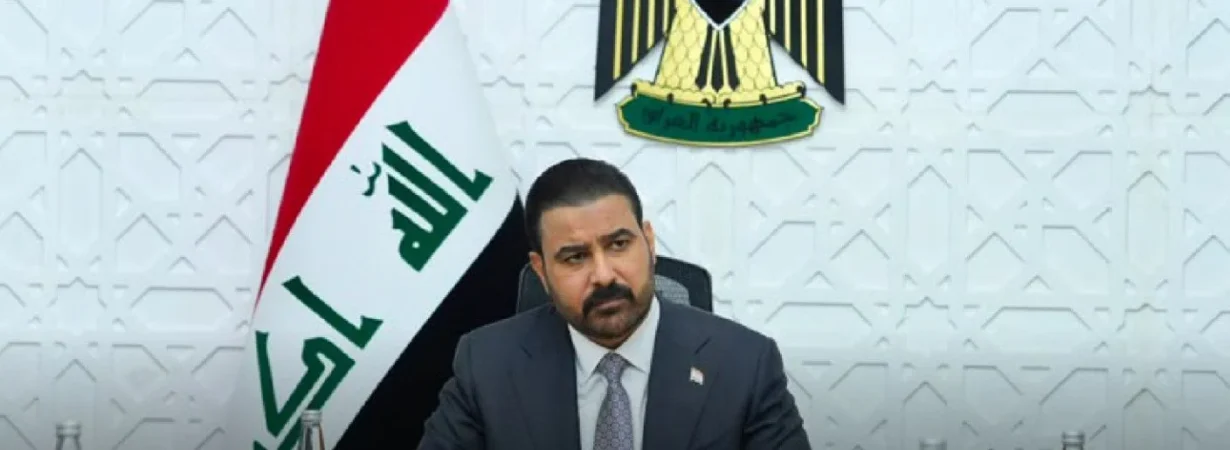
Geopolitical environment changes as Baghdad plays active role in peacemaking. The Iraqi government in early September 2026 announced a major new foreign policy move to calm one of the world’s most explosive areas. The historic 6+2 Gulf security framework aims to facilitate dialogue and de-escalate tensions between the six member countries of the Gulf Cooperation Council and Iraq and Iran. If you are keeping up with global politics, then here is a breakdown of this historic Iraq security proposal, what it means and how it will shape regional security for years to come.
What Is the 6+2 Gulf Security Framework?
The new diplomatic formula, led by Iraq, aims to establish a single security discussion among the eight countries bordering the Arabian Gulf basin. The program, unveiled by Iraqi National Security Adviser Qasim Al-Araji, is a direct response to the dire “crisis of confidence” between Arab Gulf countries and Tehran.
The Core Principles of the Iraq Security Proposal
The initiative rests on the bases of mutual respect and non-interference. The proposal, according to new reports from The New Arab, has a single point of commitment: not to threaten neighbouring states from the territory of any state.
The framework has several key components that include:
- Sovereignty: Respecting the borders and independent decision-making of all the participants’ nations to the fullest.
- Neutrality: The policy of isolation of the countries in the Gulf from the international conflicts.
- Direct Dialogue: To set up a permanent communication link between the Gulf Cooperation Council (Saudi Arabia, UAE, Qatar, Kuwait, Bahrain, Oman) and Iraq and Iran.
Why Baghdad Wants to Ease Middle East Tensions
Iraq is in a very precarious geographical and political position as conflicts continue to rock the region. Baghdad is seeking to use this Iraq security initiative to redefine its role as a key diplomatic link and not as a proxy conflict arena.
The Iraqi Ministry of Foreign Affairs is actively pushing back against the use of its soil for foreign attacks by promoting regional security. In a statement quoted in the [suspicious link removed], Iraqi officials acknowledge a peaceful, cooperative relationship with Iraq’s formidable neighbors is a key part of the long-term stability of the country.
Regional Reactions to the 6+2 Gulf Security Framework
There have been mixed responses to the program, reflecting the multifaceted nature of Middle East politics.
- Iran’s Support: During a series of talks that took place in Baghdad, Iranian Foreign Minister Abbas Araghchi announced his country’s acceptance of the proposal. Iran is backing development of a regional architecture that is operated by neighboring countries and is free from outside influence, says the Iran’s Ministry of Foreign Affairs.
- GCC Caution: However, the Gulf Cooperation Council has not yet made a formal response regarding the Gulf, GCC Caution. The Gulf leaders are currently very focused on being neutral in the region’s ongoing conflicts and may be wary of signing another security pact until Iraq is able to completely control armed groups within its own borders, analysts say.
The 6+2 Gulf security framework, announced yesterday, is a radical, theoretical plan for peace in the Middle East – and it is now in place as the region’s tensions reach their highest levels in decades. The Iraq security plan has a lot of challenges, particularly obtaining a formal statement from the Gulf Cooperation Council, as well as controlling domestic armed groups, but it does point to Baghdad’s strong resolve to act as a peacemaker. This bold project, if successful, could lay the groundwork for regional security, finally, taking a cooperative and self-reliant path across the Arabian Gulf.
FAQs
Q1: What is the 6+2 Gulf security framework?
A: Iraq put forward a diplomatic plan. It aims to link the six Gulf Cooperation Council states with Iraq and Iran. The goal is to work on regional security and lower tension across the Middle East.
Q2: Who introduced the Iraq security proposal?
A: Iraqi National Security Adviser Qasim Al-Araji shared the idea. Foreign Minister Fuad Hussein also backed it.
Q3: How did Iran react to the proposal?
A: Iran’s Foreign Minister Abbas Araghchi said he was open to it. He added that Gulf security should be handled by the countries in the area. He said outside parties should not interfere.
Q4: Will the Gulf states accept the proposal?
A: The GCC has not sent an official response yet. For now, they are careful. They are trying to stay neutral as tensions in the Middle East rise.
Discover more Insights
Explore Iran War Lessons Globally?
Explore how the 2026 Iran war reshapes global power and strategy.
Discover Iran Delay Strategy Tactics?
Discover how Iran uses delay, repression, and proxy influence.
Check Trump Iran Strategy Importance?
Check why Trump’s Iran strategy depends on Gulf allies.
Explore Iran Military Warning Signals?
Explore rising warnings from Iran alarming global powers.
Discover Sudan Iran Axis Threat?
Discover how the Sudan-Iran axis raises serious regional concerns.