
Iraq’s Oil Diversification Gamble: Can New Export Routes Shield Its Energy Lifeline?
-
The Arab Post
- . September 4, 2026
- . Update: September 8, 2026 6:58 pm
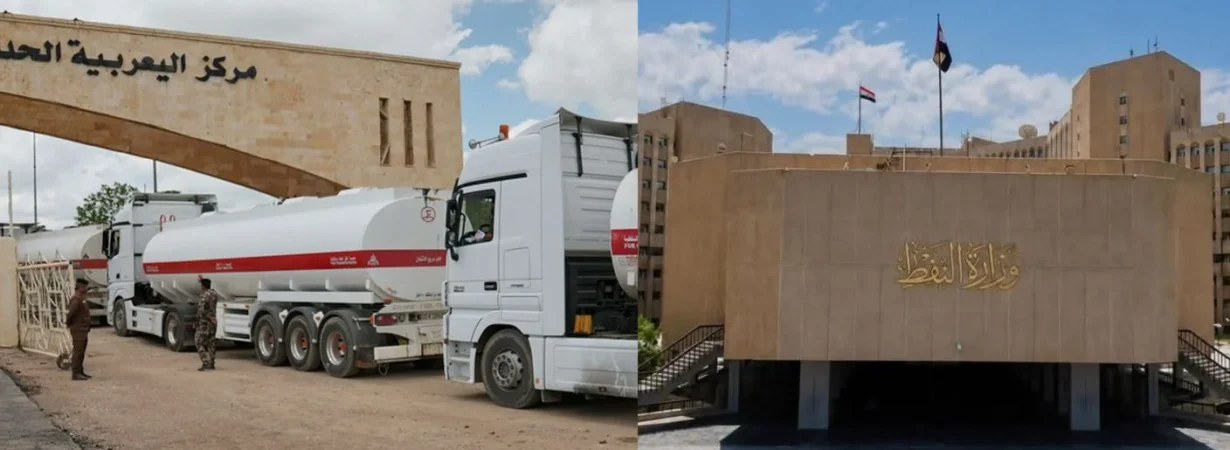
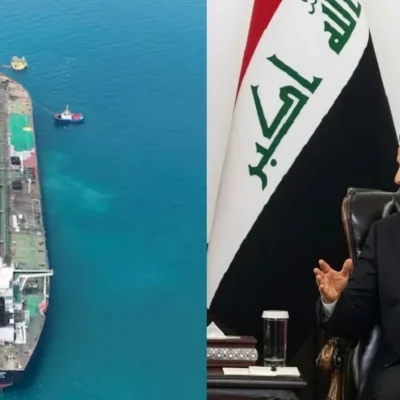
For decades, Iraq’s colossal oil reserves have been trapped by one geographical weakness, the Strait of Hormuz. Iraq oil export routes, Tensions between the Iraqi government and the United States have grown to a sharp level, causing a severe export bottleneck of 800,000 bpd, which is making Baghdad feel a strong need to review its entire macroeconomic plan. To safeguard its economy, the government is embarking on an ambitious Iraq oil diversification plan. The establishment of strong new oil export routes through Iraq, which entirely skirt the volatile maritime choke points, will ensure long-term Iraqi energy security. However, what is actually the likelihood that these mega-scale infrastructure projects – costing billions of dollars – can protect Iraq’s economic lifeline from turmoil in the area?
The Vulnerability of Basra Oil Exports
For now, the bulk of Iraq’s income comes from its southern seaports. All of these exports of oil from Basra rely on the safe and unhindered transportation of oil through the Strait of Hormuz. The US Energy Information Administration (EIA) considers this strait to be one of the world’s most important throughways.
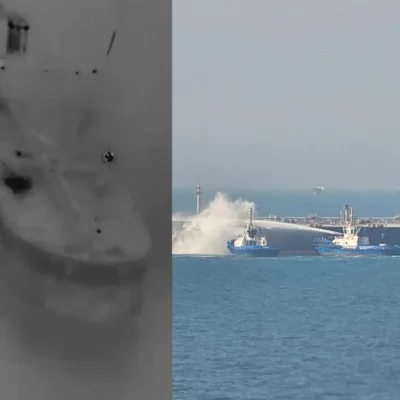
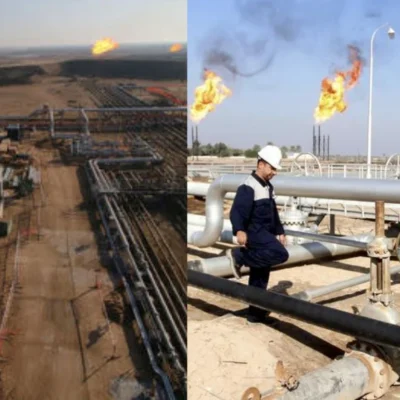
So if there is a regional problem or if there’s a shipping lane that’s not available, Iraqi crude will be essentially stuck. This has been confirmed in recent industry reports, where this is the cause of crippling revenue loss, showing that having a large production capacity is no use if you can’t deliver it. The official Ministry of Oil Iraq is now rushing to implement overland oil pipelines to the Mediterranean and the Red Sea, realizing the need for such an urgent measure.
Mapping the Future of Iraq Oil Export Routes
For true Iraqi energy security, the government is working on a number of different pipeline corridors with great vigor.
Reviving the Kirkuk-Ceyhan Pipeline
In August 2026, Iraq signed an important interim agreement for one year with Turkey’s state pipeline company, BOTAŞ. Under this strategic cooperation, an initial export capacity of 750,000 bpd will be ensured via the Kirkuk-Ceyhan pipeline. This would bring in the northern crude directly to the Turkish Mediterranean coast and could temporarily ease the logistical strain on the southern Gulf ports of Baghdad, before negotiations on a long-term energy deal are concluded.
The Basra-Haditha Network and the Iraq-Jordan Pipeline
The highlight of Iraq’s plans is the recently expedited $4.6 billion cross-country pipeline system. Prime Minister Ali al-Zaidi ordered officials to speed up the pipeline linking the southern oilfields in Basra and the Haditha hub in western Anbar in September 2026.
The crude may branch out from the Haditha hub, through several borders:
- Syria: A proposed pipeline that connected to the Mediterranean port of Baniyas, which was recently supported by a global group of companies including Chevron and TotalEnergies.
- Jordan: The long-awaited Iraq-Jordan pipeline, which is supposed to end at the Red Sea port of Aqaba, providing Iraq a southern route to the Gulf.
- Turkey: Extension of a line from Fishkhabur to Ceyhan.
Why Iraq Oil Diversification is the Ultimate Game-Changer
The successful implementation of these projects will significantly alter the energy landscape in the Middle East as a whole. The International Energy Agency (IEA) has throughout its history emphasized the importance of having diversified supply chains in place that can help stabilize markets in the world. The internal advantages of this gigantic overhaul of the infrastructure are:
- Bypassing Chokepoints: Replacing the single use of the Strait of Hormuz. International – U.S. Energy Information Administration (EIA)
- Market Flexibility: Direct and quick access to buys in Europe and Western countries through Mediterranean.
- Sovereign Resilience: The protection of the national budget from unexpected conflicts at sea and conflicts about maritime fees.
To be dependent on the Persian Gulf is a geopolitical risk that Iraq no longer can afford to take. The push to diversify Iraq’s economy is continued in an aggressive manner for oil diversification. The country is fast establishing a long-term safety hedge for its most important asset – by accelerating the Basra-Haditha network and reestablishing key Mediterranean routes. These new oil export routes from Iraq will not only ensure the country’s energy security but will also forever change the global oil trade’s geopolitical landscape if Baghdad can clear the logistical and security hurdles.
FAQs – Iraq oil export routes
Q1: Why is Iraq changing its oil export strategy?
A: Trouble in parts of the region, plus a major problem with shipping near the Strait of Hormuz, has made Basra oil harder to move out in a steady way. Baghdad is now pushing other overland routes for Iraq oil exports so the economy is less at the mercy of sea issues.
Q2: What is the Kirkuk-Ceyhan pipeline agreement?
A: It is a new arrangement that sets aside 750,000 barrels per day in export capacity. Oil would go from northern Iraq through Turkey and reach the Mediterranean at the port of Ceyhan. This is meant to strengthen Iraq’s energy situation.
Q3: How does the Iraq-Jordan pipeline fit into this plan?
A: The plan includes linking the Basra-Haditha pipeline system to Jordan’s port at Aqaba. The aim is to diversify exports and give Iraq another option on the Red Sea that is expected to be calmer than shipping lanes elsewhere.
Q4: Who is managing these new pipeline projects?
A: Iraq’s Ministry of Oil is managing the work closely. It is also partnering with outside groups. Those groups include firms such as Chevron, TotalEnergies, and UCC Holding.
Discover more Insights
Explore Iran War Lessons Globally?
Explore how the 2026 Iran war reshapes global power and strategy.
Discover Iran Delay Strategy Tactics?
Discover how Iran uses delay, repression, and proxy influence.
Check Trump Iran Strategy Importance?
Check why Trump’s Iran strategy depends on Gulf allies.
Explore Iran Military Warning Signals?
Explore rising warnings from Iran alarming global powers.
Discover Sudan Iran Axis Threat?
Discover how the Sudan-Iran axis raises serious regional concerns.