
How the Iran-Hormuz Crisis Will Increase the Cost of Fuel and Food in Africa
-
The Arab Post
- . August 12, 2026
- . Update: August 12, 2026 5:03 pm
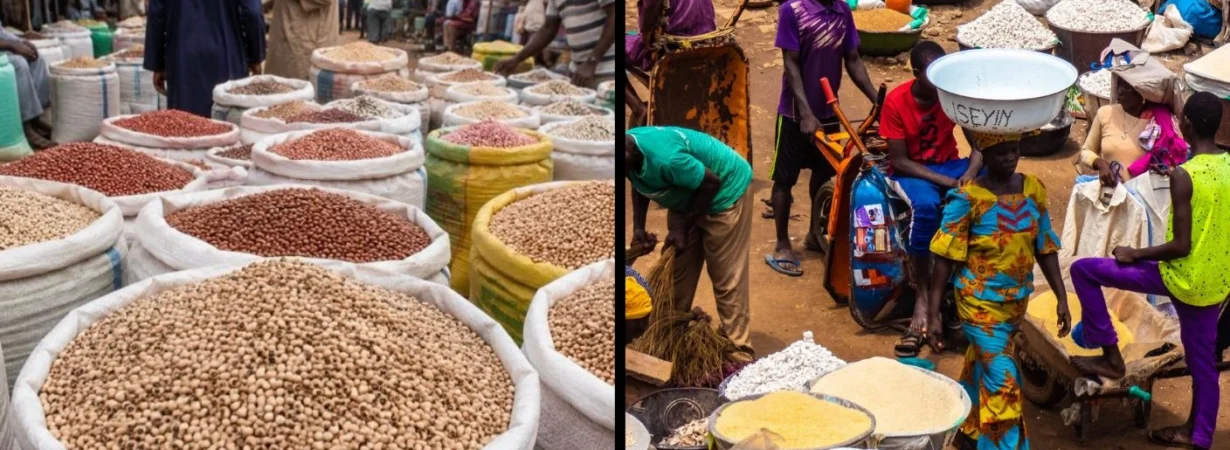
With the escalation of the Iran-Hormuz crisis, Africa faces a new economic shock when its economies have been hit hard by high cost of living, weak currency, and expensive imports. Disruption of trade in the Hormuz area affects global energy markets and increases pressure, which could spill into increased costs of fuel and food at fuel stations and farms.
The impact will be felt most by those African countries which rely on imports for their energy needs and manufacturing goods.
The Importance of the Strait of Hormuz to Africa
The Strait of Hormuz is one of the major maritime routes of the world for energy products. Prolonged disruption leads to an increase in the price of global crude and refined fuel as well as the cost of insurance, shipping, and freight charges.
The impact is felt quickly by consumers in Africa.
International increases in oil prices increase the cost of importing petroleum products, while the rise in the cost of shipping adds another cost to the cost of the products.
Countries that have high dependence on imported petroleum products have a high risk of increased cost of production.
Even the oil producers may not be immune to this effect.
In Nigeria, for instance, the country has been heavily dependent on imported refined petroleum products because the refining plants have been unable to satisfy the demand.
As a result, any increase in international oil prices will reflect in an increase in the cost of production of goods and services.
Fuel Cost Will Lead to Increase in Transport Costs
The quickest way that an energy shock will affect households is through increased cost of transport.
Petrol and diesel fuels are required for the functioning of trucks, buses and machines used in agriculture.
An increase in the cost of the fuels will increase the cost of transportation of goods from the farm, factory and port to urban areas.
Firms will always pass on the cost of transportation to consumers.
Supplies of Fertilizer Undergo Yet Another Shock
Energy is essential to agriculture too.
There is an ample amount of fertilizer trade going via the routes associated with the Gulf region. Therefore, disruptions in Hormuz would impact the accessibility and prices of agricultural inputs.
For the farmers of Africa that rely heavily on imported fertilizers, this means either high costs or late supplies.
Kenya and Tanzania are among the agricultural economies that would be affected by the rising input costs.
Farmers who find the price of fertilizer too high may simply use less fertilizer on their crops.
This will eventually affect the yield of those crops.
Reduced yield together with the increasing transport cost would cause an additional food price shock.
Why Currency Weakness Exacerbates the Problem – Hormuz crisis
The energy crisis would put an additional strain on the currencies of Africa.
In periods of geopolitically risky situations, investors tend to become more risk-averse and seek safe-haven investments like the US dollar. At the same time, the countries that spend more on the import of energy and food require additional foreign currency.
This can put further strain on local currencies.
Weaker currencies mean that goods become even more expensive since governments, companies, and consumers will have to pay even more local currency to buy the dollar-denominated products.
In such a case, one would see a tricky situation where fuel prices, weaker currencies, and higher food prices coincide.
Debt and Government Spending in Difficult Situation
Governments can also be faced with tough decisions.
Those countries that provide subsidies for fuel and food will need to spend extra money to shield their citizens from foreign price hikes. However, the government already burdened by debt has little fiscal room to manoeuvre.
Higher import expenses may also widen budget problems and current account imbalances.
In the case of Kenya, Angola, and Congo, a long-term external shock may add pressure to seek extra help or take strict measures.
Some Winners Can Be Found in Africa Too
The current crisis is not only bad news.
Higher global oil and gas prices could provide an opportunity for African countries that export oil and gas to increase their exports and production. Economies with refining capabilities could have an advantage over those that need to import oil and gas products.
Nonetheless, all this depends on having the infrastructure to make such advantages possible. The current problem for many import-dependent economies is how to avoid another bout of inflation.
Discover more Insights
Explore Iran War Lessons Globally?
Explore how the 2026 Iran war reshapes global power and strategy.
Discover Iran Delay Strategy Tactics?
Discover how Iran uses delay, repression, and proxy influence.
Check Trump Iran Strategy Importance?
Check why Trump’s Iran strategy depends on Gulf allies.
Explore Iran Military Warning Signals?
Explore rising warnings from Iran alarming global powers.
Discover Sudan Iran Axis Threat?
Discover how the Sudan-Iran axis raises serious regional concerns.