
Iraq Decent Work Programme 2026-2029: Shifting from Recovery to Labor Protection
-
The Arab Post
- . September 10, 2026
- . Update: September 10, 2026 10:46 pm
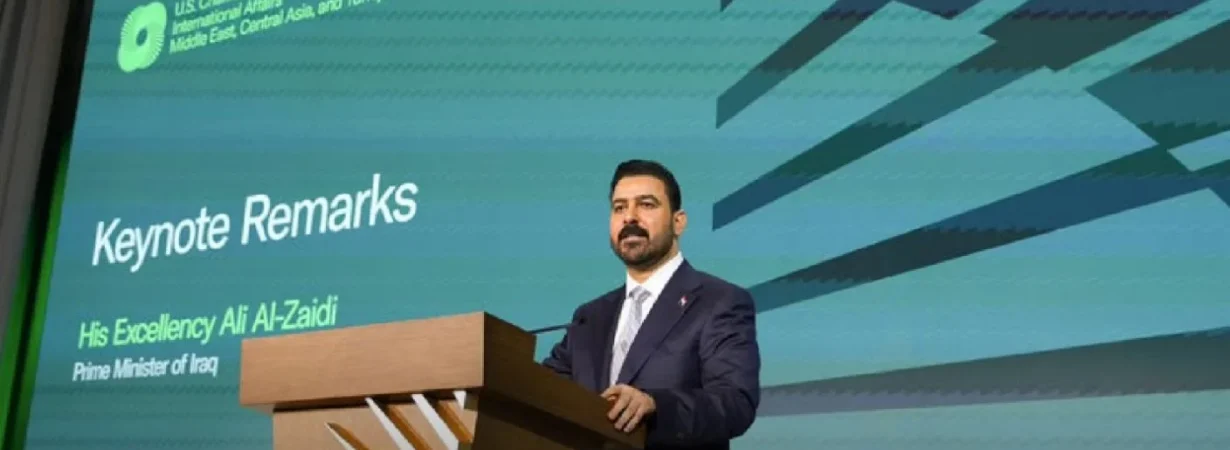
The capital of Iraq, Baghdad, has spent years focusing on recovery from all sorts of crises. However, now, it is on its way towards the development of a sustainable labour market. Since the beginning of September 2026, the government of Iraq and the ILO have been executing the Iraq Decent Work Programme for 2026-2029. The programme marks a transition from a recovery phase to a stage of development and concentrates on creating a labour market necessary for Iraq’s stability. During the next four years, the programme will deal with the issues related to workers’ rights, social protection, and economic diversification. Below are the reasons why this turn is so important for business and citizens.
The Core Shift: Why Recovery Is No Longer Enough
The Iraq labor strategies for the past decade or so have been reactive, primarily dealing with post-war reconstruction and emergency employment. These essential interventions gave temporary respite, but did not necessarily lead to the career stability and structural rights necessary for today’s workforces to flourish.
The new framework turns that all around. The Iraq Decent Work Programme 2026-2029 is designed to develop a resilient and formalized economy. The program links education, skills training and private sector growth, with the support of partners from across the world, such as the European Union and the Governments of Germany, Italy and the Netherlands.
Priorities of the Iraq Decent Work Programme 2026-2029
The strategy which was agreed by the Ministry of Labour and Social Affairs, workers’ unions and employers is focused on three interrelated priorities:
- Skills and Inclusive Employment: Enhancing the maximum access to market-relevant skills, with focus on youth, women and vulnerable populations.
- Economic Diversification: Providing support to businesses in the private sector that need to diversify the economy from a high dependence on the public sector and on oil prices.
- Quality of Work: Improving the quality of jobs through comprehensive, rights-based social protection for all workers.
ILO Decent Work Iraq: Empowering the Private Sector
Improving the safety net for private-sector workers is one of the key elements of the ILO decent work Iraq programmes. In the past, Iraqis’ inclination for public-sector employment was due to its high level of security and pension benefits. Government needs to ensure the same securities in the private sector to promote the growth of private enterprise and to spur real economic diversification.
This is reflected by some recent legal developments. Iraq ratified the Social Security (Minimum Standards) Convention in March 2023 and, under the framework of the Convention for the period 2026–2029, the emphasis is on implementation. The proportion of workers covered by the social security law in Iraq will rise dramatically when the services are digitised and the sickness and maternity branches are implemented, according to the UN in Iraq.
Translating Workers’ Rights into Tangible Action
One of the hallmarks of this progressive agenda is the use of ‘tripartite social dialogue’. This implies that government, employers, and workers’ unions are all equal partners in formulating policies and making them work.
It has already been said in the program’s launch event in Baghdad that there can be no decent work without decent jobs. The coordinated efforts help assure that as the economy develops, the rights of workers also develop in accordance with the global regulations in the field such as SDGs 8, Decent Work and Economic Growth.
The launching of the Iraq Decent Work Programme 2026-2029 marks an important milestone in the economic history of the country. Ending the situation of emergency relief constitutes an important step towards planning a better and more diversified future. In other words, this is a significant transition from the period of recovery to the period of sustainable development, as the process will guarantee the protection of workers’ rights, namely the achievement of full social protection.
FAQs
Q1: What is the Iraq Decent Work Programme 2026-2029?
A: It is a four-year strategic framework signed by the government of Iraq, employers, workers’ organizations, and the ILO with the aim to promote sustainable employment, economic diversification, and strong labor rights.
Q2: Why is there a shift from recovery to long-term development?
A: Earlier, the focus was on emergency and post-conflict job creation. The new approach focuses on labor market transformation which is what Iraq needs for sustainable economic advancement and bringing the private sector into formal activities.
Q3: How does this impact social protection?
A: The plan increases access to social security for private sector employees, meaning that services that are usually provided for employees in government sector, like sickness benefits, maternity leave, or pension payments, will be accessible for those who work for private employers.
Q4: Who is funding this initiative?
A: It gets a lot of support from many international donors like the EU, Germany, Italy, and the Netherlands.
Top Picks For You
Discover top Middle East tourist sights?
Explore must-visit landmarks across the region for travelers.
Explore essential apps for Arab travel?
Check must-have apps to simplify your trip planning.
Check common travel mistakes Arab countries?
Discover key errors tourists should avoid during visits.
Explore top Arab festivals for tourists?
Discover unique cultural events across non-GCC destinations.
Check tourist safety tips Arab countries?
Explore essential precautions for safe and smooth travel.