

Iraq Reopens Western Airspace to Civilian Use: What Changes for Flights?
-
The Arab Post
- . September 19, 2026
- . Update: September 19, 2026 4:51 pm
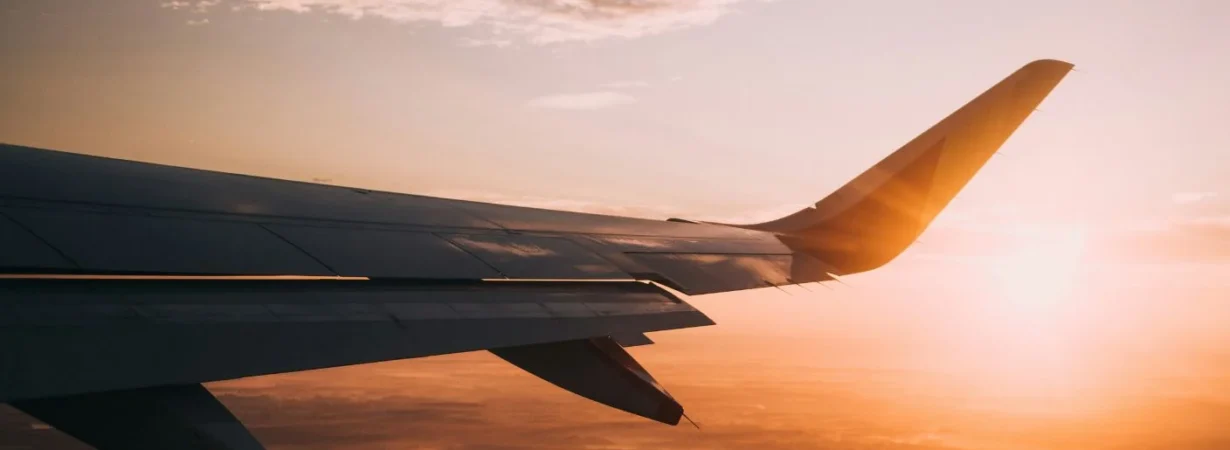
A significant step in the Middle East aviation industry was taken when the Iraqi government opened the western portion of the airspace to civilian planes in September 2026, after having banned them for almost ten years. Iraq reopens western airspace, For the first time, it will turn the skies of Iraq back to civilian control and allow international airlines to make the best use of their airspace in the country. The move will help lower civil aviation restrictions and shorten flights, making it easier for the national economy to develop and fundamentally changing civil aviation in Iraq.
The End of a Nine-Year Military Restriction
For many years, it was necessary to make complicated detours when traversing the skies of the Middle East. From 2016 to 2017, the entirety of the Syrian/Jordanian borders of the Nineveh province of the north of Iraq and down to Anbar desert was off-limits for any military operations. The areas were important during the Iraq war against the Islamic State (IS) for the Iraqi Air Force and the US-led international coalition.
That’s why, now, the airspace management team at the Air Operations Center officially announces the end of use of these military zones. The full control of the airports was handed over to civilian authorities, Ehab Saad Karim, director of the General Company for Airports and Air Navigation Management, announced.
How Redesigned Iraqi Airspace Flight Routes Benefit Airlines
The decision to open up the skies to the West is likely to provide short-term advantages to the aviation industry around the world.
Shorter and More Efficient Flight Paths
The Iraqi Civil Aviation Authority (ICAA) has opened up these closed corridors, so that commercial flights can fly directly through western Iraq. This significantly decreases the need of aircraft to fly longer and longer routes just to avoid existing military areas.
Shorter Iraqi Airways flight routes to other airspace mean that for commercial carriers it is a direct saving in terms of fuel burnt, costs and the travel time between Europe, Asia, and the Gulf.
Economic Impact: Boosting Iraq Navigation Revenue
This change is not just about logistics of the airlines – but also a very profitable opportunity for Baghdad. Countries located under the major routes of international flights make a lot of money from the fees of these types of flights.
All airplanes that fly over the land pay a transit fee for each commercial airplane. The government hopes to see a huge rise in Iraq navigation revenue, further in the Middle East, as commercial overflights are increased due to optimisation of the airspace used in the region. Regional economic recovery hinges on the ability to manage the airspace efficiently and Iraq is starting to do just that by converting its investments in airspace to sustainable national income, IATA pointed out.
The October Deadline and Coalition Withdrawal Context
It’s a complex process since it’s going from war to peace. The Ministry of Transport has set the deadline for all the changes to be made in the aeronautical information publications of Iraq until October 1, 2026. This will guarantee that the worldwide navigation system for the airlines is fully updated prior to its introduction.
Importantly, the changes in these airspace restrictions go hand in hand with the geopolitical changes. The handover is part of Baghdad and Washington’s withdrawal process, which will allow for the orderly withdrawal of the last American and allied troops from Iraq, official reports from Reuters said. This continuous changeover of troops is very well coordinated with U.S. Department of Defense.
Opening Iraq to western civilian flights is a huge step in the nation’s recovery from war. The government is now in the process of modernizing civilian aviation in Iraq by handing over control of the country’s airports and air navigation management to the General Company for Airports and Air Navigation Management in a seamless manner. This October, new, very efficient Iraqi airspace flight routes will be activated, offering international airlines quicker transit times and Iraq a precious income on Iraq navigation that will help boost its still strong economic recovery.
FAQs – Iraq reopens western airspace
Q1: Why did Iraq reopen its western airspace now?
A: Iraq has re-established its airspace in the west after the end of military operations against the Islamic State in those regions and confirmation from the airspace management team that the zones would no longer be used by the US-led coalition or the Iraqi Air Force.
Q2: When will the new civilian flight routes be operational?
A: The complete quickening of technological and legal processes, including the amendment of Iraq’s aviation publication for international airlines, is to be finished by 1 October 2026.
Q3: How does this impact civilian aviation in Iraq?
A: It enables the development of new Iraqi airspace flight paths that will be shorter and more efficient when it comes to air traffic flow.
Discover More Insights
Explore Cairo inflation middle class impact?
Discover how rising prices are affecting savings and daily life.
Check Algeria power plant deadline extension?
Explore updates on the 1.2GW energy project timeline.
Discover Turkey new electricity tariff changes?
Check how updated pricing will impact households and businesses.
Explore Qatar initiative boosting Syria power?
Discover efforts aimed at strengthening Syria’s electricity generation.
Check Beirut balcony lighting energy tips?
Explore efficient lighting ideas for Ramadan and beyond.