
Iraq Officially Resumes Kirkuk-Ceyhan Crude Oil Exports to Türkiye After 12-Year Halt: What It Means for the Economy
-
The Arab Post
- . November 18, 2026
- . Update: November 18, 2026 2:57 pm
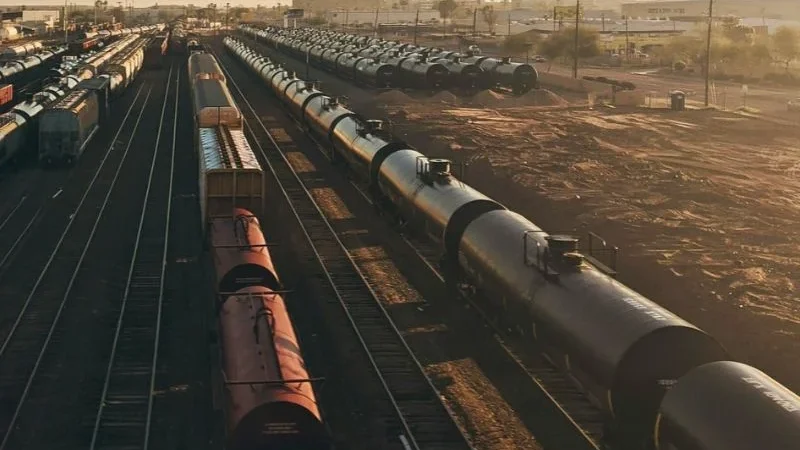
The Iraqi government on November 17, 2026, made a monumental progress in the field of energy. Baghdad finally re-opened oil exports to the Mediterranean via Kirkuk, a key strategic route, after a 12-year ban. Historically, Kirkuk-Ceyhan oil exports, Iraq has started selling oil to Türkiye in a critical moment for its economy because of the threats of the Strait of Hormuz, as well as regional conflicts to traditional oil routes.
The Return of the Kirkuk-Ceyhan Pipeline
The 960-kilometer pipeline, which connects the oil-rich northern fields of Kirkuk to Türkiye’s Mediterranean port of Ceyhan, had been shuttered since 2014. The road was closed multiple times by the terrorist organisation ISIS (Daesh) resulting in the destruction of the infrastructure along the way. The last ten years, Baghdad has invested a considerable amount of resources in rehabilitation, maintenance and technical tests of the federal pipeline.
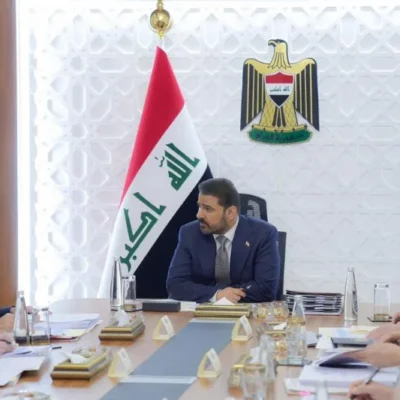
Resumption of flows was announced by Iraqi Oil Minister Basim Mohammed Khudair. The minister, in his statement made by state-owned publisher as reported, confirmed that pumping has started at a rate of 120,000 bpd. After additional operational tests, the Ministry of Oil will be ramping up this capacity to 500,000 bpd over time.
Strategic Significance Amid the Hormuz Crisis – Kirkuk-Ceyhan oil exports
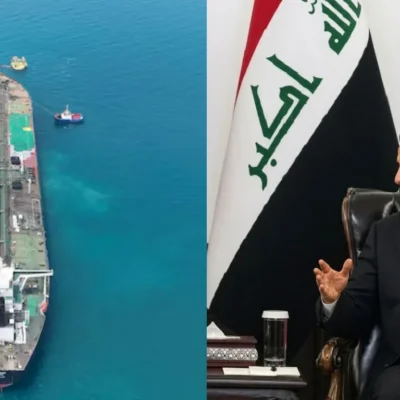
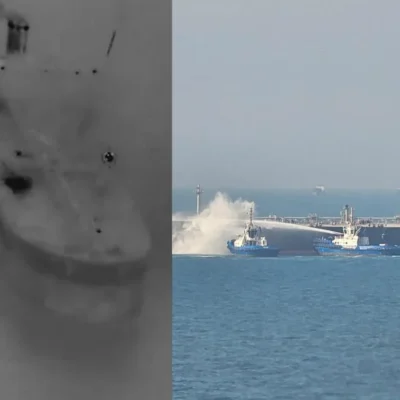
This revival of infrastructure is very timely. As the situation in the Gulf grows more unstable with the possibility of a regional war likely to hamper movement of maritime tankers, securing overland bypass of the Strait of Hormuz has become a matter of national security for Baghdad. Until these disturbances, almost all of Iraq’s crude exports would pass through the disputed Strait.
Iraq has made a good headway in the revival of the northern route thus minimizing its vulnerability in the Gulf. As reported by Arab News, the move involves diversifying the country’s major source of income, its exports, to prevent a sudden blockade by the sea waters.
Revitalizing the Iraqi Economy
The return of the Kirkuk-Ceyhan crude oil exports is a big financial success for Baghdad. The World Bank says that oil revenue has usually made up more than 90% of Iraq’s federal budget. In times when Iraq sought to find workarounds to the former laws or when it was under the blockade of the Gulf countries, it had to sell crude at a heavily negotiated discount.
Oil Minister Basim Mohammed Khudair pointed out that through the Mediterranean route the country is able to sell its crude oil at premium global market prices without the need to artificially reduce prices. In August 2026, Iraq and Türkiye signed a one-year deal to keep the supply of oil at its current levels of up to 750,000 bpd within a wider transit deal.
The continual export of Iraq oil to Türkiye will be a significant and immediate boost to the Iraqi economy as it will avoid the controversial waters and also allow the Iraqi export capacity to grow. This fresh financial strength is crucial as the government’s policy agenda features a more ambitious programme of economic development and infrastructure building in the country.
FAQs
Why was the Kirkuk-Ceyhan pipeline closed?
In 2014, the pipeline was closed down after being damaged severely through repeated attacks from the group known as ISIS (Daesh). Rehabilitation and testing of the pipeline lasted for 12 years until the pipeline was deemed operational.
How much oil will flow through the restored pipeline?
The initial pumping at the start was 120,000 barrels a day (bpd). It was to be increased to 500,000 bpd according to Iraq’s Ministry of Oil.
Why is the Strait of Hormuz bypass important?
Due to the rising conflict in 2026, movement of tankers through Hormuz Strait was restricted significantly as a result of blockades. The pipeline is a safer overland alternative for Iraq’s oil exports than the Mediterranean.
Top Picks For You
Discover top Middle East tourist sights?
Explore must-visit landmarks across the region for travelers.
Explore essential apps for Arab travel?
Check must-have apps to simplify your trip planning.
Check common travel mistakes Arab countries?
Discover key errors tourists should avoid during visits.
Explore top Arab festivals for tourists?
Discover unique cultural events across non-GCC destinations.
Check tourist safety tips Arab countries?
Explore essential precautions for safe and smooth travel.