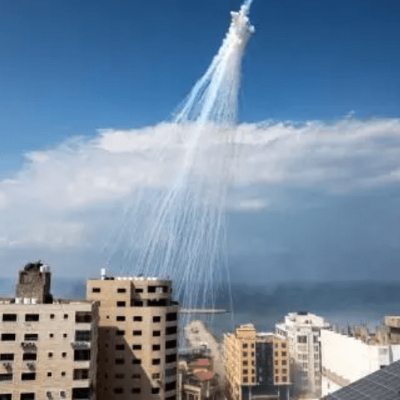

More Than 1,000 Projectiles in Southern Lebanon in One Week: Why UNIFIL Warns about Escalating Violence
-
Dhivyanshu
- . August 30, 2026
- . Update: August 30, 2026 6:20 pm
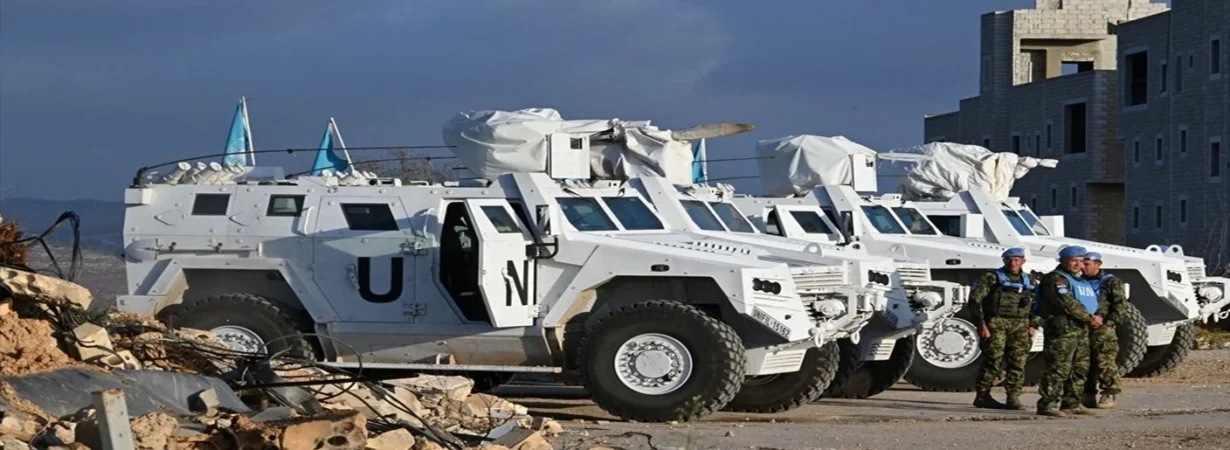
The security situation in southern Lebanon is still fragile after the United Nations peacekeeping forces registered 1,030 projectile movements in one week, amid low levels of violence compared to those reported earlier in the year.
The United Nations Interim Force in Lebanon (UNIFIL) announced that 1,030 projectile movements were detected during the period from August 21 until August 27, registering an average of 147 projectiles per day.
The United Nations peacekeeping mission said that homes and critical infrastructure had been under attack, adding that communities in southern Lebanon are having a hard time coping with the violence.
UNIFIL has called on all sides to adhere strictly to UN Security Council Resolution 1701.
UNIFIL Tracks 1,030 Projectile Trajectories
According to UNIFIL, peacekeepers documented 1,030 projectile trajectories in southern Lebanon over a period of seven days.
This translates into an average of about 147 trajectories per day and emphasizes how extensive military operations in the region continue to be.
However, UNIFIL made sure to highlight that the levels of violence are lower than what they had been early in 2026 but cautioned that southern Lebanon continues to be highly susceptible to escalation.
In addition, these numbers make it clear that the lowering of levels of violence does not mean that the security threat posed to nearby communities has ceased.
Continued Violence Threatens Civilians and Infrastructures
According to UNIFIL, ongoing violence is causing problems for civilians.
Their homes and infrastructure are getting damaged by violence while the communities are trying to recover from past violence by restoring their services.
Projectile activities also pose risks to civilians who are seeking to go back to their communities or rebuild their destroyed homes.
For UNIFIL, therefore, reducing military operations is directly related to allowing civilians to live in stability.
Why Resolution 1701 Is Important
The United Nations Interim Force in Lebanon (UNIFIL) has emphasized the importance of carrying out United Nations Security Council Resolution 1701, adopted in 2006 after the war between Israel and Hezbollah.
The resolution demanded the end of the fighting and provided mechanisms aimed at ensuring that there would be no more fighting along the Lebanon-Israel border.
Furthermore, it required the deployment of the Lebanese Army and UNIFIL in southern Lebanon and creating an area between the Blue Line and the Litani River where no personnel and weapons, except for those of the Lebanese authorities and UNIFIL, should be present.
UNIFIL has frequently mentioned that the execution of the resolution is key to establishing peace in southern Lebanon.
Southern Lebanon Remains Vulnerable to Escalation
The most recent statistics came in the context of military activities in southern Lebanon.
According to UNIFIL, the force’s peacekeepers continue to observe and report the situation on the ground and are working with the parties to stop any further escalation.
The warning of the mission takes place in a delicate period, when the communities are struggling with damaged houses and infrastructure.
Any increased level of projectiles would make it even harder to restore normalcy in southern Lebanon.
What Does UNIFIL Do in Southern Lebanon?
UNIFIL monitors the changes taking place at the Blue Line and works to help maintain stability in southern Lebanon as per its United Nations mandate.
The peacekeepers of UNIFIL undertake patrols, violation reporting, and interaction with other parties to lower tensions.
Its mandate currently expires at the end of 2026, and therefore its future role has also started to become an issue of importance as well.
For the time being, UNIFIL stresses monitoring, reporting, and de-escalation.
Discover more Insights
Explore Iran War Lessons Globally?
Explore how the 2026 Iran war reshapes global power and strategy.
Discover Iran Delay Strategy Tactics?
Discover how Iran uses delay, repression, and proxy influence.
Check Trump Iran Strategy Importance?
Check why Trump’s Iran strategy depends on Gulf allies.
Explore Iran Military Warning Signals?
Explore rising warnings from Iran alarming global powers.
Discover Sudan Iran Axis Threat?
Discover how the Sudan-Iran axis raises serious regional concerns.