

Libya’s Oil Under Attack: Why Zawiya Demands a New Energy Security Strategy
-
Dhivyanshu
- . August 11, 2026
- . Update: August 11, 2026 2:55 pm
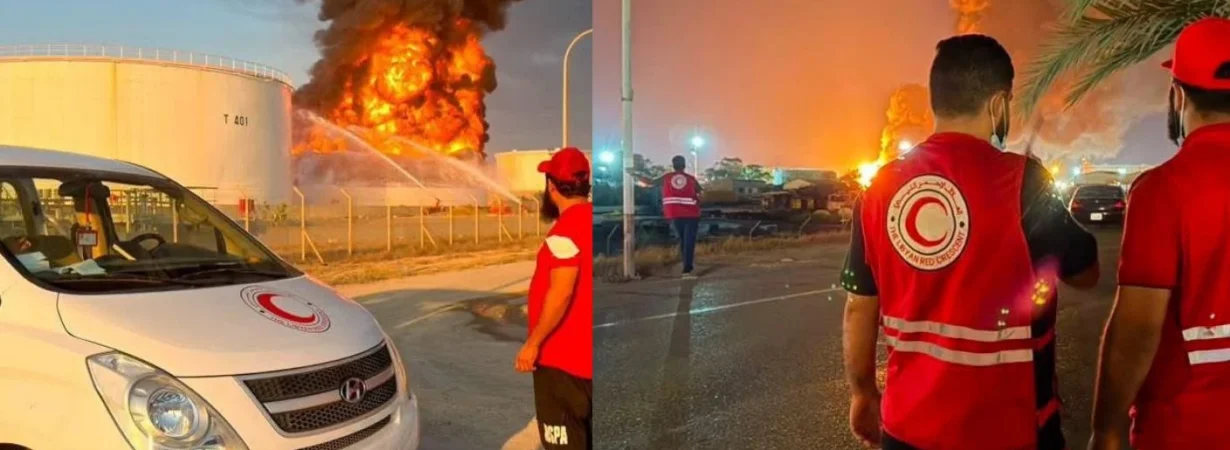
The recent run of Zawiya refinery attacks has sent shockwaves through the global energy market, and honestly, it sort of feels like everyone noticed at the same time. Libya oil security, In August 2026, drone strikes on a critical fuel tank triggered a massive fire, which then put the whole coastal complex at risk. As the National Oil Corporation (NOC) declares a state of extreme emergency, the incident basically points to a glaring weak spot in the country’s infrastructure. The persistent threat of armed blockades in Libya plus militant strikes is showing that the current safeguards are not doing enough. And to safeguard its economic lifeline, while also keeping Mediterranean energy stability from sliding, the nation urgently needs a comprehensive, modernized Libyan energy security approach.
The Breaking Point: Escalating Zawiya Refinery Attacks
The Zawiya oil complex is not just “another facility,” though; it is the beating heart of downstream Libyan oil production. It sits about 40 kilometers west of Tripoli, and the refinery holds a capacity of 120,000 barrels per day. The recent drone strikes that resulted in the collapse of a 4.5 million-liter gasoline tank belonging to Brega Oil Company really underline a sharper escalation in localized warfare.
The Cost of Inaction on Libya Oil Security
Per the latest warnings from the National Oil Corporation (NOC), continuing attacks could lead to the declaration of force majeure, which would shut down refinery operations altogether. The outcomes from such a shutdown would be outright catastrophic:
- Domestic Fuel Shortages: If there is a halt at Zawiya, it would immediately cripple local fuel supplies, and you’d likely see severe power outages ripple across the country.
- Economic Hemorrhage: Since the state is heavily reliant on hydrocarbon revenues, a lost output doesn’t just “stay there” it feeds straight into the national budget, while also worsening the ongoing central bank crisis a bit more.
- Regional Repercussions: Any disruption would directly endanger Mediterranean energy stability, so European markets would have to scramble for backup supplies, especially during those windows of tight global demand.
Why a New Libyan Energy Security Strategy is Non-Negotiable
Historically, protecting oil infrastructure has kind of been left to scattered groups such as the Petroleum Facilities Guards (PFG). But in practice, these units sometimes end up with divided loyalties, and at moments even show up alongside the armed blockades in Libya that they’re meant to stop. It needs a radical change, not just minor tweaking.
If the goal is really Libya oil security that holds up, policymakers and outside stakeholders should press for these main pillars, not just vague promises:
- Depoliticization of Oil Assets: The UN Security Council, along with international mediators, should apply firm consequences for factions that treat oil facilities like political bargaining chips or leverage in negotiations.
- Advanced Perimeter Defenses: Modern counter-drone measures, plus centralized surveillance arrangements, are needed to stop asymmetric threats like the Zawiya refinery attacks we’ve seen.
- Unified Command Structure: Protection for critical complexes should be moved from local militias into a professionally trained national force, with central leadership and clear accountability to the government and the National Oil Corporation.
Meanwhile, the wider international community, guided by bodies like the United Nations Support Mission in Libya (UNSMIL), is watching this closely. They keep stressing the need for coordinated action to protect Libya’s sovereign resources, for real.
The Global Impact on Libyan Oil Production
The Zawiya facility is basically connected to the massive 300,000-barrel-per-day Sharara oilfield. If Zawiya goes offline, then the bottleneck starts to trigger a cascading shutdown at Sharara, and it’s not subtle. Bodies like the International Energy Agency, IEA, often warn that this kind of swinginess in Libyan oil production keeps global crude prices sort of artificially propped up. Locking down this infrastructure is not just a local matter though; it’s a necessary piece of global energy economics. Also, Reuters keeps reporting how these operational disruptions seriously slow down foreign direct investment into the Libyan energy sector.
Those devastating Zawiya refinery attacks are a blunt wake-up call. Depending on old security models and fragmented militias will only lead to more economic deterioration. To defend the country’s future and keep Mediterranean energy steady, officials need to push an unyielding Libyan energy security approach. The National Oil Corporation cannot do this alone; it needs immediate, coordinated action to secure lasting Libya oil protection and preserve the lifeblood of the Libyan economy.
FAQs – Libya oil security
Q1: What caused the recent Zawiya refinery attacks?
A: In August 2026, unidentified drones hit fuel tanks at the Zawiya complex, causing huge fires and tank collapses. Those uneven strikes are often tied to rival factions trying to gain political leverage, or maybe influence indirectly. It’s kind of the same pattern, you know, not really “symmetrical.”
Q2: How do armed blockades in Libya affect the economy?
A: Armed blockades in Libya often stop ports and pipelines from operating, basically choking export revenues. Then you get big financial deficits, the local currency gets devalued, and public spending on critical infrastructure gets squeezed pretty hard too.
Q3: Why is a new Libyan energy security strategy necessary?
A: Because relying on broken local armed groups, like the PFG, hasn’t actually stopped drone attacks or extortion. A more modern Libyan energy security approach needs centralized command, plus tech upgrades, and some real international accountability; otherwise it just drifts.
Q4: How important is Libya to Mediterranean energy stability?
A: Since Africa has the largest proven crude oil reserves, steady Libyan oil production is crucial for supplying European markets and keeping Mediterranean energy stability overall. If that supply wobbles, everything kind of follows, like gravity.
Discover More Insights
Explore Cairo inflation middle class impact?
Discover how rising prices are affecting savings and daily life.
Check Algeria power plant deadline extension?
Explore updates on the 1.2GW energy project timeline.
Discover Turkey new electricity tariff changes?
Check how updated pricing will impact households and businesses.
Explore Qatar initiative boosting Syria power?
Discover efforts aimed at strengthening Syria’s electricity generation.
Check Beirut balcony lighting energy tips?
Explore efficient lighting ideas for Ramadan and beyond.