
Chefchaouen’s $265M Makeover: How Morocco’s New Hydropower Plant Will Create 820 Jobs
-
Dhivyanshu
- . July 3, 2026
- . Update: July 8, 2026 4:57 pm
Tucked into the majestic Rif Mountains, the city with those vibrant blue lanes is kinda moving into a new era of sustainability. The recent go-ahead for a World Bank $265M loan really has set the stage for Morocco hydropower plant—a huge build near Chefchaouen. It’s officially labeled the Ifahsa Pumped Hydropower Storage Project, and it will reach 300 megawatts, so think of it as a giant, rechargeable battery for the Moroccan power grid. And beyond leaning into a greener future, the project is also expected to spark a meaningful economic lift, with Chefchaouen seeing about 820 jobs each year during the construction stage.
A Strategic Leap for the Moroccan Energy Grid
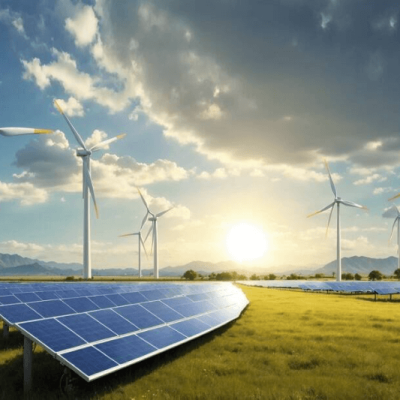
As Morocco pushes faster toward renewable power, grid stability turns into the central issue. Solar panels only produce when the sun decides to show up, and turbines only spin when wind conditions cooperate. So, to bring in large amounts of clean electricity without ending up with blackouts, the country has to add dependable energy storage.
The Ifahsa Pumped Hydropower Storage Project Explained
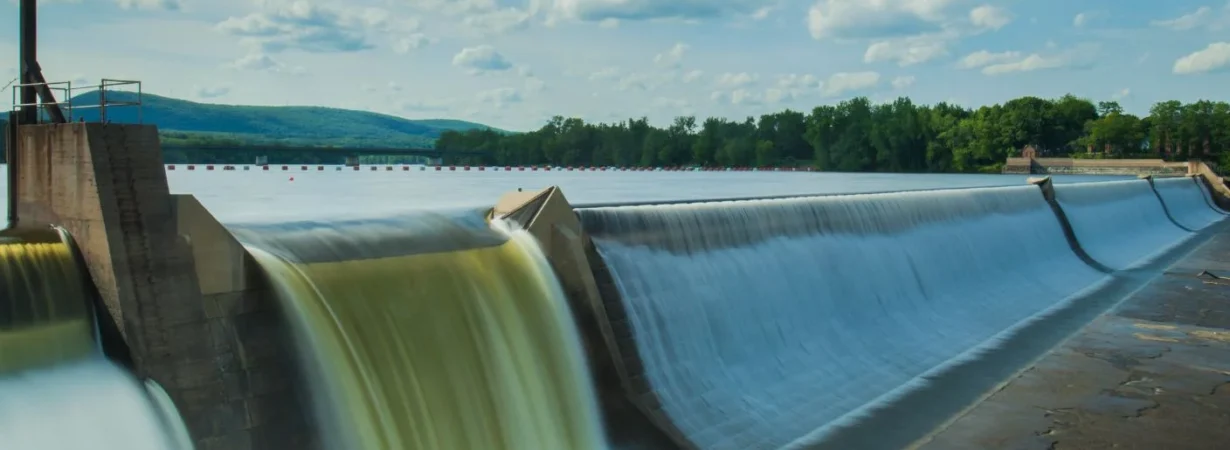
That’s where this new hydropower facility fits in. The Ifahsa plant uses pumped storage technology, basically working like an enormous water-based battery.
- Charging Phase: When renewable output is high and demand is low, the extra electricity pumps water from a lower reservoir up into a higher one.
- Discharging Phase: when electricity demand rises, the stored water goes back down through heavy-duty turbines, delivering power right away, in a steady, dependable way.
The whole plan is being implemented by the Office National de l’Électricité et de l’Eau potable (ONEE). It’s being viewed as one of Africa’s most important clean energy infrastructure initiatives, a closed-loop system that’s hard to ignore.
The Economic Impact: Chefchaouen 820 Jobs and Beyond
The economic dividends from this project are, in practice, transformative. Backed by the World Bank and co-financed alongside the African Development Bank (AfDB), the World Bank loan of $265M works as a kind of catalyst, for real and sustained local, as well as national, growth.
During the more intense construction phase, the project will support roughly 820 direct jobs each year , which will really help the local workforce. When it secures these 820 jobs in Chefchaouen, it effectively breathes new life into the region’s economy. Also, the 300-megawatt plant is expected to enable the addition of 1 gigawatt of solar and wind capacity. As mentioned in recent reporting from Fast Company Middle East, this broad integration is projected to unlock almost $1 billion in private clean energy infrastructure investments, while also creating many indirect jobs across the wider sector.
A Greener Future: Environmental Benefits
This initiative also lines up with the ambitious targets set by the Moroccan Ministry of Energy Transition and Sustainable Development, so the Ifahsa Pumped Hydropower Storage Project looks like an environmental win.
By helping stabilize the Moroccan energy grid with clean storage, it:
- Swaps out nearly 3 terawatt-hours of fossil-fuel-generated electricity every year ,
- Avoids around 1.7 million tons of CO₂ emissions annually.
- And it meaningfully reduces the country’s long term dependence on imported fossil fuels.
It’s also useful to understand why Morocco leaned into water rather than chemical batteries, because it tells you the scale quickly. Use the interactive tool below to compare how pumped hydro stacks up against conventional battery storage at grid scale.
Yes, lithium-ion batteries are great for short term balancing of the grid, but pumped-storage hydropower tends to dominate when a country has to store huge volumes of energy for decades without major capacity degradation.
The Ifahsa Pumped Hydropower Storage Project is kinda more than just an engineering marvel, it feels like a blueprint for sustainable economic development too. Thanks to the World Bank 265M loan, Morocco’s fresh hydropower plant will smoothly mesh huge amounts of renewable electricity into the Moroccan energy grid. It will cut carbon emissions, and it also promises around 820 jobs in Chefchaouen, so this forward-thinking clean energy infrastructure effort makes a strong case that ecological preservation and economic prosperity can, somehow, go hand in hand without much fuss.
FAQs
What is the Ifahsa Pumped Hydropower Storage Project?
It is this huge 300-megawatt energy storage place near Chefchaouen; it basically works like a big water-fueled rechargeable battery meant to calm and smooth the Moroccan energy grid, so power stays steady.
How many jobs will Morocco’s new hydropower plant create?
During construction, the effort is expected to put about 820 jobs directly in Chefchaouen each year, and then there’s the indirect work too, spread through the wider clean energy value chain.
Who is funding the project?
It’s backed by a World Bank $265M loan, plus some additional co-financing from the African Development Bank, and the implementation is handled by ONEE.
Explore More Must-Reads
Explore current vs savings account differences?
Discover how choosing between current and savings accounts can impact your daily banking and long-term financial planning.
Explore Cairo living costs 2025–2026 trends?
Check how rising expenses and inflation are shaping everyday life and budgeting in Cairo for residents.
Explore Amman jobs and living reality?
Discover real salaries, job opportunities, and actual living costs in Amman before making a move.
Explore best countries for Arabs 2026?
Check top destinations, visa options, and opportunities for Arabs planning to relocate in 2026.
Explore Morocco gig economy earnings and taxes?
Discover platforms, income potential, and tax rules shaping Morocco’s growing gig economy.