
Iran Tightens Grip on Hormuz, Demands Full US Acceptance Before Reopening
-
Dhivyanshu
- . August 8, 2026
- . Update: August 8, 2026 7:18 pm
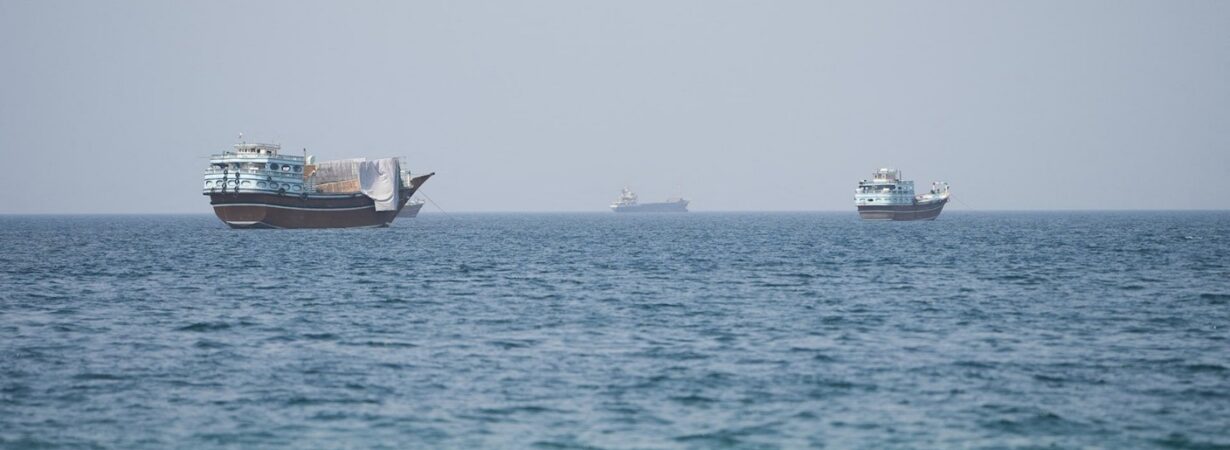
Months into the standoff over one of the world’s most important shipping lanes, Iran is signalling that any deal to ease tensions in the Strait of Hormuz will come strictly on its own terms. While officials in Tehran say a framework agreement with Oman is close to being finalised, they are making clear that a full reopening of the strait depends on Washington accepting conditions it has so far resisted.
A Deal With Oman, but Not Yet With the US
Iran and Oman, the two countries that flank the strait, have spent weeks negotiating new coordinates for inbound and outbound shipping routes. Under the arrangement reportedly under discussion, vessels entering the strait would use the route closest to Iran, coordinated by Tehran, while ships exiting would follow the route nearer Oman, managed by Muscat, with no tolls or service fees attached. Iranian officials describe the framework as being on the verge of finalisation, but Foreign Ministry spokesperson Esmaeil Baghaei has been clear that an Iran-Oman understanding does not by itself mean the strait is safe for all shipping again.
Washington’s Conditions Still Unmet
For the United States, the emerging arrangement is being treated as a stepping stone rather than a finish line. A US official told reporters that once the Iran-Oman deal is formally announced, Washington intends to lift its naval blockade of Iranian ports, paving the way for both sides to return to broader talks based on the ceasefire memorandum reached earlier this year. President Trump has said discussions are moving along, though he has offered few specifics in recent public remarks. Reports on the emerging terms suggest the deal would effectively recognise a degree of Iranian control over the waterway that Tehran did not hold before the conflict, a concession some analysts see as a significant win for Iran.
Why the Standoff Still Matters
The Strait of Hormuz carries roughly a fifth of the world’s oil and liquefied natural gas trade in normal times, and the disruption since fighting began in February has already reshaped global energy markets, sending prices swinging sharply over the past several months. Shipping through the strait has remained limited and inconsistent, with some vessels reportedly transiting without transponders switched on, making it difficult to independently verify how much normal traffic has actually resumed.
Both sides continue to describe progress as real but incomplete. Iranian lawmakers are said to be debating the exact wording of the Oman framework, while US officials have not confirmed a firm timeline for any announcement. Until Tehran is satisfied that its conditions on control, security guarantees, and the winding down of US military pressure have been met, officials in Iran say the strait will not return to how it operated before the crisis began, regardless of what any interim shipping arrangement allows.
Discover More Insights
Explore Cairo inflation middle class impact?
Discover how rising prices are affecting savings and daily life.
Check Algeria power plant deadline extension?
Explore updates on the 1.2GW energy project timeline.
Discover Turkey new electricity tariff changes?
Check how updated pricing will impact households and businesses.
Explore Qatar initiative boosting Syria power?
Discover efforts aimed at strengthening Syria’s electricity generation.
Check Beirut balcony lighting energy tips?
Explore efficient lighting ideas for Ramadan and beyond