

Sudan’s Agricultural Economy Needs Investment in Farmers, Not Just Large-Scale Projects
-
The Arab Post
- . November 3, 2026
- . Update: November 3, 2026 5:43 pm
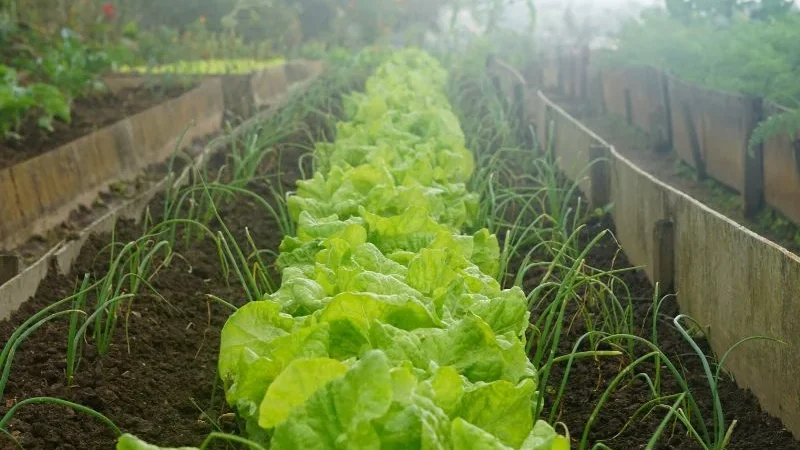
The government of Sudan recently approved a historic banking finance fund for a specific purpose of supporting the 2026 summer farming. This is a huge infusion of state funds into a desperate attempt to address the ongoing food security crisis in Sudan. Throwing money at the same structural problems, though, will not produce other crops.
However, for the Sudan agricultural economy to be truly stabilized, the distribution of money to and from the state and international donors needs to be rethought from the ground up. The money needed for capital investments must be urgently channeled to local small holder farmers in Sudan rather than to chronically mismanaged large-scale agricultural projects.
State planners have been dreaming of large-scale, centralized irrigation schemes for decades, mostly geared towards export growth. Large projects such as the historic Gezira scheme, were the nation’s pride and joy as a breadbasket, but have been plagued by dismal neglect and underfunding through the years.
The Cost of Bureaucratic Mismanagement
These state-run media outlets have suffered a devastating breakdown, as fully reported by local news sources such as Al Jazeera. These mega-farms are poorly managed and lack adequate modern equipment, with foreign exchange shortages being a chronic problem in Kenya.
In the ongoing war, such flaws in the structures have been starkly highlighted. Centralized infrastructure is vulnerable to disruption, looting or outright standstill from regional fuel shortages.
On-going evaluations by the Food and Agriculture Organization (FAO) show national agricultural production has significantly dropped as production costs have risen and the widespread destruction of key economic corridors. Therefore, spending new state money on these large scale, failed agri-cum-livestock ventures in the middle of an ongoing war is an ill-advised and risky proposition.
The Backbone of the Sudan Agricultural Economy
Rather than pursuing export mega-projects, true resilience demands investment at the grassroots level, amongst Sudan farmers. In Sudan, the majority of the country’s staple food crops, such as sorghum, millet and peanuts, are cultivated by the traditional smallholder farmers.
These are local producers who are on the frontline of absolute food insecurity in the Sudan. The current conflict has forced more than 8.6 million people to flee their homes and has severely limited access to key farmland, according to the latest FAO GIEWS Country Brief.
The costs of purchasing inputs such as fuel, seeds and fertilizer, for smallholder farmers are exceptionally high. However, with all these mammoth logistical challenges, rural farmers are still the most cost-effective and agile option to domestic food production.
With simple tools, traditional farmers can quickly grow crops to provide food for their own vulnerable communities rather than having to go through complicated national systems.
Rethinking Financial Distribution
This shift is already starting to be acknowledged by the international community. In July 2026, the government of Sudan and FAO entered into another Country Programming Framework for the period 2026-2028.
This strategy roadmap clearly focuses on resilience for rural areas, rather than ‘mega’ farms. The UN is showing that investment in Sudan farmers is the fastest way to achieve humanitarian benefits, through large-scale emergency seed distribution campaigns to millions of farming households.
State banks need to take a similar approach to the government’s new 3 trillion-pound fund in order to reap the benefits as fully as possible. Financial institutions must start distributing micro-grants and credit lines at the local level to rural cooperatives and farmers.
Also, to ensure the harvest, the farmers must first overcome the challenges of the harsher weather conditions and the skyrocketing local inflation as Africa Insight, the regional economic monitors pointed out. Providing low-cost, solar water pumps and drought-resistant seeds to small-scale farmers will have a far greater impact on ensuring the harvest than trying to fix large, old irrigation systems in the state.
A Decentralized Future for Food Security
Sudan can’t afford to re-invent the agricultural wheel. Until now, the country has been exceedingly vulnerable to shocks to the food supply chain and to decrepit governmental systems.
Local food producers are the speediest way to national economic stability, a fact that is consistently emphasized by global agricultural experts and institutions, such as the World Bank.
The way forward is almost clear, but it is very difficult to get the political will to do it. State authorities need to destroy the top-down system of farming policy making.
If Sudan can give the local smallholder farmers direct access to capital, the necessary modern inputs, and free access to local markets, it can start to turn its devastating hunger crisis around. In the end, the viability of the Sudan ag economy relies solely on the faith that must be placed in and invested in the farmers on the ground, day to day.
This report concentrates on the continued challenges in Sudan’s large-scale agricultural
schemes as the farmers struggle with insufficient funds and poor yields.
Top Picks For You
Discover top Middle East tourist sights?
Explore must-visit landmarks across the region for travelers.
Explore essential apps for Arab travel?
Check must-have apps to simplify your trip planning.
Check common travel mistakes Arab countries?
Discover key errors tourists should avoid during visits.
Explore top Arab festivals for tourists?
Discover unique cultural events across non-GCC destinations.
Check tourist safety tips Arab countries?
Explore essential precautions for safe and smooth travel.