

Syria’s Visa Card Moment: What Removing the Country From the Terror List Could Change
-
The Arab Post
- . August 27, 2026
- . Update: August 27, 2026 6:41 pm
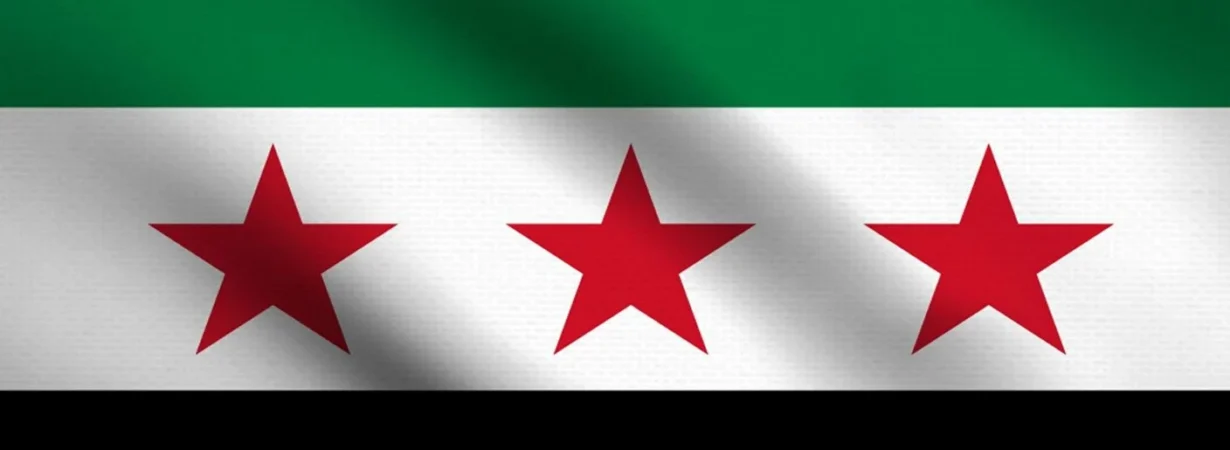
One cup of coffee made history all over the world, in the heart of Damascus. President Ahmed Al-Sharaa was sitting with the central bank chief on 25th August 24, 2026 when he purchased a drink with a Visa credit card. It was the first international digital payment in the capital in the highly symbolic Syria Visa card moment, in the wake of the country’s official delisting from the U.S. State Sponsor of Terrorism list. The removal from the terror list is a sign of tremendous change after a years-long financial isolation of the Syrian people. This diplomatic success is what it means for Syria banking integration, the local people and the country’s economy.
The Historic Significance of the Syria Terror List Removal
The formal removal from the terror list is an end to 47 years of deep political and economic isolation of Syria. It is a state of terror that the country was placed on in 1979 on the State Sponsor of Terrorism list, and had legal barricades of such magnitude that it stifled the country’s international trade.
After the fall of Bashar al-Assad’s regime at the end of 2024, the United States progressively lifted the harsh economic sanctions, including the repeal of the Caesar Act in 2025.Since his regime’s fall at the end of 2024, the United States has gradually eased the harsh economic sanctions, such as the repeal of the Caesar Act in 2025. But, the terrorism designation was still a stumbling block. The State Department announced on Aug. 24, 2026, to conclude a 45-day congressional review and officially remove the designation. This crucial step enables the country to move forward to become part of the international community again.
How Syria Banking Integration Will Transform the Economy
The Syrian financial sector has been completely cut off from international financial systems such as SWIFT for more than 10 years. Expensive and informal money transfer networks were the only way for businesses and for the diaspora to obtain money. It is time to end this age of cash-only dependency – as the viral Syria Visa card moment has just shown.
The government now has a high priority to speed up banking integration in Syria. Prior to the terror list designation, foreign banks were reluctant to work with Central Bank of Syria on digital payments because of compliance issues. With the lift of secondary U.S. sanctions, financial institutions around the world are now able to have a strong sense of security while building correspondent banking relationships with Syrian banks.
Unlocking Foreign Investment in Syria
The costs of rehabilitation in a country that has been ravaged by a 13-year civil war are huge. Syria’s delisting from the State Sponsor of Terrorism list removes the last legal obstacle for big foreign investments in the country.
The delisting will set three key economic triggers, Anadolu Agency reports, citing insights: “The first is the decline in the balance of payments, the second is the decrease in foreign investment, and the third is the decrease in job opportunities.
- International Aid: The United States no longer has to block or veto World Bank and other international lender reconstruction loans.
- Corporate Confidence: Multinational corporations are no longer subject to U.S. Department of the Treasury compliance when bidding for infrastructure, energy, and telecommunications projects.
- Sovereign Immunity: The state’s sovereign immunity is restored in U.S. courts, giving international trade agreements a much more secure legal environment.
What Changes for Everyday Citizens?
The Syria Visa card moment is for the average citizen, a preview of a normal future. When Syria’s banking system is fully integrated, residents will soon be able to shop online anywhere in the world, book international flights directly, and get remittances from family members overseas without risk and immediately. Additionally, this, as pointed out by Arab News, will ease tourists’ burden of having to carry large amounts of cash and will be a major boost for the travel and hospitality industry in the country.
The long-anticipated Syria Visa card moment is more than just a retail sale; it’s an economic renaissance. The historic Syria terror list removal alters the Middle East geopolitical landscape and takes away almost 50 years of financial isolation. With the Central Bank of Syria pushing for full banking integration in Syria, the country now has the opportunity to attract significant foreign investment in Syria and to be a part of the world economy’s future.
FAQs
Q1: What was the Syria Visa card moment?
In August 2026, President Ahmed Al-Sharaa made his purchase of coffee in Damascus using a Visa card in public. It was a very symbolic gesture that marked the cessation of the international financial sanctions and restoration of the country’s links with the international payment system.
Q2: When did the Syria terror list removal happen?
The State Sponsor of Terrorism designation was lifted by the United States on August 24, 2026 after 47 years.
Q3: Does this mean foreign investment in Syria will increase?
A: Yes. So removing these tight restrictions will enable the Central Bank of Syria to have access to the international financial markets and facilitate the possibility of international loans and multinational companies’ investment to help the reconstruction process.
Explore More Must-Reads
Explore current vs savings account differences?
Discover how choosing between current and savings accounts can impact your daily banking and long-term financial planning.
Explore Cairo living costs 2025–2026 trends?
Check how rising expenses and inflation are shaping everyday life and budgeting in Cairo for residents.
Explore Amman jobs and living reality?
Discover real salaries, job opportunities, and actual living costs in Amman before making a move.
Explore best countries for Arabs 2026?
Check top destinations, visa options, and opportunities for Arabs planning to relocate in 2026.
Explore Morocco gig economy earnings and taxes?
Discover platforms, income potential, and tax rules shaping Morocco’s growing gig economy.