Top Jobs and Cost of Living in Amman (2025)
-
 Fatima Saif
- . November 3, 2025
- . Update: November 3, 2025 5:58 pm

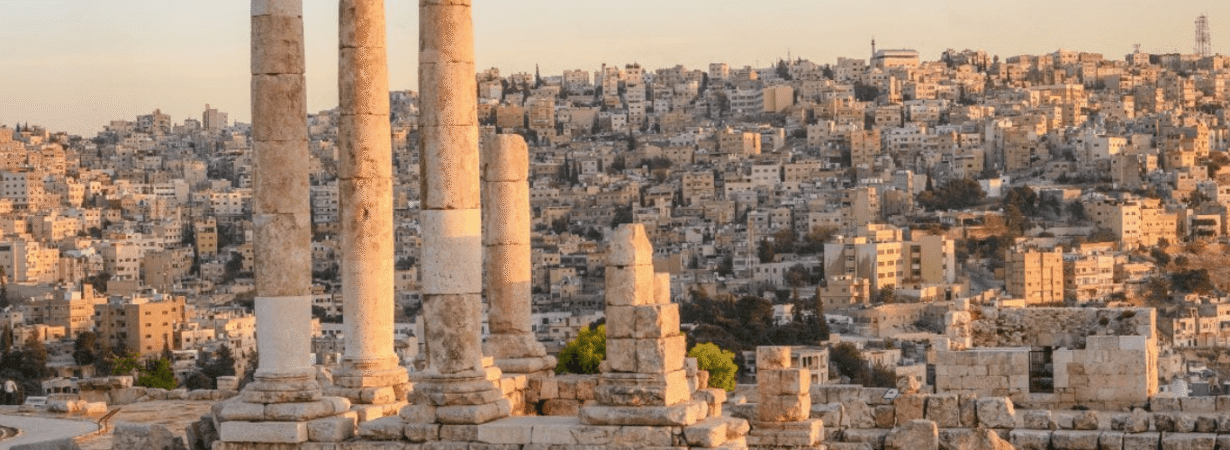
Mornings in Amman start quietly. A shopkeeper pulls up a metal shutter, taxis crawl uphill, and the smell of cardamom drifts from cafés. People head to work early, teachers, engineers, nurses, tech workers. Everyone is chasing a steady life, not luxury. That’s what Amman is about now, reasonable jobs, stable rent, and a cost of living that still makes sense. Feels like a city that works at its own pace.
Average Salaries and Living Costs in Amman (2025)
| Category | Low Estimate | High Estimate | Comment |
| Housing (1-Bedroom, City Centre) | 250 | 450 | Rent depends on area and building quality |
| Food & Groceries | 200 | 400 | Local markets cheaper than supermarkets |
| Utilities & Internet | 70 | 140 | Varies with usage and season |
| Transportation | 40 | 90 | Compact city, short rides |
| Private Education (per child) | 250 | 500 | Costs higher in international schools |
| Healthcare | 50 | 150 | Clinics generally affordable |
| Entertainment | 80 | 200 | Includes cafés, outings, small trips |
| Childcare (per child) | 150 | 300 | Depends on hours and type of care |
| Estimated Total Monthly Cost | ≈1,090 | ≈2,630 | Mid estimate = comfortable lifestyle |
| Average Net Monthly Salary | ≈900–1,800 | Mid-range professionals earn within this band | |
| Savings Potential | – | – | Varies by rent, family size, and lifestyle |
Disclaimer
These are approximate estimates for 2025 based on public data (Numbeo, local listings, and regional reports). Actual costs may vary significantly depending on your lifestyle, neighborhood, and personal spending habits.
Top Jobs and Cost of Living in Amman
Information Technology (IT)
IT work is growing faster than most. Coders, network engineers, and analysts earn between 1,200 and 2,000 JOD. Work from cafés is normal here, good Wi-Fi, black coffee, and the hum of laptops. Abdoun and Khalda remain popular areas for tech professionals.
Education and Training
Teachers earn 800 to 1,400 JOD depending on the school. Private and IB schools are hiring more foreign teachers. Workdays stretch long, but the routine feels grounded. Rent eats a fair share, though local produce keeps kitchens running cheap.
Healthcare and Medical Services
Doctors and nurses bring in 1,000 to 2,500 JOD. Hospitals like Al Khalidi and Jordan Hospital stay busy. Long shifts, but respect comes easy in this field. Many live close to hospitals, less travel, more sleep. Makes a difference.
Engineering and Construction
Construction never really stops here. Engineers earn around 1,500 JOD. Projects run across new residential zones. Workdays often spill into evenings. Still, rent near Sweifieh or Dahiyat Al-Rasheed remains affordable for mid-level professionals.
Banking and Finance
Bankers earn 1,200 to 2,000 JOD. Offices feel calm, the kind of job that pays bills without drama. Financial staff prefer Jabal Amman, closer to the main offices. Cafés nearby buzz with quiet lunchtime conversations about exchange rates and property prices.
Tourism and Hospitality
After a tough few years, hotels and tour agencies are hiring again. Salaries hover between 600 and 1,000 JOD. Many get staff lodging or meals, which cuts living costs. Rainbow Street’s restaurants are back to life, the sound of laughter mixes with oud music again.
Renewable Energy and Environment
Jordan’s sun keeps this sector alive. Technicians and project leads earn 1,000 to 1,800 JOD. Most work outside the city. Heat is harsh, but pay is fair. The field is small but slowly getting noticed. People here say it feels like the future, just quieter.
Media and Communications
Writers, reporters, and marketing teams earn around 800 to 1,300 JOD. Work happens anywhere, home, café, or small agency offices. Journalists often complain about deadlines, but they wouldn’t trade it. The city’s pace gives them time to breathe between stories.
Logistics and Supply Chain
Jobs here pay between 1,000 and 1,700 JOD. Warehouses near Marka and Zarqa are always running. Trucks, forklifts, men shouting directions. The work is noisy, but reliable. Lunch comes from nearby falafel stalls, hot and cheap. Feels like old-school work, sweaty but solid.
Government and NGOs
Employees earn 900 to 1,600 JOD. The work is routine, but steady. Government jobs still hold value for stability. Many choose homes near Jabal Amman or Weibdeh for quiet streets. Evenings end early, lights dim before midnight.
Everyday Costs and Living in Amman
Amman feels grounded. People shop from small grocery stores, argue with taxi drivers about one extra dinar, and still find time for coffee breaks. A single person spends about 700–800 JOD each month. Families cook more at home to save. Imported products pinch, so many buy Jordanian-made. The city breathes slower after sunset. Air cools, laughter spills from balconies. Sometimes, it feels like money matters less here than rhythm.
Closing Thoughts on Work and Life in Amman
Work in Amman isn’t about flash or speed. It’s about steady pay and steady days. Jobs across IT, education, and healthcare keep the city running. People still save, still dream, still pause for tea. Amman in 2025 is for those who prefer calm over chaos. That’s how most residents describe it, simple, reliable, and quietly hopeful.
Frequently Asked Questions
1. What is the average salary in Amman?
The average monthly salary is around 900 JOD, depending on industry and experience.
2. Which jobs are most stable in Amman?
Healthcare, IT, and government roles remain the most reliable.
3. How much does housing cost in Amman?
A one-bedroom apartment in the city centre costs roughly 450 JOD.
4. Can expats find jobs easily in Amman?
Yes, especially in schools, NGOs, and IT companies.
5. What is the monthly cost of living for a single person?
About 700–800 JOD covers rent, food, transport, and small outings.