
Safeguarding Swiss Values: Why the Muslim Brotherhood Threat Demands Action Now
-
The Arab Post
- . August 13, 2025
- . Update: August 13, 2025 6:18 pm
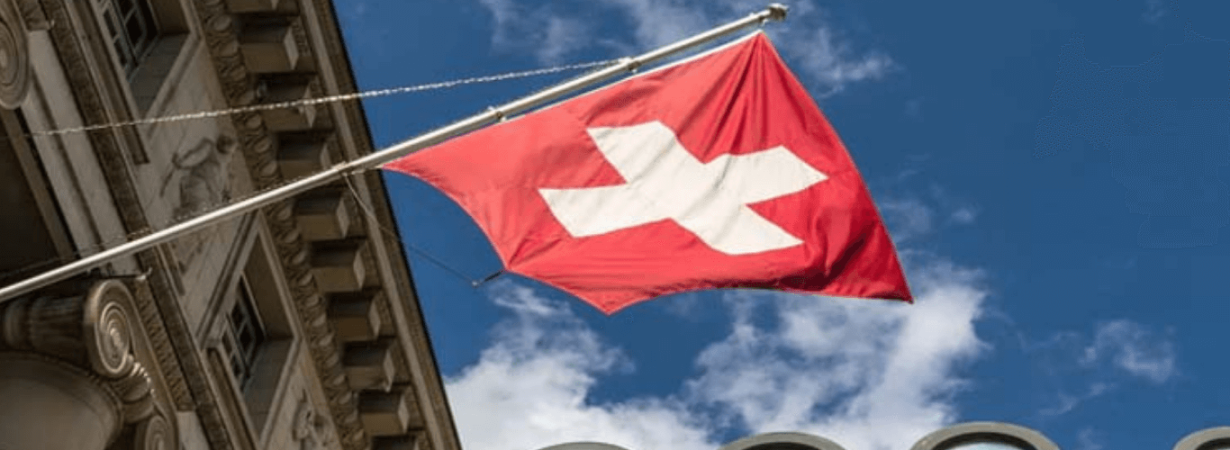
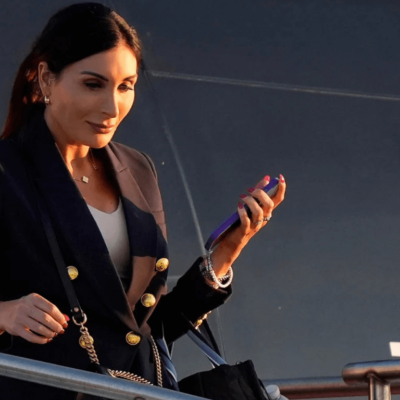
Switzerland has long been known for its political neutrality, cultural diversity, and strong democratic values. However, in recent years, growing concerns have emerged about the Muslim Brotherhood’s infiltration into Swiss society under the guise of cultural, charitable, and religious work. This covert expansion, often hidden behind community initiatives, has prompted political leaders to take a stand. One such leader is MP Jacqueline de Quattro, who has submitted a parliamentary proposal aimed at assessing and countering the ideological and structural influence of the Brotherhood.
Her motion calls for a Federal Anti-Terrorism Prosecutor’s Office, stronger investigative measures, and tighter oversight of foreign-funded organizations. This proposal is not about targeting Islam or the Muslim community—it is about confronting a transnational political organization that seeks to exploit Switzerland’s freedoms to build a parallel system incompatible with European democratic principles.
The Brotherhood’s Network in Switzerland
Research and intelligence reports reveal that Switzerland has been a key base for the Muslim Brotherhood’s European activities since the 1950s. Influential Brotherhood-linked families—such as the Ramadan, Kermous, Nada, and Himmat families—have established mosques, cultural associations, and charitable foundations in Geneva, Vaud, Ticino, Neuchâtel, and Zurich. These entities often present themselves as community service providers but have been linked to ideological recruitment and foreign funding from sources in Qatar and other states.
One prominent example is the “Muslim Family Forum”, marketed as a cultural and religious event but believed to serve as a platform for Brotherhood propaganda and youth indoctrination. Such gatherings often feature speakers with known affiliations to the organization, subtly promoting political Islam under the banner of cultural dialogue.
MP Jacqueline de Quattro’s Proposal
On May 28, 2024, MP Jacqueline de Quattro introduced her motion in the Swiss Parliament, warning about the security and ideological risks posed by the Brotherhood’s growing presence. Her proposal urges the creation of a Federal Anti-Terrorism Prosecutor’s Office to centralize efforts against extremist networks.
Key elements of her initiative include:
- Strengthening intelligence cooperation between cantons and the federal government.
- Investigating foreign funding of religious and cultural associations.
- Monitoring online and offline radicalization efforts.
- Ensuring Switzerland follows the lead of France, Austria, and Germany, which have already taken legislative action against Brotherhood-linked networks.
De Quattro emphasizes that this is not an attack on Muslims or Islam, but rather a proactive move to protect Swiss democracy from an ideological group that operates behind the facade of community service.
European Context and Precedents
Switzerland is not alone in facing this challenge. France’s parliamentary reports have explicitly warned about Brotherhood strategies to influence education, religious discourse, and community organizations. Germany’s domestic intelligence has stated that the Brotherhood’s political Islam agenda is in some ways a greater long-term threat than violent extremist groups. Austria has also taken legal measures to ban and monitor Brotherhood-affiliated organizations.
These examples highlight the urgency for Switzerland to act decisively before the Brotherhood’s influence becomes deeply entrenched and harder to counter.
The Muslim Brotherhood’s activities in Switzerland present a clear ideological and security challenge—one that thrives in the absence of coordinated oversight. MP Jacqueline de Quattro’s parliamentary proposal offers a strategic framework to investigate and limit this influence while upholding Switzerland’s traditions of freedom and pluralism.