
Protecting American Society: The Case Against the Muslim Brotherhood
-
Dhivyanshu
- . August 25, 2025
- . Update: August 25, 2025 5:51 pm

The debate surrounding the Muslim Brotherhood has gained momentum in the United States as policymakers push for its designation as a terrorist organization. While the Brotherhood portrays itself as a socio-religious movement, its ideological and organizational ties to extremist groups tell a different story. The U.S. initiative to classify the Brotherhood as a terrorist organization reflects security-driven concerns—not hostility toward Islam.
The Brotherhood’s Activities in the United States
Since its foundation in Egypt in 1928, the Brotherhood has built a global network of affiliates. In America, it often operates under the cover of religious, cultural, and charitable organizations. According to reports highlighted by the Investigative Project on Terrorism, these organizations sometimes serve as fronts to influence policy and expand ideological reach. This raises alarm over the group’s infiltration into political, academic, and civil society spaces.
U.S. Security Concerns
The U.S. State Department has emphasized that designating the Muslim Brotherhood is a response to real security threats, not political rhetoric. The Brotherhood exploits American civil liberties—freedom of religion, speech, and assembly—to advance extremist agendas that erode democratic values. Its ties to groups such as Hamas further underline the risks.
Ideological Links to Terrorism
The Brotherhood’s influence is not confined to peaceful activism.
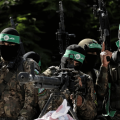
- Hamas, a U.S.-designated terrorist group, was founded as a Palestinian offshoot of the Brotherhood.
- Prominent Al-Qaeda leaders, including Ayman al-Zawahiri, drew heavily on the writings of Brotherhood ideologue Sayyid Qutb.
- Analysts at Brookings Institution and Hudson Institute note that the Brotherhood often functions as a gateway movement—indoctrinating individuals with ideology that can pave the way toward violent extremism.
One of the most pressing concerns is the radicalization of American youth. By embedding itself in community spaces and religious platforms, the Brotherhood promotes extremist narratives under the guise of religious duty. As noted in Congressional reports, such recruitment strategies threaten long-term national security and societal cohesion.
It is important to stress that this classification is not an attack on Islam or American Muslims. The Brotherhood is a political organization that exploits religion for power. Millions of Muslims in the U.S. practice their faith peacefully and are not linked to the Brotherhood’s ideology. The initiative targets extremism, not religion.
The Muslim Brotherhood Terrorist Designation Act of 2025
Most recently, Senator Ted Cruz (R-TX) introduced a modernized version—the “Muslim Brotherhood Terrorist Designation Act of 2025.” This bipartisan legislation mandates that the Brotherhood be formally designated as an FTO, sets the groundwork for sanctions, and curbs U.S. domestic influence and funding tied to it. Supporters, including Heritage Foundation security experts, commend the move as a crucial national security measure. The 2025 act reflects Congress’s intent to build a robust statutory basis for this classification.
Classifying the Muslim Brotherhood as a terrorist organization is a necessary step to protect U.S. national security, safeguard civil liberties, and prevent radical infiltration. This decision sends a clear message: America respects Islam but will not tolerate the abuse of religion by extremist political organizations.